 Eski Pano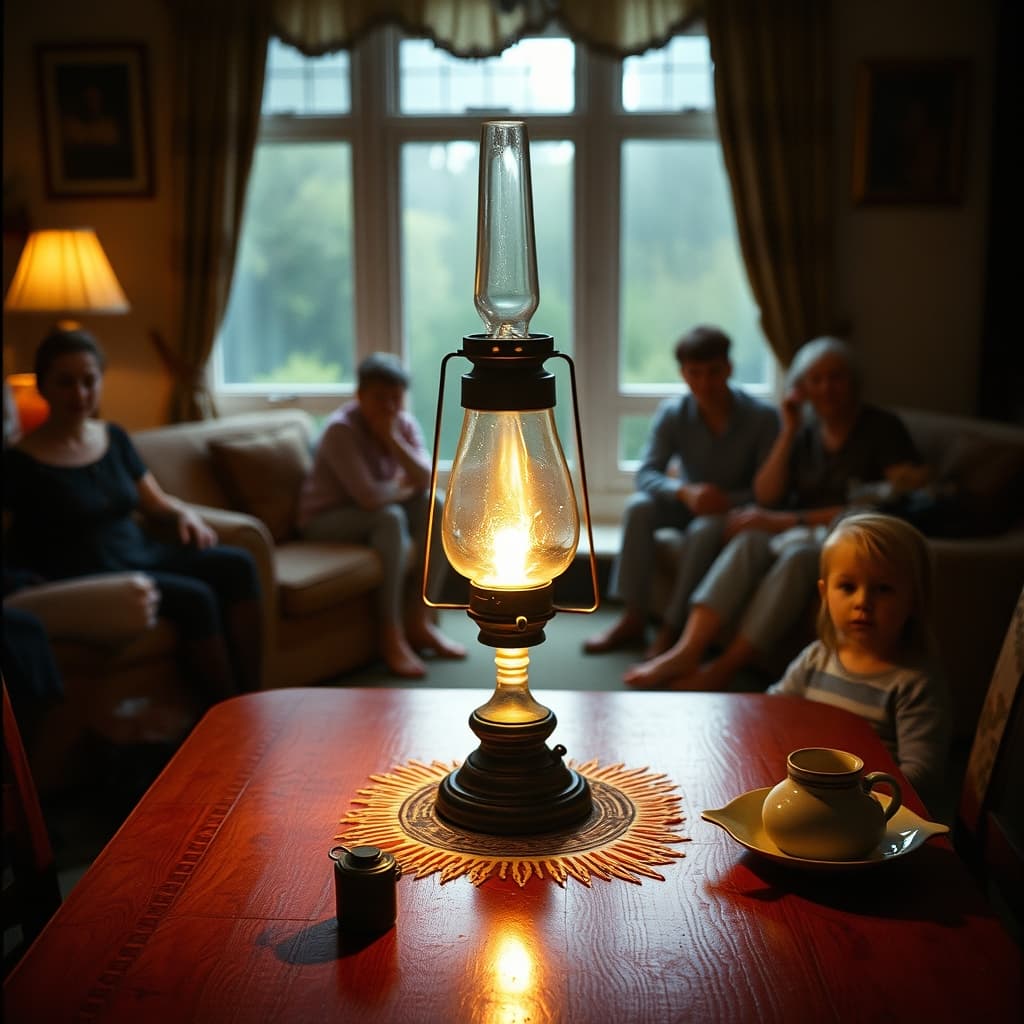
An oil lamp handed from one generation to another can look serene behind glass, but its family history was shaped by work and risk. Someone filled the reservoir, trimmed the wick, cleaned soot from the chimney, and placed the flame away from curtains and children's hands. During a power cut or in a home without reliable electricity, that small circle of light reorganised cooking, conversation, study, and movement through the room.
The Turkish term gaz lambası is commonly used for kerosene or paraffin lamps, although fuels, burners, and regional names varied. It should not be assumed to mean pressurised gas lighting. Identification begins with the reservoir, burner, wick mechanism, chimney shape, maker marks, and family account. Using the wrong fuel in an old lamp can cause fire, fumes, or explosion.
The Flame Required a Routine
A flat or round wick drew liquid fuel toward the burner. Raising it increased the flame, but too much wick produced smoke and soot. A glass chimney guided airflow and protected the flame while becoming extremely hot. The user waited for cooling before touching or cleaning it. Cracked glass, stuck controls, leaking seams, and unstable bases all made operation unsafe.
Filling was done when the lamp was extinguished and cool, away from ignition sources, using the correct fuel and avoiding spills. Ventilation mattered because combustion consumes oxygen and can produce harmful pollutants. A lamp was never a safe substitute for adequate heating, and it should not be left unattended or used near bedding, paper, pets, or flammable decoration.
Light Changed Household Movement
Unlike a ceiling bulb, the lamp created a limited illuminated zone. People brought sewing, homework, food preparation, or conversation closer together. Carrying it between rooms required steady hands and a clear path. Shadows deepened outside its reach. These conditions could encourage shared attention while also straining eyes and limiting work. The glow should not be romanticised without acknowledging smoke, fire danger, and restricted light.
Electrification did not necessarily remove the lamp immediately. Households retained it for outages, rural use, balconies, storage areas, or emergencies. Later, it might move to a shelf as decoration. That transition from working equipment to heirloom can erase practical knowledge: descendants may know the object belonged to a grandmother but not which fuel it used, when it was purchased, or whether parts were replaced.
Inheritance Needs Provenance and Caution
Soot, dents, solder repairs, replaced chimneys, and worn wick wheels record use. A spotless lamp assembled from mismatched parts may tell a different story from a heavily repaired family object. Maker catalogues and burner patents can help, but oral testimony should be recorded with uncertainty. A claim such as “used during the winter outage” is stronger when linked to a date, place, diary, or photograph.
Historic lamps should generally be emptied and stored without fuel. Residue, corrosion, old seals, and unknown liquids require professional advice. Polishing can remove plating and evidence; washing decorated glass can damage paint. If demonstration is considered, a qualified specialist should inspect the object, and a safer non-flame display may be more appropriate.
A Digital Nostalgia Archive can connect the lamp to photographs, fuel receipts, outage memories, repair marks, household inventories, and testimony from those who maintained it. The lamp became an heirloom because it witnessed evenings when light could not be taken for granted. Preserving it honestly means keeping both sides of that inheritance: the intimacy of people gathered near the flame and the disciplined care that prevented the flame from becoming a disaster.