 Eski Pano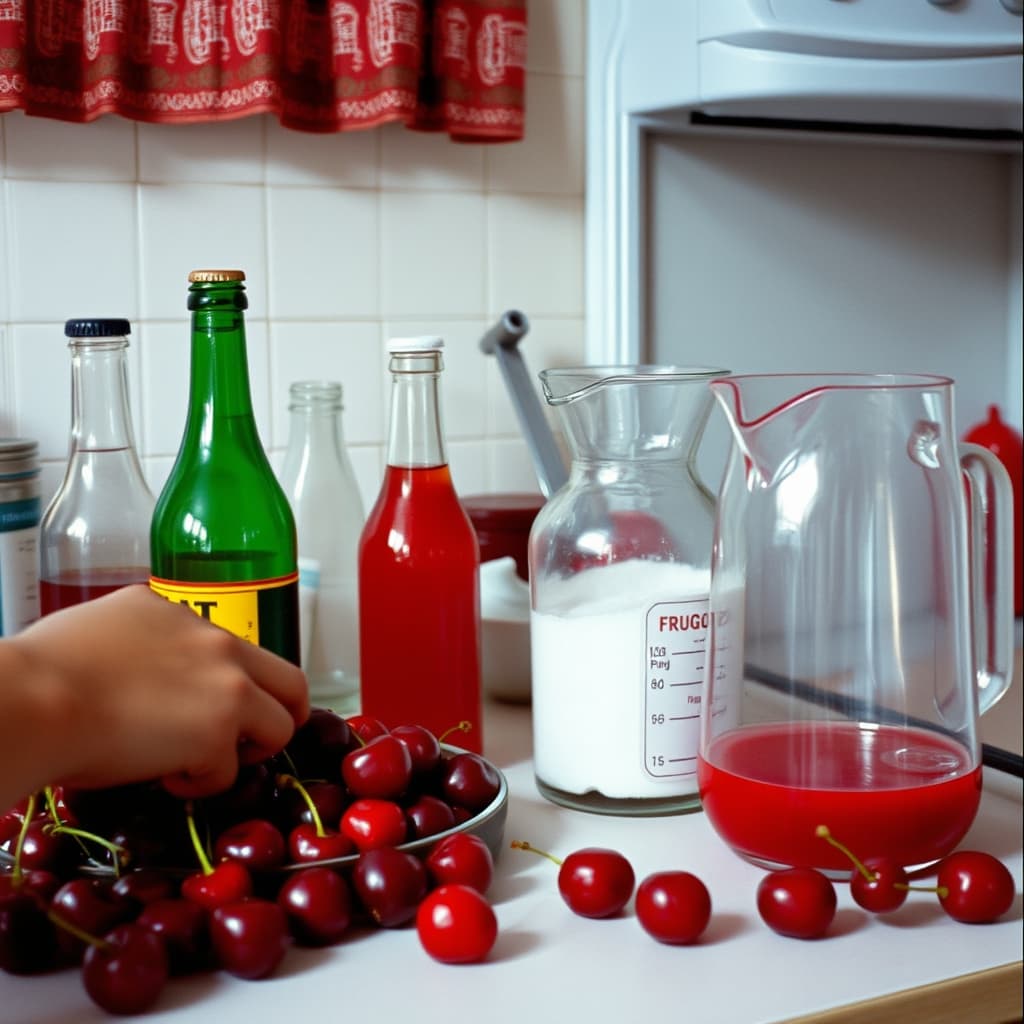
Homemade sour-cherry sherbet can hold a special place in family recipes because it captures a short fruit season in a bottle or jug. The colour and tart aroma may return childhood immediately, but safe preservation depends on more than adding sugar. Fruit condition, pitting, extraction, acidity, heat, container hygiene, dilution, refrigeration, and serving practice determine whether the memory remains a reliable drink.
Recipes vary between fresh drink, cooked compote liquid, concentrated syrup, strained sherbet, fermented beverage, frozen base, and shelf-stable preserve. Sour-cherry variety, ripeness, sugar, water, lemon, spices, heating, and storage differ. A family archive should record the exact method and intended shelf life rather than calling every red liquid the same sherbet.
Fruit Selection Comes before the Recipe
Use sound fruit from a traceable source, removing mouldy, leaking, pest-damaged, or rotten cherries rather than trimming visibly spoiled areas into the batch. Wash under appropriate clean water and keep equipment and hands clean. Soil, crates, markets, insects, and damaged skins can introduce contamination before the fruit enters the kitchen.
Pits create a choking and tooth hazard if left in a drink unexpectedly. Pitting tools, knives, bowls, and work surfaces need safe handling. Count or inspect carefully, especially when serving children, older people, or anyone with swallowing difficulty. Crushing pits or using kernels changes chemical risks and should never be improvised from an unverified traditional claim.
Sugar and Acidity Are Not Automatic Preservation
Sugar changes flavour, soluble solids, and water availability, but a sweet drink can still spoil. Sour taste does not prove a safe pH, and colour does not prove successful heat treatment. Shelf-stable bottling requires a tested process appropriate to the recipe, container, acidity, volume, altitude, and local guidance. A refrigerator recipe should not be stored in a cupboard because the bottle sealed.
Heating can reduce microorganisms but must reach the whole batch without scorching or unsafe splashing. Hot liquid and glass create burn and breakage risks. Bottles and closures must be suitable, clean, undamaged, and handled according to a validated method. Reusing decorative bottles with unknown seals is not automatically safe.
Dilution and Service Need Their Own Record
Concentrates may be mixed with water at the table, so the archive should record the actual ratio, water source, serving size, ice, and whether sugar was added again. An undiluted syrup and a ready-to-drink sherbet have different nutritional and storage contexts. Labels should state production date, ingredients, concentration, storage, and use-by guidance.
Unexpected fizzing, swelling, leaking, mould, off-odour, ropey texture, or pressure can indicate fermentation or spoilage. Do not taste a suspect bottle to test it, and open pressurised containers cautiously away from people. When safety is uncertain, discard according to local guidance rather than trying to rescue the batch by reheating.
Sugar content and acidity matter for dental health and individual dietary needs. A traditional drink is not automatically appropriate for every child or person managing diabetes or other conditions. Offer water, use reasonable portions, avoid prolonged sipping, and seek qualified health advice where needed. Spices, flavourings, shared equipment, or commercial ingredients may introduce allergens.
A Digital Nostalgia Archive can connect the sherbet with fruit variety, harvest date, supplier, pitting method, ingredient weights, pH or tested recipe where relevant, heat process, bottle type, storage, dilution, family contributors, and serving occasion. The first sip evokes childhood because seasonal labour was condensed into colour and taste. Preserving it responsibly means keeping the family recipe beside traceability, tested preservation, clear labels, appropriate portions, and the humility to refrigerate or discard when safety is uncertain.