 Eski Pano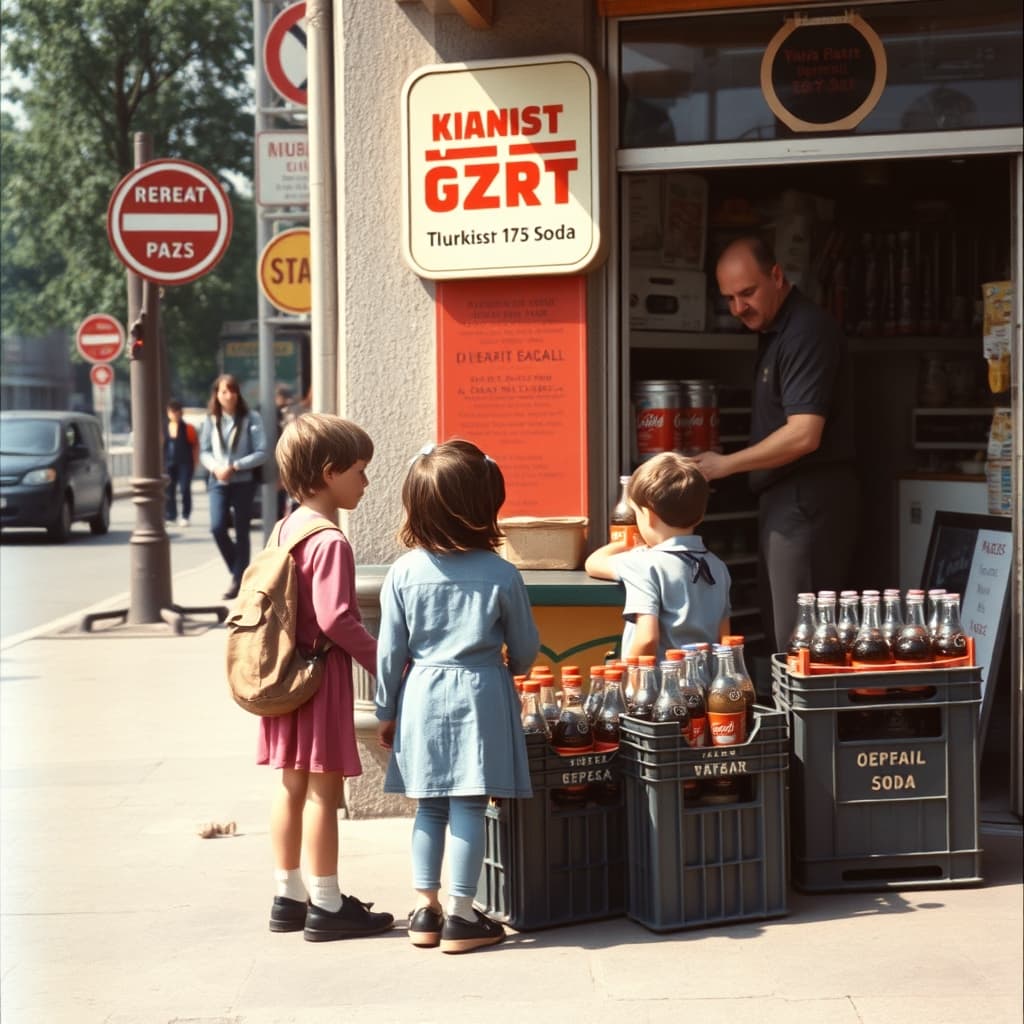
An after-school soda stop could strengthen a child's relationship with the neighbourhood shop because it offered recognition, a small independent purchase, and a few minutes between school and home. That trust depended on adult responsibilities. The shop had to sell safely, protect children without intruding, manage glass and traffic, handle money fairly, and respect the boundary between friendly familiarity and authority over a young customer.
The routine varied by city, school, age, household rules, drink, bottle system, shop type, season, and period. Carbonated fruit drinks, mineral water, cola, ayran, juice, and flavoured soda were not nutritionally or commercially identical. School timetables, product labels, deposit records, shop accounts, route maps, photographs, and interviews help define one practice.
The School Route Was Part of the Transaction
Children might cross roads, gather near delivery vehicles, block pavements, hurry before a family deadline, or follow friends farther than agreed. A responsible shop keeps entrances clear, discourages play in traffic, stores crates safely, and does not create promotions that require dangerous rushing. Road design, crossings, lighting, and adult supervision remain public responsibilities.
Shopkeepers could notice distress, bullying, injury, or an unexpected delay, but they were not substitutes for parents, schools, safeguarding professionals, or emergency services. Appropriate help follows clear procedures and local law. Personal questions, physical contact, photographs, gifts, secret arrangements, or asking children to perform errands require firm ethical limits.
Deposit Glass Needed a Complete Return Loop
Returnable bottles carried a deposit through bottler, distributor, shop, customer, collection, washing, inspection, and refilling. Chips, cracks, damaged mouths, contamination, or internal objects made a bottle unsafe. Children should not handle broken glass or climb among crates. Deposits and change must be explained accurately so a young customer is not disadvantaged.
Cold storage needed clean equipment, suitable temperatures, organised stock rotation, and separation from chemicals or raw foods. Bottle mouths, openers, cups, straws, and shared surfaces can transfer contamination. Drinking directly from a dusty or damaged bottle is not harmless because it feels traditional. Packaging and seals should be checked before sale.
A Small Treat Still Needed Ingredient Literacy
Sugar, caffeine, sweeteners, colourings, acids, and allergens vary by product and formula. Labels should be retained and age-appropriate guidance respected. A nostalgic drink is not automatically suitable for every child, especially with diabetes, allergies, dental concerns, or sensitivity to caffeine. Water should remain readily available and marketing should not undermine family or school rules.
Informal credit or shared coins could teach trust, but children should not be used to carry household debt messages or pressured into purchases. Prices, deposits, and change must be transparent. A shopkeeper should not sell on credit to a child without clear adult arrangements, nor publicly discuss a family's finances.
The pause also involved shop labour: receiving crates, lifting bottles, cleaning spills, counting deposits, cooling stock, managing queues, and watching the pavement. Employees and family workers deserve safe manual handling, fair hours, and protection from harassment. Warm memories should not turn unpaid child labour behind the counter into a charming detail.
A Digital Nostalgia Archive can connect the soda stop with school routes, product labels, deposit cycles, prices, refrigeration, bottle safety, shop rules, safeguarding practice, and the voices of children, families, and workers. The bond grew when a brief purchase offered dignity and reliable care. Preserving it means keeping friendliness beside child protection, transparent money, nutrition, glass safety, privacy, and the right of every child to reach home safely.