Eski Pano
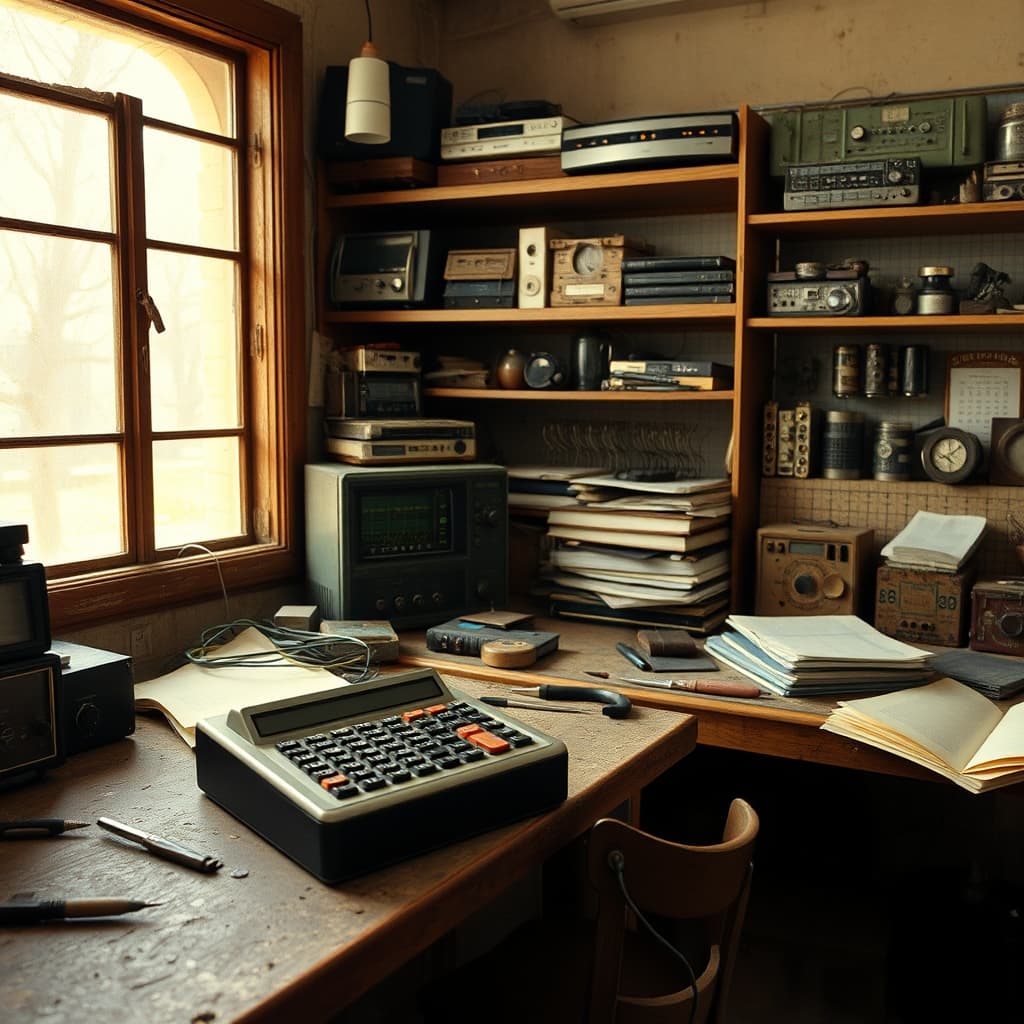
There was a time when mornings carried the unmistakable smell of schoolbags, account books, and stationery shops. The cardboard stiffness of notebook covers, the shavings-fresh scent of newly opened pencil boxes, and the quiet mystery of small electronic devices behind glass windows blended into one atmosphere. In those years, a calculator was not simply a device that displayed numbers; it was a small sign of the future placed on a desk. Especially the models that were adjusted patiently, set aside in drawers, and later revived on the bench of a repairman told the story of a modest yet powerful bond between everyday life and technology. These machines settled gently into the memory of the city, and they are remembered together with mornings that smelled of notebooks and school paper.
From the perspective of technological heritage, it was no accident that calculators found a second life in the hands of repairmen. In older urban life, technology did not become obsolete as quickly as it does today. When a device failed, the first thought was not to replace it, but to find who could fix it. Small electronics shops, television repairmen, watchmakers, and sometimes a skilled craftsman from the neighborhood patiently dealt with loose keys, oxidized battery contacts, cracked covers, or faulty screen connections. This culture of repair was not born only from necessity. It also came from a more faithful, sustainable, and attentive relationship with objects. People kept a device not merely because it worked, but because it had become familiar to the rhythm of their lives.
These small machines are remembered with hope because they lightened invisible burdens in daily life. For a grocer making calculations, a shopkeeper writing installments, a child finishing arithmetic homework, or a clerk trying to organize end-of-month expenses, the calculator was a practical companion. Yet what made it unforgettable was the feeling hidden behind the click of the keys. When numbers appeared correctly on the screen, it seemed as though life itself had become a little more orderly. And when a broken calculator came back to life on a repairman's table, the moment felt like a modest rescue. What was repaired was not only an electronic mechanism; waiting, routine, and everyday trust were repaired with it.
That is why the calculator entered urban memory so quietly but so deeply. It stood at times on a school desk, at times beside a tailor's workbench, and at times next to the notebook of store credit. Scratches gathered on its body, the transparent lid yellowed, and some keys grew shinier than others. All of these marks testified to its lived life. In the repair shop, among the smell of solder, boxes of old transistors, and radios waiting to be fixed, the revival of a calculator symbolized the city's humble relationship with technology. Even today's interest in vintage electronics and repair videos carries some trace of that past: the idea that extending the life of an object also means preserving a fragment of time.
Now most devices are replaced quietly, and the new one takes the place of the old without argument. Yet the calculator remembered from notebook-scented mornings still whispers another civic discipline to us. It teaches us not to turn our backs too quickly on what has broken, and to notice the labor hidden inside keys, covers, and circuits. These little machines that found a second life in repairmen's hands may not look like the great heroes of technological history. But that is precisely why the trace they left in daily life is so deep. They carried both the working rhythm and the shape of hope of an era. Every successful sum, every repaired key, every screen that lit again settled into the memory of the city as patience, skill, and small but lasting joy.
Calculator: Explaining Why It Found a Second Life in Repairmen's Hands, as Hope Sharpened with Every Turn of the Dial and Settled Gently into Urban Memory on Notebook-Scented Mornings