 Eski Pano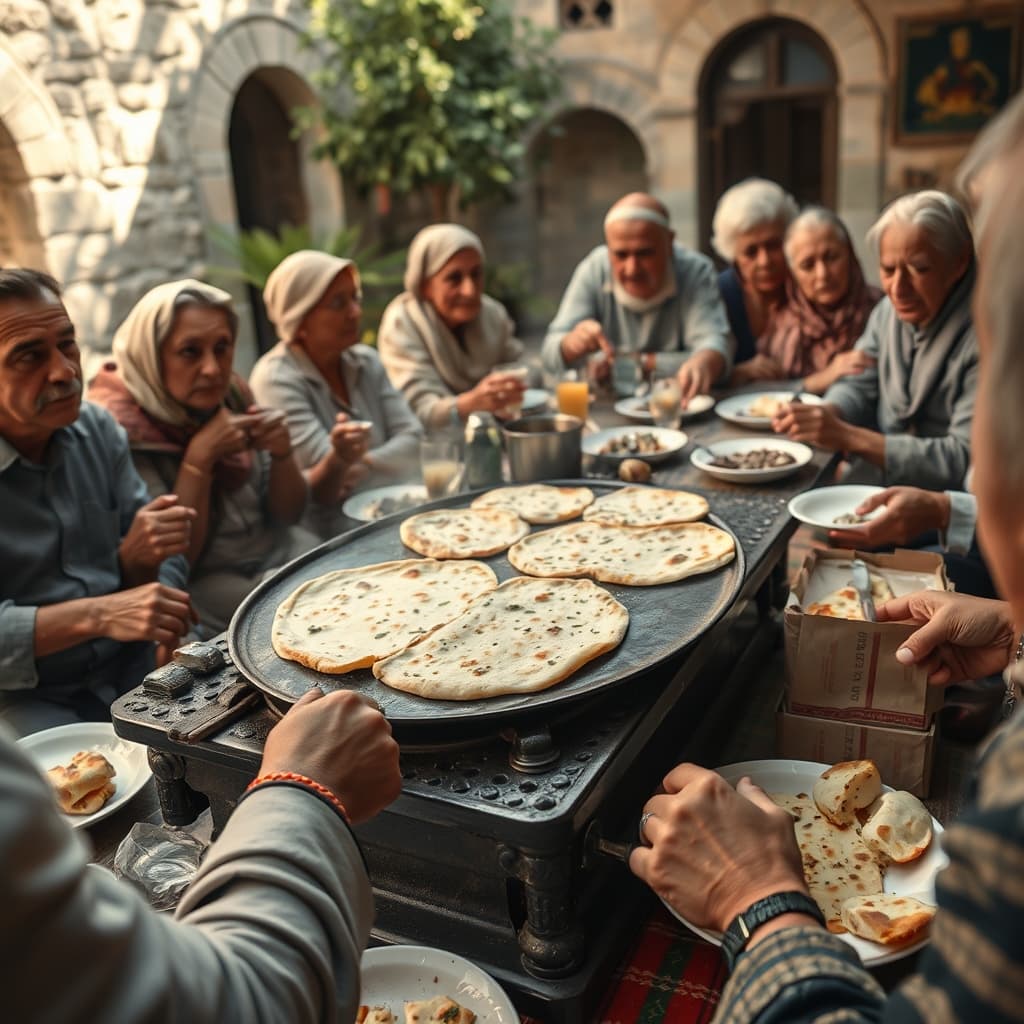
Gözleme cooked on a griddle reached the table with little distance between heat and appetite. One piece might still be browning while the previous one was cut, folded or passed among several hands. The first bite joined crisp patches, softer layers and a filling whose aroma had intensified against the hot surface. At a crowded family table, memory formed through this sequence as much as through any single ingredient.
The name includes many household and regional variations. Dough thickness, folding, fat and filling could change according to place, season, available produce and family preference. Cheese, greens, potato or other combinations should not be arranged into one universal hierarchy. The cultural centre is the relationship between thin dough, enclosed filling and direct contact with a heated sac or griddle, managed by a person who reads the surface continuously.
The Griddle Required Attention To Every Piece
Rolling demanded even pressure without tearing the dough. Too much flour could dry the surface; too little made it stick. Filling had to be distributed so edges closed and thick pockets did not remain raw. On the griddle, colour developed in irregular spots rather than a perfectly uniform crust. The cook watched, turned and adjusted position according to heat. Written timing could guide a beginner, but sight, smell and touch completed the judgement.
This labour was often social without becoming effortless. One person portioned dough, another prepared filling, someone cooked and others carried finished pieces. Conversation followed the work, yet heat, standing and repeated rolling were tiring. Praising the family atmosphere should not erase the person stationed at the griddle while everyone else began eating. Passing the first warm piece back to the cook could be a small recognition of that imbalance.
Immediate Serving Created The Table's Rhythm
Gözleme did not always arrive as a single finished platter. It came in rounds. A piece was divided, tea or ayran was poured and another followed. This staggered service made waiting visible and encouraged sharing, although it could also produce competition for a preferred filling. Adults managed portions for children and made sure late arrivals were not forgotten. The table's order emerged through practical negotiation.
Sensory memory attaches to precise details: the dry whisper of rolled dough, the darker marks from the sac, steam from a cut edge and the contrast between hot filling and cooler drink. These details vary with equipment and ingredients. They carry childhood not because every family ate the same gözleme, but because repeated preparation linked a recognisable taste with particular hands, rooms, courtyards and voices.
Prepared gözleme is now sold in markets, cafés and roadside businesses as well as homes. Commercial service can preserve skill and create livelihoods, while changing scale, equipment and speed. A Digital Nostalgia Archive need not declare household preparation more authentic than every public version. It should record what the crowded table reveals: food arrived through coordinated labour and was judged at the moment of sharing. The remembered first bite was powerful because it held the whole process at once—flour opened into a thin sheet, filling enclosed, surface browned, piece carried quickly and a place made for it among many waiting hands.