 Eski Pano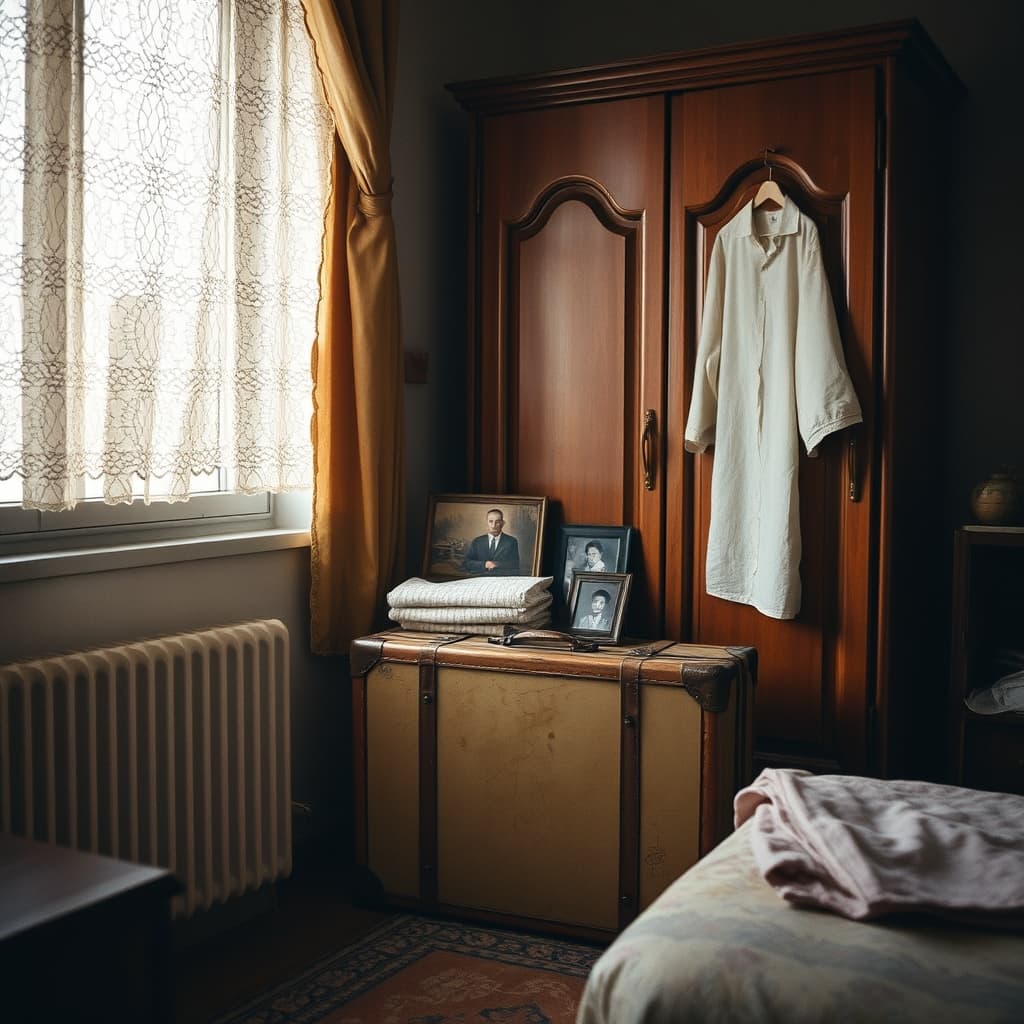
In many remembered homes, an old suitcase occupied a corner so consistently that it seemed part of the architecture. It might rest on top of a wardrobe, beneath a bed, or beside a chest in a grandmother's room. Children knew it contained something important, though not necessarily valuable in money. Its buckles, rounded edges, and familiar smell suggested journeys made before they were born and stories adults did not always tell in full.
A suitcase can become a family heirloom without being designed as one. It begins as practical equipment: bought for a marriage, military service, seasonal work, migration, a hospital stay, or a long rail journey. Later, newer luggage replaces it and the old case becomes storage for letters, fabric, photographs, baby clothes, or documents. The container and its contents then accumulate separate histories that should not be casually merged.
Materials Reveal Use and Repair
Older cases were made in many forms, including fibreboard shells, vulcanised fibre, wood frames, leather corners, metal fittings, cloth linings, and stitched handles. Wear can identify how the object travelled. Scuffed lower edges suggest platforms and pavements; a replacement handle records repair; rust may indicate damp storage. Manufacturer marks and hardware styles can help with dating, but they are evidence to compare, not proof by themselves.
The interior often preserves a more intimate record. Soap, cedar, tobacco, or moth repellent may linger in the lining. Pockets hold loose tickets, keys, thread, or an address written on paper. These traces are fragile. Emptying and cleaning the case without documentation can erase provenance, while leaving unstable chemicals or mould untouched can damage the whole collection. Care begins with photographs and an item-by-item inventory.
A Journey Was More Than Its Destination
Travel labels, railway tags, bus company slips, customs marks, and handwritten names can map movement. Yet a label may have been reused or transferred, and family stories may compress several trips into one. Dates should be checked against tickets, passports, letters, employment records, or timetables when available. The strongest account keeps uncertainty visible: “believed to have travelled” is more responsible than inventing a precise route.
Suitcases also belong to histories of displacement. Labour migration, internal relocation, population exchange, evacuation, and sudden departure gave luggage emotional weight far beyond tourism. Not every journey was chosen, and not every traveller returned. An archive should invite testimony without pressuring relatives to disclose trauma. The object may be a doorway into difficult history, but it is not permission to turn private pain into spectacle.
The Corner Became a Family Archive
When the suitcase stopped travelling, its fixed place helped organise household memory. Adults retrieved a document or winter cloth from it and returned everything in a familiar order. Children learned which objects could be touched. The case acted as a low-tech filing system whose logic belonged to one person. After that person died, descendants could mistake the arrangement for clutter unless someone recorded why each bundle was kept.
Safe preservation depends on condition. A dry, ventilated location away from direct light is generally preferable to a damp cellar or hot attic. Objects should not be forced under a lid, and heavy cases should not balance above sleeping areas. Conservators can advise on active mould, flaking surfaces, leather dressings, pests, and acidic paper. Strong fragrances should not be added to recreate a remembered smell.
A Digital Nostalgia Archive can photograph the suitcase from every side, transcribe marks, connect contents to named people, and record the owner's voice or a relative's account. The physical object should retain its scratches rather than be restored into false newness. Its value lies in the relationship between use, place, and recollection. The old suitcase in grandmother's corner endured because it was both furniture and witness: closed most days, yet quietly holding the routes by which a family became itself.