 Eski Pano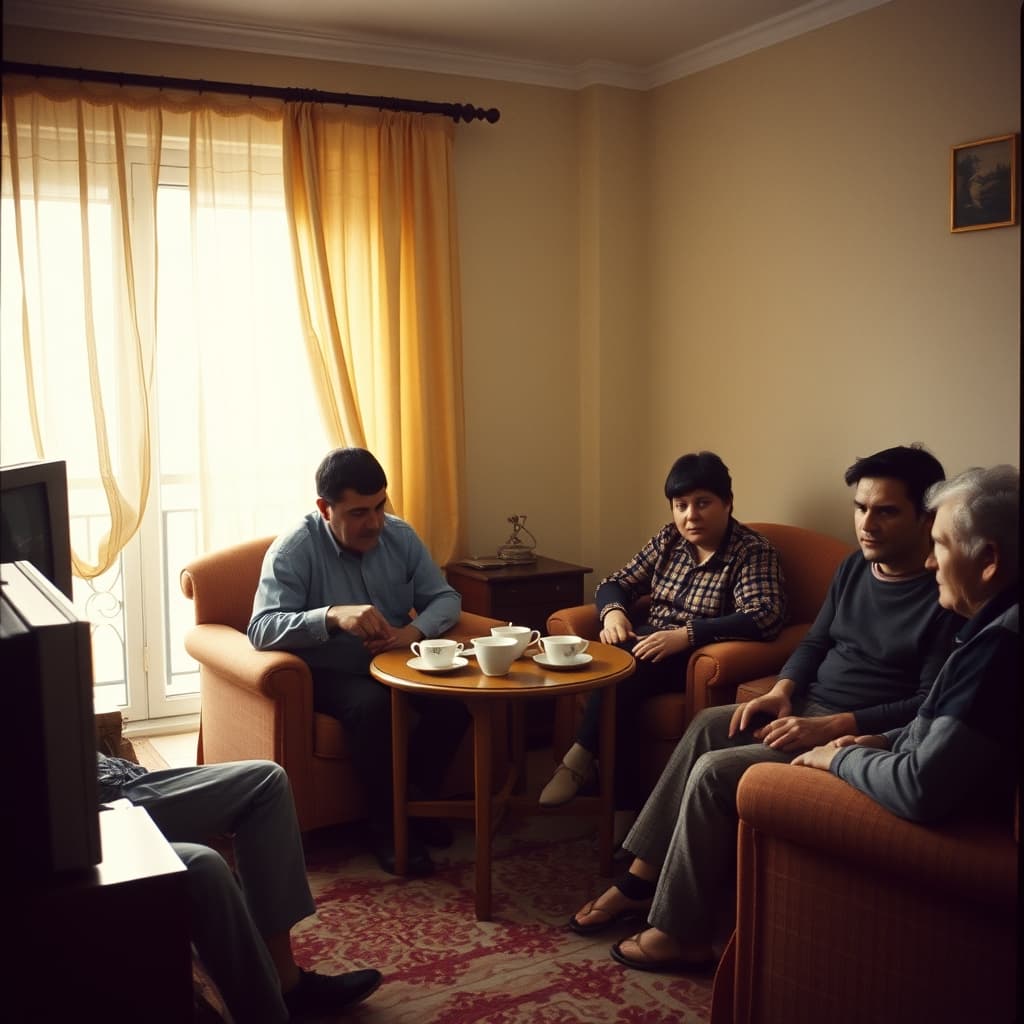
A small pager could alter the atmosphere of an entire sitting room. Conversation continued, tea cooled, and a television played, yet one person remained alert to a brief electronic tone. When the device sounded, everyone looked toward the belt clip or table. The message might concern a patient, a workplace fault, a delivery, or a family emergency. Before mobile phones became common, that short signal carried urgency without carrying the full explanation.
Pagers are often remembered as part of an “analog age,” although their networks and internal electronics varied and frequently used digital signalling. The nostalgic label describes the surrounding habits more accurately than the engineering. A pager did not usually offer a complete conversation. It asked the wearer to find a telephone, recognise a number, interpret a code, and respond. Communication therefore depended on devices, public infrastructure, and shared conventions.
A Message Arrived in Fragments
Early or basic pagers displayed a telephone number; alphanumeric models could show short text. Offices, hospitals, technical services, and delivery businesses developed local procedures for priority. A repeated call or familiar sequence might indicate urgency. These codes were efficient only when sender and receiver understood them. Without context, a number on the screen could produce anxiety, especially when the nearest working telephone was in another room, a shop, or a street booth.
Calling back completed the circuit. The wearer might excuse themselves from dinner, search for coins or a telephone card, and wait for a line. Family members became indirect participants: they lowered the television, remembered the displayed number, or speculated about the caller. The pager made work present inside domestic space while still withholding information. That combination of connection and uncertainty gives the object much of its remembered emotional charge.
Being Reachable Became a Job Condition
For doctors, technicians, managers, drivers, and emergency staff, a pager could expand responsibility beyond the workplace. It allowed mobility but also created an expectation of response. A person might attend a family evening while remaining professionally on call. Employers differed in how they paid for this availability, documented a response, or protected rest. The device should therefore be archived not only as fashionable electronics but as evidence in the history of labour.
Ownership was not universal. Service fees, network coverage, institutional access, and occupation shaped who carried one. The visible clip could suggest professional importance, modernity, or status, while for another wearer it represented interruption and fatigue. Popular films and advertisements amplified the glamorous image. Oral histories can correct that imbalance by recording missed calls, dead zones, low batteries, night duty, and the ordinary discipline of checking the display.
The Hardware Needed a Support System
The compact case held a screen, speaker or vibration motor, circuit board, and battery contacts. Batteries leaked, clips snapped, buttons wore down, and moisture entered through seams. Repair shops cleaned corrosion and replaced small parts, while service providers assigned numbers and maintained transmitters. A surviving pager without its network can no longer perform its original task, but scratches, labels, and repair marks still document its working life.
Preservation requires removing leaking batteries, storing them separately, photographing labels, and recording the service, workplace, dates, and owner when known. Personal numbers or displayed messages may involve privacy, so an archive should obtain consent and redact sensitive data. Advertisements reveal promises; invoices and manuals explain cost and operation; testimony shows how the object felt at two in the morning.
A Digital Nostalgia Archive can reconnect the pager with the telephone booth, hospital corridor, repair counter, and family sitting room that made it meaningful. The little device did not simply precede the mobile phone. It created a distinct culture of partial reachability: close enough to be summoned, but not yet able to answer from anywhere. Its tone is remembered because it compressed work, worry, and anticipation into a sound that lasted only seconds.