🇹🇷 Türkçe | salonda toplanan ailelerin sessiz heyecanı ve film sarma kolu: analog çağın unutulmayan heyecanını anlatıyor rüzgâr alan balkonlarda solmayan bir aile hatırası gibi
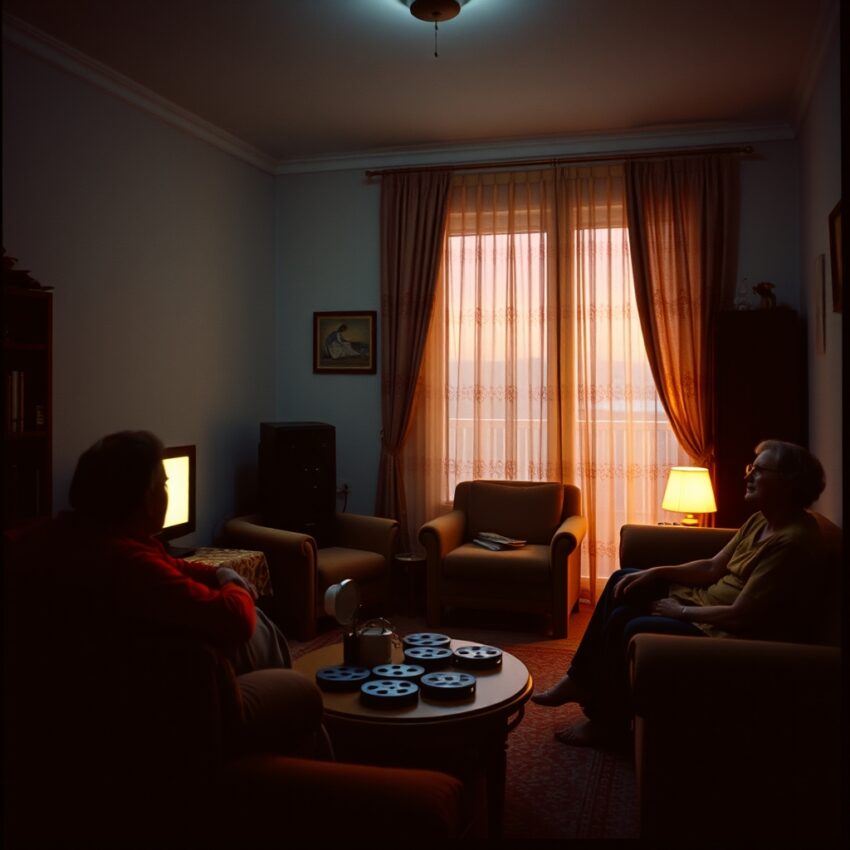
Bir zamanlar akşam, bazı evlerde televizyon izlemekten çok bir şeyin başlamasını beklemek demekti. Salonun perdeleri çekilir, orta sehpa biraz kenara alınır, çocuklar yere minder dizer, büyükler ise sanki küçük bir tören başlayacakmış gibi yerini sessizce alırdı. O sırada en önemli seslerden biri film sarma kolunun çevrilirken çıkardığı o tanıdık mekanik tını olurdu. Aile albümünden çıkan kısa film makaraları, düğünlerden, sünnetlerden, deniz kenarı yazlıklarından ya da ilk okul gösterilerinden kalan görüntüleri yeniden canlandırma sözü verirdi. Salonun içindeki bu sessiz heyecan, çoğu zaman balkon kapısından içeri giren rüzgârla birlikte daha da belirginleşirdi. Perde hafifçe kımıldar, projektörün ışığı duvara vurur ve bir evin sıradan akşamı birden aile hafızasının en parlak sahnesine dönüşürdü.
Teknoloji Mirası açısından bakıldığında film sarma kolu ve ev tipi gösterim cihazları, analog çağın yalnız araçları değil; bekleme, hazırlık ve birlikte izleme kültürünün de parçasıydı. Bugünün tek tuşla açılan ekranlarına karşılık o yıllarda görüntüye ulaşmak için önce makara takılır, film kontrol edilir, ampul düşünülür, perde ayarlanırdı. Bu küçük uğraşlar izleme deneyimini daha kıymetli kılardı. Eski teknoloji dergilerinde ve mağaza ilanlarında amatör film makineleri modern aile hayatının simgesi gibi sunulurdu; ama asıl değerleri, aile içi zamanı kaydetmeleri ve sonra topluca geri çağırmalarıydı. Her görüntü teknik olarak kusurlu olabilirdi; kadraj kayar, ışık patlar, biri kameraya aniden fazla yaklaşırdı. Yine de tam da bu kusurlar hatırayı canlı tutardı.
Salonda toplanan ailelerin sessiz heyecanı, biraz da görüntü gelene kadar geçen birkaç dakikadan doğardı. Film kopar mı, sahne karanlık çıkar mı, çocukluk görüntüleri yine aynı kahkahayı yaratır mı, herkes bunu beklerdi. Evin en meraklısı cihazın başında durur, biri lambayı kapatır, biri duvara beyaz çarşaf gerer, biri de makarayı düz tutmaya çalışırdı. İlk görüntü belirince odanın içi değişirdi. Dedenin gençliği, annenin okul yılları, balkon demirine yaslanmış bir yaz akşamı ya da henüz asfalt dökülmemiş sokakta koşan çocuklar, salondaki herkesi aynı anda farklı bir zamana götürürdü. O anda konuşmalar azalır, yalnız arada bir tanıma sevinciyle yükselen cümleler duyulurdu. Analog çağın heyecanı tam da burada saklıydı: görüntü kolay ulaşılmaz olduğu için daha dikkatle seyredilirdi.
Rüzgâr alan balkonlarda solmayan aile hatırası ifadesi, bu yazının duygusal merkezini taşır. Çünkü eski ev hayatında balkon, içeriyle dışarının birbirine karıştığı geçiş alanıydı. Film gösterimi bitince kapı açılır, çaylar balkona taşınır, az önce izlenen görüntüler yeniden anlatılırdı. “Bak, burada halanın saçları ne kadar kısa,” ya da “şu gün fırtına çıkmıştı” gibi cümleler, filmi ikinci kez sözle oynatırdı. Rüzgâr perdeleri hareket ettirirken içerideki makine hâlâ ısısını korur, makaralar sessizce masada beklerdi. Böylece teknik bir cihaz, aile içinde anlatıyı sürdüren bir eşyaya dönüşürdü. Hatıra yalnız duvarda izlenen görüntüde değil, gösterim sonrası yapılan konuşmalarda da yaşamaya devam ederdi.
Bugün dijital arşivler çok daha kolay saklanıyor; fakat o eski film sarma kolunun uyandırdığı dikkat duygusu başka bir zamana aitti. Görüntüyü seyretmek kadar hazırlamak, kurmak ve birlikte beklemek de anının parçasıydı. Bu yüzden analog çağın unutulmayan heyecanı, sadece teknolojiye değil, ailece yaşanan ritüele dayanır. Rüzgâr alan balkonlarda solmayan şey de biraz budur: bir cihazın çalıştırdığı görüntüler kadar, o görüntüleri izlemek için bir araya gelen insanların ortak kalp atışı. Eski salonlarda başlayan bu küçük törenler, bugün hâlâ aile hafızasının en sıcak köşesinde ışığını koruyor.
🇬🇧 English | The Quiet Excitement of Families Gathering in the Living Room and the Film Winding Lever: It Tells the Unforgotten Excitement of the Analog Age Like a Family Memory That Does Not Fade on Windy Balconies
There was a time when evening in certain homes meant less watching television than waiting for something to begin. The curtains in the living room were drawn, the coffee table was pushed aside, children arranged cushions on the floor, and the elders quietly took their places as if a small ceremony were about to start. One of the most important sounds in that room was the familiar mechanical tone of the film winding lever turning. Short reels taken from the family archive promised to bring back scenes from weddings, circumcisions, summers by the sea, or school performances. That quiet excitement in the room became even more palpable with the breeze entering through the balcony door. The curtain moved slightly, the projector light struck the wall, and an ordinary evening at home suddenly turned into one of the brightest scenes in family memory.
Seen as technological heritage, the winding lever and home projection devices were not only tools of the analog age, but also parts of a culture of waiting, preparation, and collective viewing. Unlike today’s screens opened with a single touch, those years required a reel to be mounted, the film checked, the bulb considered, and the screen adjusted before an image could appear. These small efforts made the experience more precious. Old technology magazines and shop advertisements presented amateur film equipment as a symbol of modern family life, yet their deepest value lay in recording family time and then calling it back into the room together. Every image might be technically imperfect; the framing slipped, the light flared, someone moved too close to the camera. Yet it was precisely those imperfections that kept memory alive.
The quiet excitement of families gathering in the living room came partly from the few minutes that passed before the image appeared. Would the film tear, would a scene come out too dark, would childhood footage still cause the same laughter? Everyone waited for that answer. The most curious member of the house stood by the device, someone else turned off the lamp, another held up a white sheet, and another tried to keep the reel straight. Once the first image appeared, the whole room changed. A grandfather in his youth, a mother in her school years, a summer evening leaning against the balcony rail, or children running in a street not yet covered with asphalt carried everyone at once into another time. Conversation quieted, broken only by occasional cries of recognition. The excitement of the analog age lived exactly there: because images were not easily reached, they were watched with greater attention.
The phrase about a family memory that does not fade on windy balconies holds the emotional center of this subject. In old domestic life, the balcony was a threshold where inside and outside met. After the screening ended, the door would open, tea would be carried outside, and the scenes just viewed would begin to be retold. “Look how short your aunt’s hair was here,” or “that was the day the storm came up,” people would say, replaying the film in words a second time. While the wind moved the curtains, the machine inside still held its warmth and the reels rested silently on the table. In that way, a technical device turned into an object that prolonged storytelling within the family. Memory continued to live not only in the image on the wall, but also in the conversation that followed it.
Today digital archives are far easier to keep, yet the attention awakened by that old film winding lever belonged to another age. Preparing, arranging, and waiting together were as much a part of the memory as watching it. That is why the unforgotten excitement of the analog age rests not only on technology, but on ritual shared as a family. What does not fade on those windy balconies is also this: not merely the images set in motion by a machine, but the common heartbeat of those who gathered to see them. The little ceremonies that began in old living rooms still preserve their light in the warmest corner of family memory.
🇧🇷 Português (Brasil) | A Emoção Silenciosa das Famílias Reunidas na Sala e a Manivela de Rebobinar o Filme: Ela Conta a Emoção Inesquecida da Era Analógica Como uma Lembrança de Família que Não Desbota em Varandas Ventiladas
Houve um tempo em que a noite, em algumas casas, significava menos assistir televisão do que esperar alguma coisa começar. As cortinas da sala eram fechadas, a mesa de centro era puxada para o lado, as crianças alinhavam almofadas no chão e os mais velhos tomavam seus lugares em silêncio, como se uma pequena cerimônia estivesse prestes a acontecer. Um dos sons mais importantes daquele momento era o timbre mecânico da manivela de rebobinar o filme. Os pequenos rolos tirados do arquivo da família prometiam trazer de volta cenas de casamentos, festas, verões à beira-mar ou apresentações escolares. Essa emoção silenciosa da sala ficava ainda mais nítida com o vento entrando pela porta da varanda. A cortina se movia de leve, a luz do projetor batia na parede, e uma noite comum em casa se transformava numa das imagens mais luminosas da memória familiar.
Como patrimônio tecnológico, a manivela e os aparelhos de projeção doméstica não eram apenas ferramentas da era analógica, mas partes de uma cultura de espera, preparação e exibição coletiva. Ao contrário das telas de hoje, abertas com um toque, naquela época era preciso encaixar o rolo, conferir o filme, pensar na lâmpada e ajustar a superfície de projeção antes que a imagem aparecesse. Esses pequenos trabalhos tornavam a experiência mais valiosa. Revistas antigas de tecnologia e anúncios de lojas apresentavam o equipamento de filme amador como um símbolo da vida familiar moderna, mas seu valor mais profundo estava em registrar o tempo da família e depois trazê-lo de volta ao mesmo espaço. Cada imagem podia ser tecnicamente imperfeita; o enquadramento escapava, a luz estourava, alguém se aproximava demais da câmera. Ainda assim, eram justamente essas imperfeições que mantinham a lembrança viva.
A emoção silenciosa das famílias reunidas na sala também nascia dos minutos que passavam antes de a imagem surgir. Será que o filme ia prender, uma cena sairia escura, as imagens da infância ainda provocariam a mesma risada? Todos esperavam por isso. A pessoa mais curiosa da casa ficava junto do aparelho, alguém apagava a luz, outro esticava um lençol branco, e outro tentava manter o rolo alinhado. Quando a primeira imagem aparecia, a sala inteira mudava. O avô ainda jovem, a mãe nos anos da escola, uma tarde de verão apoiada no corrimão da varanda ou crianças correndo numa rua ainda sem asfalto levavam todos, ao mesmo tempo, para outro tempo. As conversas diminuíam, interrompidas apenas por frases curtas de reconhecimento. A emoção da era analógica estava justamente aí: como a imagem não era facilmente alcançada, ela era observada com mais atenção.
A ideia de uma lembrança de família que não desbota em varandas ventiladas guarda o centro afetivo deste tema. Na antiga vida doméstica, a varanda era a zona de passagem entre dentro e fora. Quando a projeção terminava, a porta se abria, o chá seguia para a varanda, e as cenas recém-vistas começavam a ser narradas outra vez. “Olha como o cabelo da tia estava curto aqui” ou “foi nesse dia que o vento virou” eram frases que rebobinavam o filme pela fala. Enquanto o vento movimentava as cortinas, o aparelho lá dentro ainda conservava o calor, e os rolos descansavam em silêncio sobre a mesa. Assim, um dispositivo técnico se transformava num objeto que prolongava a narrativa dentro da família. A lembrança continuava vivendo não apenas na imagem projetada, mas também na conversa que vinha depois.
Hoje os arquivos digitais são muito mais fáceis de guardar, mas a atenção despertada por aquela antiga manivela pertence a outro tempo. Preparar, ajustar e esperar juntos fazia parte da memória tanto quanto assistir. Por isso, a emoção inesquecida da era analógica não se apoia apenas na tecnologia, mas no ritual vivido em família. O que não desbota naquelas varandas com vento é também isso: não só as imagens colocadas em movimento por uma máquina, mas o batimento comum das pessoas reunidas diante delas. As pequenas cerimônias que começavam nas salas antigas ainda guardam sua luz no canto mais quente da memória familiar.