 Eski Pano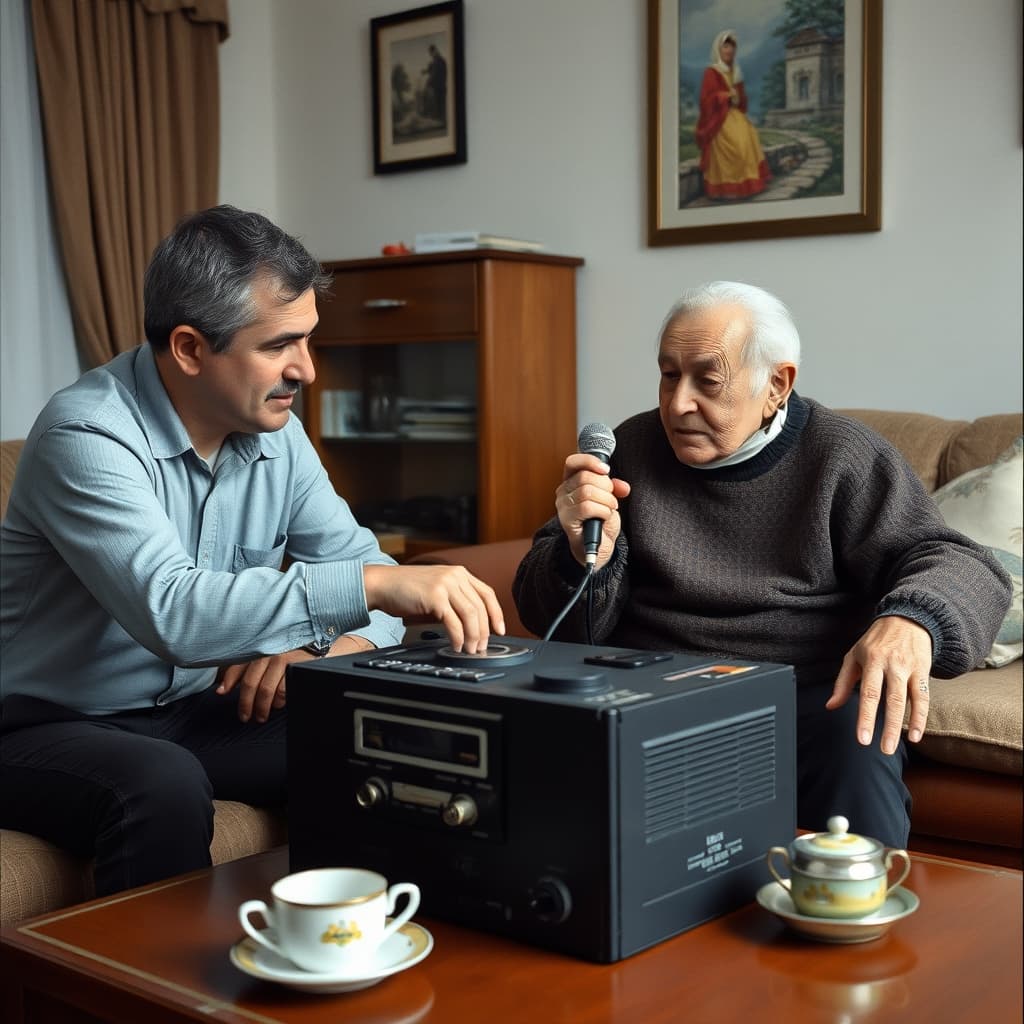
Using a tape recorder once demanded enough preparation to feel ceremonial. A family gathered, the machine was placed on a stable table, a cassette or reel was selected, and someone checked the microphone before pressing record. People lowered their voices, waited for a song on the radio, or invited a relative to speak. The excitement came from hearing ordinary domestic time return as sound.
The Turkish word teyp can refer to different machines, including reel-to-reel recorders, cassette decks, portable radio-cassette players, and car stereos. Their controls, media, speeds, connectors, power supplies, and recording methods differ. Photographs, model numbers, manuals, tape format, and family testimony are needed before describing one device's operation as representative of every period.
Recording Required a Small Choreography
On many cassette machines, record and play had to be pressed together. A microphone needed the correct socket and distance; loose leads produced noise; and a missing write-protect tab prevented accidental erasure. Radio recording depended on tuning, signal strength, timing, and a quiet room. With open-reel equipment, threading path, reel size, tape speed, and tension required further knowledge.
That preparation distributed roles. One person operated the controls, another watched the radio schedule, children were asked not to shout, and the chosen speaker waited for a signal. Mistakes remained audible as clicks, coughs, doorbells, laughter, or voices saying that the tape had started. These interruptions now reveal room acoustics and family relations that a polished studio recording would hide.
The Machine Changed Who Could Speak
A recorder could preserve a grandparent's story, a child's first song, a message for relatives abroad, language practice, a wedding, or music copied from broadcast and commercial recordings. Access to the microphone was not necessarily equal. The person controlling the machine decided when recording began, whose voice mattered, and whether an embarrassing passage was erased.
Domestic labour surrounded the session. Someone cleared the table, prepared tea, kept younger children occupied, found batteries, labelled the tape, and stored it afterwards. Women might supply much of the gathering's work while men were more often remembered as technical operators. Oral history should ask who bought, maintained, served, listened, and was excluded, rather than letting the machine stand for the whole family.
Old Audio Equipment Needs Cautious Care
Mains-powered recorders may contain degraded insulation, capacitors, belts, pinch rollers, and components carrying dangerous voltage. Battery compartments can corrode. Unknown equipment should not be plugged in merely to see whether it works, and only a qualified technician should open or service it. Improvised adaptors, household oil, random solvents, and forced controls can create electrical, fire, or mechanical damage.
Magnetic tape can suffer mould, broken leaders, missing pressure pads, binder deterioration, stretching, print-through, and poor storage. Suspected mould should be isolated and assessed professionally rather than played in a family room. Before valuable media is loaded, a serviced machine should be tested with expendable tape. Cool, dry, stable storage away from magnets, heaters, leaks, and direct sun slows deterioration.
Digitisation should keep an unedited preservation transfer and record the machine, speed, noise-reduction setting, connections, converter, date, operator, and any interventions. Listening copies can be cleaned separately, but aggressive noise removal may erase room tone or quiet speech. The tape, box, handwritten label, sequence, and device photographs remain part of the record after sound is copied.
Copyright and privacy do not disappear with age. Broadcast music, commercial recordings, private conversations, children, and absent relatives may require restricted access or permission. A Digital Nostalgia Archive can connect tapes with manuals, radio schedules, photographs, receipts, letters, and interviews. The recorder felt ceremonial because scarce technology made listening deliberate. Preserving that atmosphere means keeping excitement beside technical limits, unequal control, household labour, safe repair, authorship, and consent.