 Eski Pano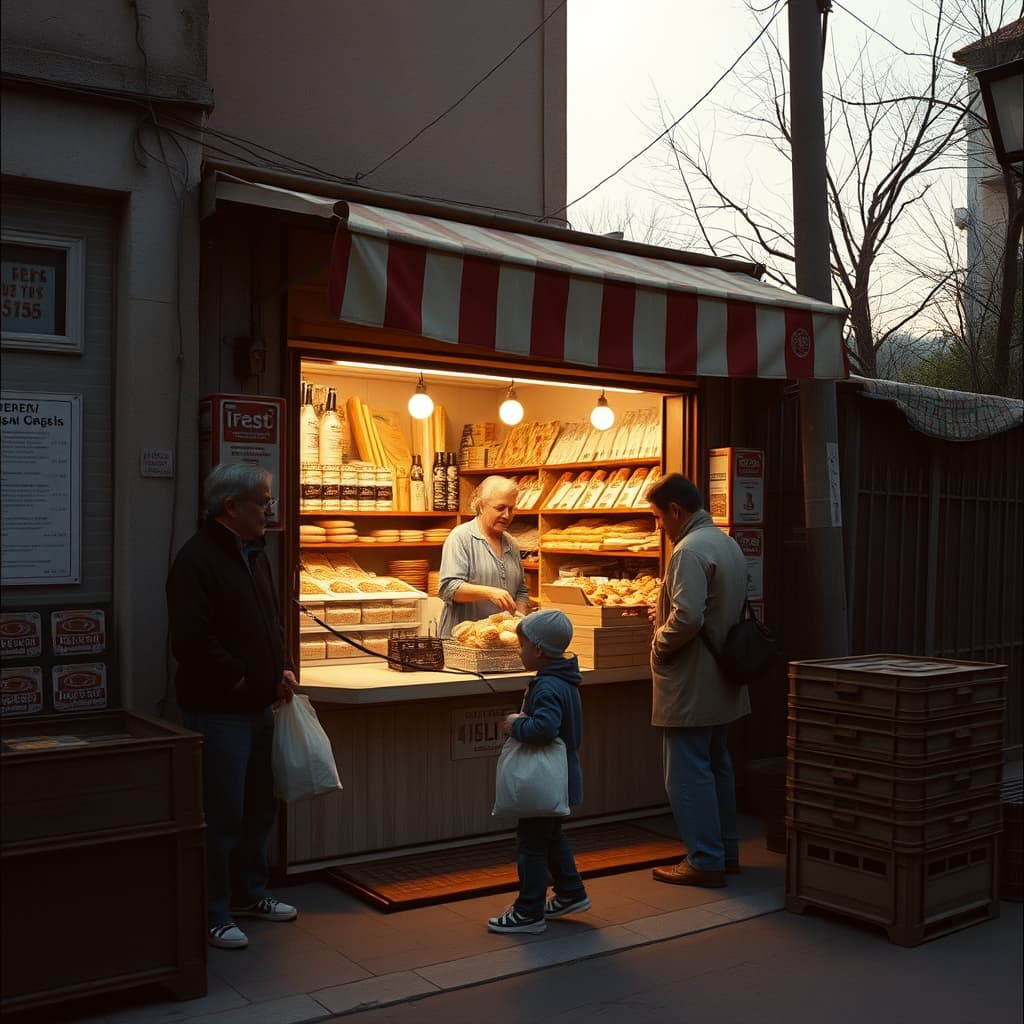
At the beginning of spring, an evening stop at the neighbourhood grocery could feel like the warmest scene on the street. The door remained open to softer air, crates stood near the counter, and customers arrived for bread, tea, yoghurt, matches, soap, or one missing ingredient. A short purchase became a chance to learn who had returned, what had sold out, and whether a neighbour needed help.
The local bakkal was never one fixed institution. Size, stock, ownership, opening hours, refrigeration, supply routes, and customer relations varied by town and decade. Some shops served a few streets; others stood by a school, factory, station, or market. Oral memories should be compared with trade licences, invoices, photographs, advertisements, product packaging, and municipal records.
The Counter Held Practical Knowledge
A shopkeeper knew delivery days, package sizes, seasonal price changes, which bread remained, and which substitute might work in a recipe. Small quantities could be weighed or divided for customers who could not buy a full package. This flexibility was useful, but measures, hygiene, and pricing were not automatically consistent. Calibrated scales, clear prices, legal packaging, and clean handling remain essential.
Children were often sent with a note, a cloth bag, a bottle to return, or a remembered list. The errand taught routes and responsibility while exposing them to traffic, heavy loads, unsuitable products, or pressure to spend change. Romantic accounts should distinguish age-appropriate participation from labour or unsafe responsibility. Modern safeguarding and road conditions must guide any reenactment.
A Credit Notebook Recorded Trust and Strain
Veresiye allowed some households to take essentials and pay after wages, a harvest, or another expected income. The notebook could provide dignity and continuity when cash was short. It also documented debt, created anxiety, exposed private hardship, and placed risk on a small trader. Terms differed, and the arrangement depended on unequal bargaining power as well as neighbourly trust.
Historic credit books contain personal financial information. Names, addresses, purchases, and unpaid balances should not be published casually, even decades later. Digitisation can redact sensitive details, consult families, and describe the accounting system without turning poverty into spectacle. Shopkeepers' own debts to wholesalers and landlords belong in the economic picture.
Warmth Came from Work behind the Scene
Before the evening rush, someone received deliveries, lifted crates, checked dates, swept, cooled dairy products, cut paper, counted cash, updated accounts, answered questions, and watched the doorway. Family members might work long hours without formal pay or privacy. Women and children often contributed while the male proprietor's name appeared above the shop. A complete archive identifies those hidden roles.
Food safety depended on reliable refrigeration, pest control, separation of chemicals from food, clean utensils, intact packaging, safe water, and stock rotation. A nostalgic display should not offer expired products or reproduce open handling that fails current rules. Allergens require accurate labels, and refilled containers must not mislead customers about contents or origin.
The doorway also occupied public space. Crates, bicycles, customers, and delivery carts should not block wheelchairs, pushchairs, visually impaired pedestrians, building entrances, or emergency routes. Evening lighting needs to be sufficient without unsafe wiring. Conversation should not become pressure on people who want to shop quickly or avoid sharing private news.
A Digital Nostalgia Archive can connect a grocery with ledgers, scales, bags, deposit bottles, supplier routes, refrigeration, shop signs, street plans, and interviews with owners, family workers, delivery drivers, children, and customers. The evening stop felt warm because commerce, information, and recognition met at one counter. Preserving it means keeping that familiarity beside debt, long labour, privacy, food safety, accessible passage, and the economic uncertainty of a very small business.