 Eski Pano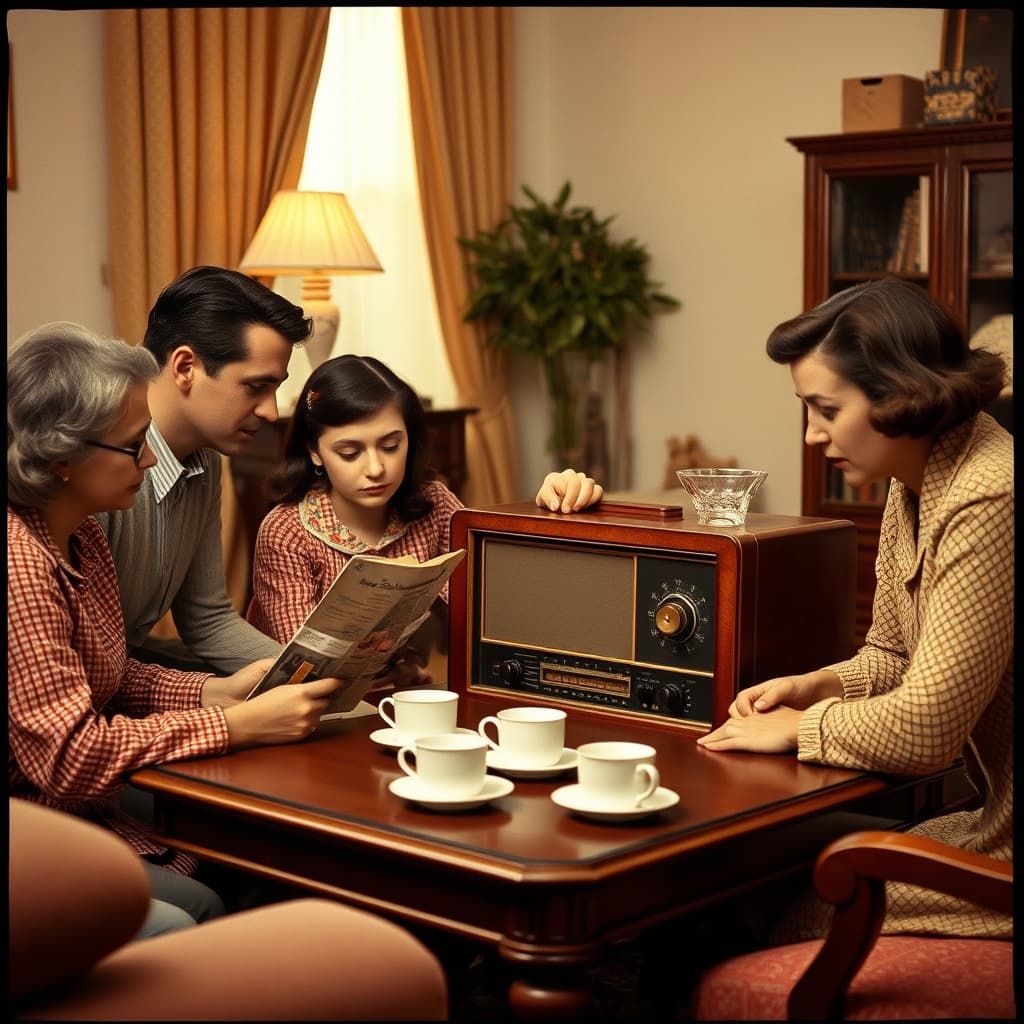
A family radio organised attention before it produced nostalgia. Chairs turned towards a cabinet or tabletop set, conversation softened at a familiar signature tune and someone adjusted the dial. The programme arrived from beyond the neighbourhood, but listening was shaped inside the room by who selected the station, controlled the volume and decided when other activity should stop.
Sets varied from valve radios requiring warm-up time to portable transistor models that moved between rooms. Power supply, aerial position and building construction affected reception. A household might know exactly where a signal cleared, which evening brought interference and how far the tuning knob could be moved without losing the station.
The Schedule Gave Sound a Place in the Day
News, music, drama, sports and educational broadcasts appeared at announced hours. Listeners planned tea, chores or visits around them. Missing a programme meant waiting for a repeat, hearing an account from someone else or losing it entirely. This scarcity gave the broadcast concentration that on-demand listening does not require.
Printed schedules in newspapers and magazines helped households choose. Programme announcements also taught the sequence. A familiar theme could function as a clock across many homes, yet the experience was not identical: shift work, electricity access, language and regional coverage shaped who could listen.
One Loudspeaker Required Negotiation
The radio filled shared air. A child wanting music, an adult following news and another person seeking quiet could not create separate streams. Families negotiated volume and priority, sometimes through authority rather than agreement. Listening together could build conversation, but it could also silence the preferences of less powerful members.
The set's physical placement reinforced this order. A protected shelf kept it away from spills and children's hands; a central cabinet made it part of the room's status. Lace covers reduced dust but could obstruct ventilation on warm equipment. Valve radios contain hazardous voltages and should not be opened by untrained collectors.
Broadcast Authority Needed Critical Listening
For many households, radio news carried official weight. Voice, timing and lack of competing immediate sources could make an announcement feel definitive. Yet broadcasting was shaped by institutions, censorship, editorial choices and technical reach. An archive should preserve schedules and recordings alongside political context rather than treating every broadcast as neutral.
Repairers kept sets alive through valve replacement, dial-cord work, capacitor service and cabinet repair. Components age even when a radio is not used. Safe restoration requires electrical isolation, correct parts and respect for original circuitry. Cosmetic polishing alone does not make a receiver functional.
Listening posture changed with the programme. News encouraged stillness, drama rewarded sustained attention and music allowed hands to return to sewing or homework. These shifts show that shared listening was not one behaviour but a set of domestic arrangements around sound.
A Digital Nostalgia Archive can link receivers, tuning scales, licence or purchase records, programme guides, repair notes and family testimony. Recordings should identify station, date and source where possible. The family radio remains powerful because it created a shared appointment with sound. Its history belongs equally to the distant studio, the technician at the bench and the people in the salon who leaned closer when the signal finally became clear.