🇹🇷 Türkçe | Bip Sesini Bekleyen Salonlar
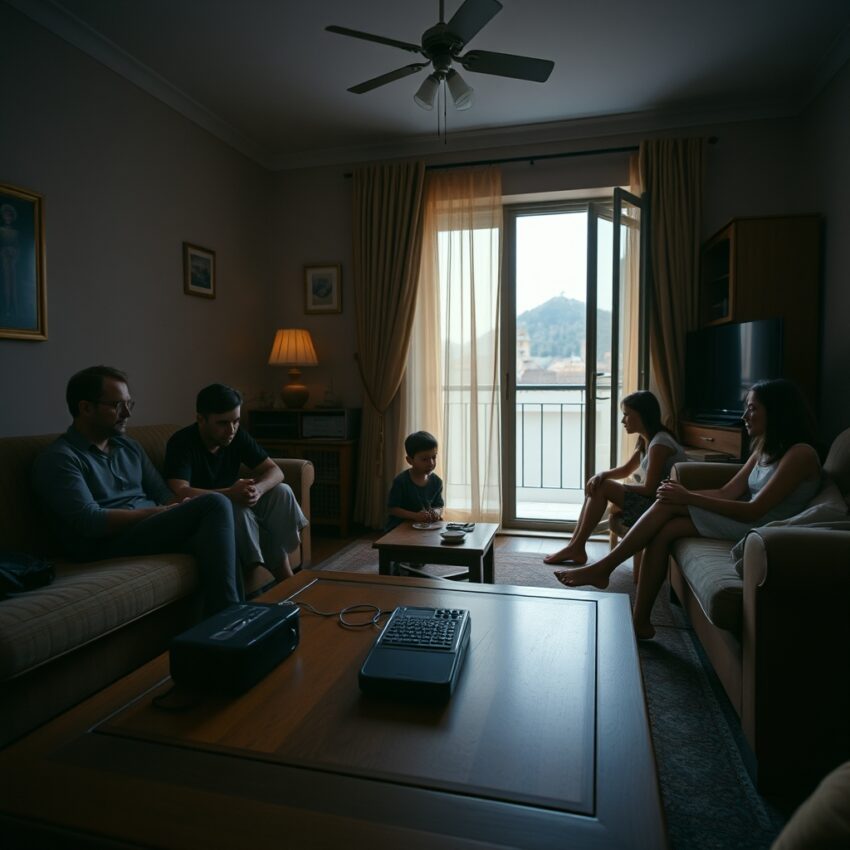
Bir zamanlar evin salonu, akşam olunca yalnız misafir ağırlanan ya da televizyon seyredilen bir yer değil, haber beklenen küçük bir merkez hâline gelirdi. Telefon her an çalacakmış gibi sessizlik daha dikkatli yaşanır, sehpanın üstünde duran pager cihazına ara ara göz kaydırılır, çocuklar yetişkinlerin yüzündeki o hafif ciddiyeti merakla izlerdi. Analog çağın bu küçük cihazı, bugünün sürekli akan bildirimlerinden bambaşka bir heyecan taşırdı. Pager’ın sesi seyrek gelir, ama geldiğinde evin içindeki havayı bir anda değiştirirdi. Kimin aradığı, neyin gerektiği, hangi telefon kulübesine ya da hangi işyeri hattına dönüleceği, o birkaç saniyede ailece düşünülürdü. Bu yüzden pager, teknik olarak kişisel bir araç görünse de çoğu evde kolektif bir duygu üretirdi; salonun ortasında dururken bütün aileyi sessiz bir bekleyişe ortak ederdi.
Teknoloji Mirası açısından pager, geçiş çağının en ilginç haberleşme nesnelerinden biridir. Ne tam anlamıyla sabit hat düzenine aittir ne de bugünkü mobil dünyanın bireyselliğine. O, şehirle insan arasındaki mesafeyi kısaltan ama yine de gecikmeyi tümüyle ortadan kaldırmayan bir araçtı. Doktorların, teknik servis çalışanlarının, saha görevlilerinin ya da şehir içinde sürekli hareket hâlinde olan insanların hayatında önemli bir yeri vardı. Fakat asıl kültürel etkisi, bu cihazın yalnız sahibini değil çevresini de tetikte tutmasıydı. Pager taşıyan bir baba, ağabey ya da aile dostu olduğunda, evin salonundaki herkes o küçük ekrana biraz ortak olurdu. Bip sesi geldiğinde televizyonun sesi kısılır, biri not defterini uzatır, biri duvardaki saatine bakar, biri balkon kapısını açıp daha iyi çekiyor mu diye yoklardı. Haberleşme, ailenin gündelik koreografisinin bir parçasına dönüşürdü.
Rüzgâr alan balkonların bu hatırada özel bir yeri vardır çünkü pager sonrası en sık yaşanan sahnelerden biri balkona çıkmaktı. Salonun sıcak havasından çıkar, demir korkuluklara yaklaşır, sokağın ışıklarına bakarken hangi büfede telefon var, hangi komşudan ricada bulunulur, en yakın ankesörlü telefon nerede, bunlar hatırlanırdı. Balkon hem düşünme hem karar verme mekânıydı. Yaz akşamlarında perdeler hafifçe dalgalanırken içeriden çay kokusu gelir, dışarıdan uzaktan geçen minibüsün sesi duyulur, elinizde küçük cihazla birkaç rakamı çözmeye çalışırken şehirle ev arasındaki bağ daha somut hissedilirdi. Belki de bu yüzden pager’ın hatırası sadece teknolojiyle değil, mekânla da ilgilidir. O cihaz balkon kapılarında, salon sehpalarında, duvar telefonlarının yakınında ve aile içi kısa fısıltılarda yaşamıştır.
Bugün pager denince çoğu kişiye yalnız eski bir cihaz gelir; oysa hafızada kalan asıl şey, haberin değerinin o kadar da ucuz olmadığı bir zamandır. Her sinyalin bir ağırlığı, her geri dönüşün küçük bir telaşı, her bekleyişin bir aile içi yankısı vardı. Kimse gün boyu ulaşılabilir değildi; ama ulaşılan anın kendisi daha belirgin, daha ciddi, daha özenliydi. Salonda toplanan ailelerin sessiz heyecanı da buradan doğuyordu. Çocuk, yetişkinlerin yüzünü okuyarak bir haberin önemini sezdi; anne, bir telefon dönüşü için hazır tuttuğu kâğıdı uzattı; baba, cihazın ekranına eğilirken omuzlarında işin ve evin yükünü birlikte taşıdı. Teknoloji, o anda bir makineden çok aile düzenine eklenen yeni bir nabız gibi çalıştı.
Pager cihazı bugün günlük hayattan çekilmiş olabilir; fakat onun anlattığı analog heyecan bütünüyle kaybolmuş değildir. Hâlâ bazı eski balkonlar, bazı sehpa üstleri, bazı akşam sessizlikleri insana o bekleme duygusunu hatırlatır. Çünkü unutulmayan şey yalnız cihazın kendisi değil, haberin eve topluca indiği o andır. Sessizce aynı bip sesini duyan bir aile, bir dönemin iletişim kültürünü birlikte yaşamış demektir. Rüzgâr alan balkonlarda solmayan hatıra biraz da budur: teknolojinin aile hayatına gürültüyle değil, ince bir heyecanla girdiği yıllar.
🇬🇧 English | Living Rooms Waiting for the Beep
There was a time when the living room, once evening arrived, was not only a place for guests or television, but a small center for waiting on news. Silence was lived more carefully, as though the telephone might ring at any moment, and people’s eyes drifted now and then toward the pager resting on the coffee table. Children watched the faint seriousness on adults’ faces with curiosity. This small device of the analog age carried a thrill entirely different from today’s endless stream of notifications. The pager’s sound came rarely, but when it did, the air inside the house changed at once. Who was calling, what was needed, which pay phone or office line had to be called back, these were questions the whole family weighed in those few seconds. For that reason, the pager may have looked like a personal tool, yet in many homes it produced a collective emotion. Sitting in the middle of the living room, it drew the entire family into a quiet waiting.
From the standpoint of technological heritage, the pager is one of the most striking communication objects of a transitional era. It belonged neither fully to the world of fixed lines nor to the individualism of the mobile present. It shortened the distance between the city and the person, yet never erased delay completely. It held an important place in the lives of doctors, technical service workers, field staff, and people constantly in motion through the city. But its real cultural effect came from the fact that it kept not only its owner alert, but everyone around that person as well. When a father, older brother, or family friend carried a pager, everyone in the living room shared that small screen a little. When the beep sounded, the television volume was lowered, someone handed over a notebook, someone checked the wall clock, someone opened the balcony door to see whether the reception might somehow feel clearer there. Communication turned into part of the family’s daily choreography.
Windy balconies hold a special place in this memory because one of the most common scenes after the pager sounded was stepping outside onto the balcony. You left the warm air of the living room, moved toward the iron railing, looked out at the streetlights, and tried to remember which kiosk had a telephone, which neighbor could be asked a favor, where the nearest pay phone stood. The balcony became both a place for thinking and for deciding. On summer evenings the curtains shifted lightly, the smell of tea drifted from inside, the sound of a passing minibus came from afar, and with the small device in hand while trying to decipher a few digits, the link between city and home felt more tangible. That may be why the memory of the pager belongs not only to technology, but also to space. The device lived at balcony doors, on coffee tables, beside wall telephones, and within the household’s quiet whispers.
Today, when people hear the word pager, many think only of an outdated device. Yet what truly remains in memory is a period in which news was not cheap. Each signal carried weight, each return call its own small urgency, each wait its echo inside the family. No one was reachable all day long, but the moment of being reached had greater shape, greater seriousness, greater care. The quiet excitement of families gathered in the living room emerged from exactly this. A child read importance on adult faces; a mother handed over the paper she kept ready for a callback; a father leaned toward the screen while carrying both work and household on his shoulders. Technology functioned less like a machine in that instant and more like a new pulse added to family life.
The pager may have left everyday use today, yet the analog excitement it represents has not vanished completely. Some old balconies, some coffee tables, some evening silences still remind people of that waiting. What remains unforgettable is not only the device itself, but the moment when news arrived to the house as something shared. A family hearing the same beep in silence had, in that instant, lived the communication culture of an era together. That is the memory that does not fade on windy balconies: the years when technology entered family life not with noise, but with a fine and measured excitement.
🇧🇷 Português (Brasil) | Salas à Espera do Bip
Houve um tempo em que a sala de casa, ao cair da noite, não era apenas o lugar de receber visitas ou assistir à televisão, mas um pequeno centro de espera por notícias. O silêncio era vivido com mais atenção, como se o telefone pudesse tocar a qualquer instante, e os olhos se voltavam de vez em quando para o pager sobre a mesinha. As crianças observavam com curiosidade aquela leve seriedade no rosto dos adultos. Esse pequeno aparelho da era analógica trazia uma emoção muito diferente do fluxo contínuo de notificações de hoje. O som do pager era raro, mas, quando chegava, mudava imediatamente o ar da casa. Quem chamou, o que era preciso, para qual telefone público ou linha de trabalho se deveria retornar, tudo isso era pensado pela família nesses poucos segundos. Por isso o pager, embora parecesse um objeto pessoal, produzia em muitas casas um sentimento coletivo. Parado no centro da sala, ele transformava todos em participantes de uma mesma espera silenciosa.
Do ponto de vista do patrimônio tecnológico, o pager é um dos objetos de comunicação mais marcantes de uma era de transição. Ele não pertencia totalmente ao mundo das linhas fixas nem ao individualismo do presente móvel. Aproximava a cidade da pessoa, mas não eliminava completamente a demora. Tinha lugar importante na vida de médicos, técnicos de manutenção, profissionais de campo e gente sempre em movimento pela cidade. Mas seu efeito cultural mais forte vinha do fato de manter atentos não apenas seus donos, mas também quem vivia ao redor deles. Quando um pai, um irmão mais velho ou um amigo da família carregava um pager, todos na sala participavam um pouco daquela pequena tela. Quando o bip soava, a televisão era abaixada, alguém trazia o bloco de notas, alguém olhava o relógio na parede, alguém abria a porta da varanda como se isso pudesse tornar o sinal mais nítido. A comunicação virava parte da coreografia cotidiana da família.
As varandas ventiladas ocupam um lugar especial nessa lembrança porque uma das cenas mais frequentes depois do bip era justamente sair para a varanda. Deixava-se o ar quente da sala, aproximava-se do gradil de ferro, olhava-se para as luzes da rua e tentava-se lembrar onde havia um telefone, qual vizinho poderia ajudar, onde ficava o orelhão mais próximo. A varanda se tornava espaço de pensamento e decisão. Nas noites de verão, as cortinas balançavam de leve, o cheiro do chá vinha de dentro, o som distante de um micro-ônibus passava pela rua e, com o aparelho pequeno na mão tentando decifrar alguns números, a ligação entre casa e cidade ficava mais concreta. Talvez por isso a memória do pager não pertença apenas à tecnologia, mas também ao espaço. O aparelho viveu nas portas das varandas, nas mesinhas da sala, perto dos telefones de parede e nos sussurros breves entre familiares.
Hoje, ao ouvir falar em pager, muita gente pensa apenas num aparelho antigo. No entanto, o que ficou na memória foi um tempo em que a notícia não era barata. Cada sinal tinha peso, cada retorno trazia uma pequena urgência, cada espera produzia um eco dentro da família. Ninguém estava disponível o dia inteiro; mas o momento de ser chamado tinha mais contorno, mais seriedade e mais cuidado. A excitação silenciosa das famílias reunidas na sala nascia exatamente disso. A criança percebia a importância lendo o rosto dos adultos; a mãe entregava o papel que já deixava preparado para anotar; o pai se inclinava sobre a tela levando ao mesmo tempo o trabalho e a casa nos ombros. Naquele instante, a tecnologia funcionava menos como máquina e mais como um novo pulso acrescentado à vida doméstica.
O pager pode ter saído do cotidiano, mas a emoção analógica que ele representa não desapareceu por completo. Algumas varandas antigas, algumas mesinhas de sala e certos silêncios da noite ainda fazem lembrar aquela espera. O que não se esquece não é apenas o aparelho, mas o momento em que a notícia chegava à casa como algo compartilhado. Uma família ouvindo o mesmo bip em silêncio vivia junta, naquele instante, a cultura de comunicação de uma época. Essa é a lembrança que não desbota nas varandas ventiladas: os anos em que a tecnologia entrou na vida familiar não com barulho, mas com uma emoção fina e medida.