Eski Pano
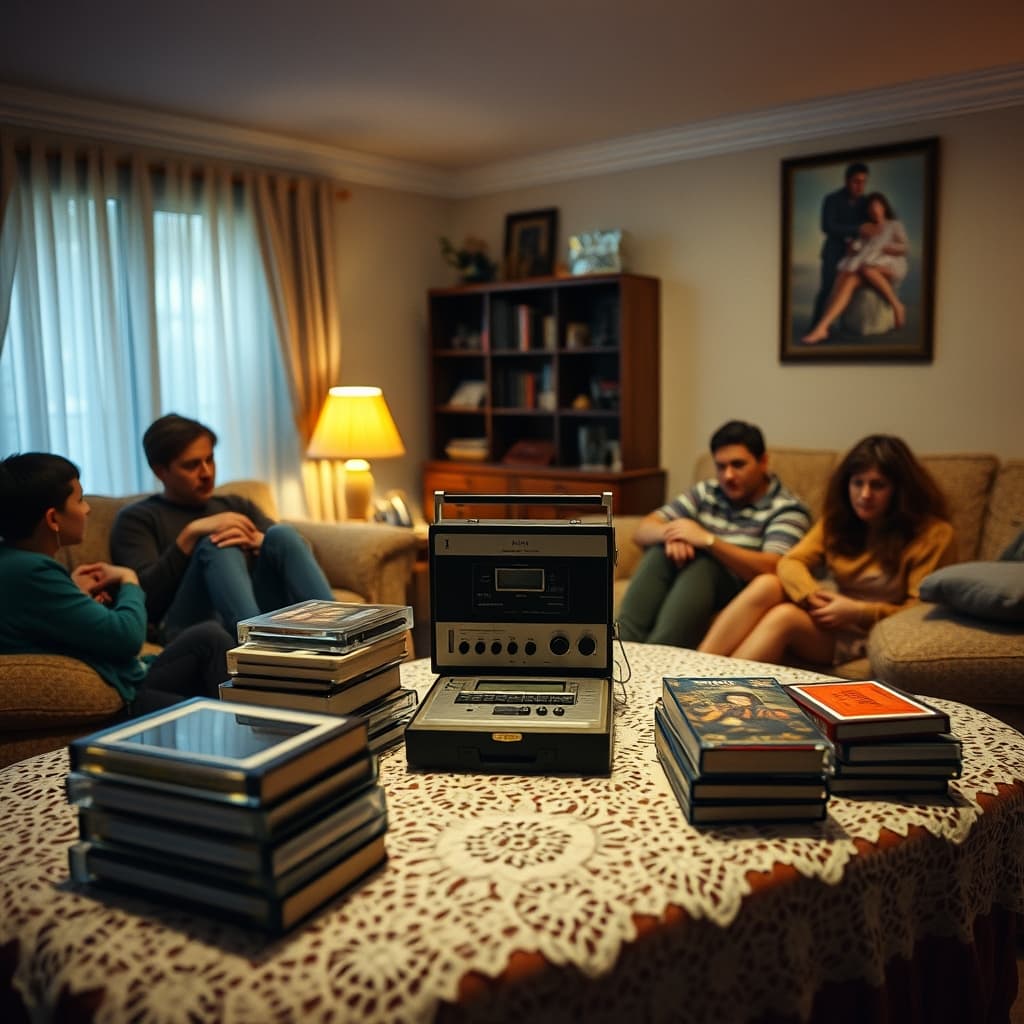
After dinner was cleared, a small preparation began in the living room. Cassette boxes were lined up on the table, choices were discussed, and the tape recorder was placed carefully in the most visible spot. Even the question “Is the rewinding pencil ready?” belonged to an era. Using a tape recorder was never just pressing a button; it was part of a ritual where sound had value and music was preserved through care.
From the 1970s to the 1990s, the tape recorder became one of the strongest characters of home technology. Audio culture shaped by radio and vinyl turned more personal through portable cassettes. People organized favorite songs into mixtapes, wrote dates neatly on blank tapes, and sometimes slipped handwritten notes inside the case. Each cassette became more than storage; it became an emotional archive of a period. Even the hiss before a song could carry memory.
The quiet excitement of families gathered in the living room came from shared listening. Everyone listened at the same time, and comments began as soon as a track ended. Fathers focused on sound quality, mothers on lyrical mood, children on rhythm and tempo. During cassette changes, a brief silence formed, then memory opened through lines like “this played at that wedding.” The recorder did not only amplify sound; it built bridges across generations.
Its technical side was ceremonial too. Play, stop, and rewind were used in sequence. If tape jammed, no one rushed; the cover was opened gently, the ribbon was fixed with patience. When batteries weakened, everyone heard the pitch shift. If there was a neighborhood repairman, everyone knew the address. The device went in for head cleaning and returned days later. In that analog world, maintenance culture taught continuation rather than disposal.
On special days, the tape recorder almost became a second host of the house. Holiday mornings had lively folk songs, engagement evenings had upbeat tracks, long winter nights had calmer melodies. Visiting neighbors often meant “let’s play that cassette too,” and conversation deepened through music. Listening to a cassette from beginning to end was a focus mode now increasingly rare: no notifications, no skipping, no fragmented attention.
Today, music is instantly available in our pockets. Quality is high, choice is endless, archiving anxiety is low. Yet longing for the cassette era is not only object nostalgia. What is truly missed is the slow shared time built around music. In those rooms, people did not consume songs; songs helped people remember one another. They returned to the same story at the same moment.
That is why using a tape recorder felt ceremonial: technology occupied the center of the room, yet served connection, not domination. The click of buttons, the motion of spools, the small snap of a cassette case still trigger memory. This analog rhythm reminds us not just how we listened, but how we shared time. The quiet excitement of families around a tape recorder remains one of the clearest memories of collective listening in a fast digital age.
Family Cassette Recorder Rituals: How Was Analog Listening Culture Lived at Home?