 Eski Pano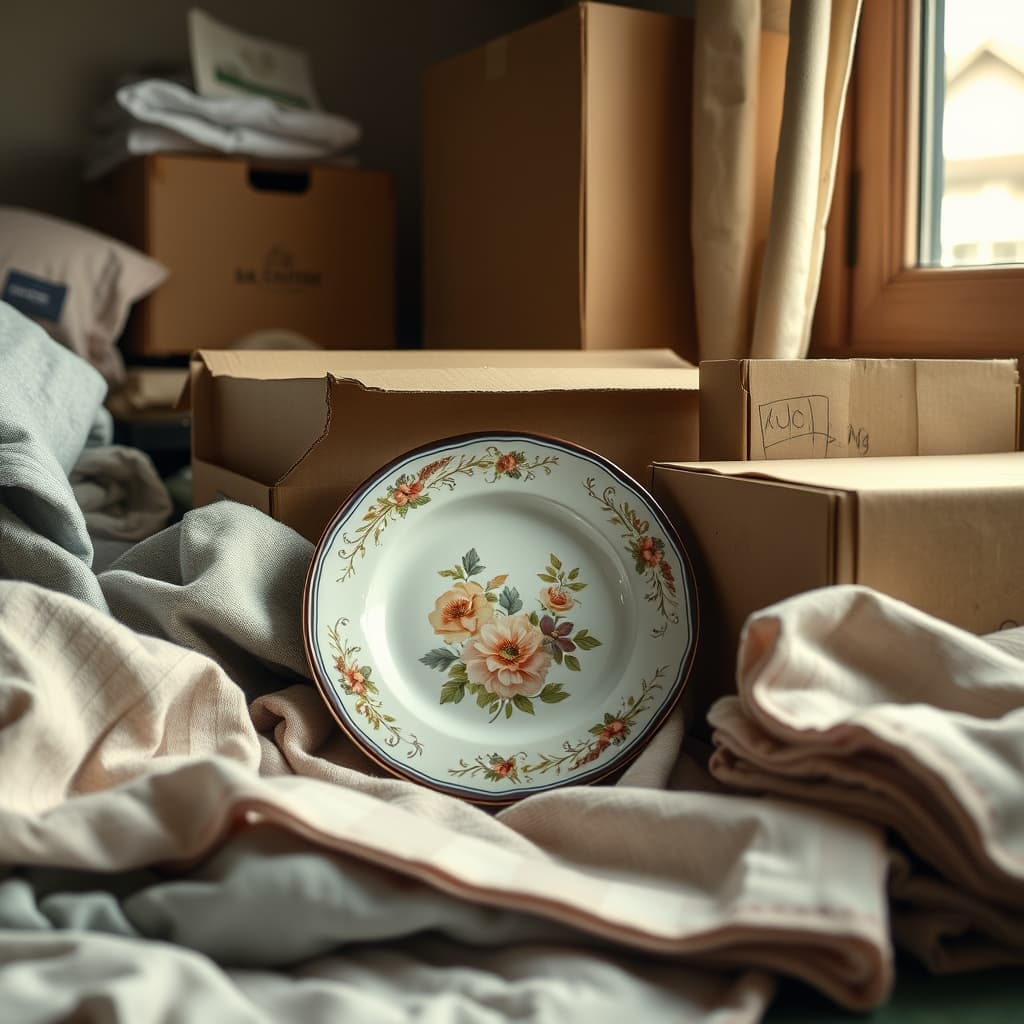
An enameled plate could move house without becoming anonymous. Wrapped between towels or placed at the top of a kitchen box, it arrived with a recognisable colour, rim, floral motif, and pattern of wear. In the new home, cupboards and tables might change, but the plate resumed a familiar task. It held breakfast, fruit, a portion saved for someone arriving late, or ingredients waiting beside the stove. Continuity was created through use rather than display.
Enamelware joined a shaped metal body with a smooth fired surface, producing an object that felt lighter than heavy ceramic yet belonged comfortably beside other kitchen vessels. Its appeal was practical and visual. A bright ground colour or decorative border could lift an ordinary table, while the surface was straightforward to wash. The plate did not need to be reserved for guests in order to express taste. Its design worked inside daily repetition.
A Durable Surface For Everyday Meals
The history visible on an old plate is rarely tidy. A chipped edge may expose the darker material beneath; fine scratches can soften a once-glossy centre; repeated washing may leave one area different from another. These changes are not proof of a particular family story, but they reveal how enamel responds to handling. The plate records contact with cutlery, sinks, shelves, hot food, and hurried stacking. Its condition makes the labour of a kitchen easier to see.
That durability also explains why enamelware could accompany a household through moves. When families sorted their belongings, not every object earned space in a new cupboard. A plate survived because it remained useful, because replacements cost money, because its size suited a familiar dish, or because its appearance had become part of the room. Sentiment and practicality did not have to compete. An object could be kept for both reasons at once.
What A Plate Reveals About Domestic Taste
Patterns on enamelware show how ornament entered ordinary life. Flowers, coloured rims, geometric accents, and plain fields offered different ways to make a working object attractive. The choice available to a household depended on place, budget, supply, and period, so it would be misleading to treat one design as universal. What can be said more carefully is that domestic taste often appeared through small decisions repeated across a kitchen: which colours sat together, what was displayed, and what was used until its surface changed.
Collectors may now value a plate for scarcity, condition, or graphic appeal, but an archive should not separate it completely from service. The object was designed to meet food and hands. Cleaning, stacking, carrying, and occasional damage belong to its cultural biography. A flawless example shows manufacturing and design; a worn example can show the pressure of ordinary use. Both are informative, but they answer different questions.
In contemporary kitchens, enamel plates may return as deliberate design choices, camping equipment, or inherited pieces. Their renewed visibility can encourage attention, but nostalgia should not turn every chip into a fictional anecdote. The stronger story lies in what the material genuinely demonstrates: a household object could remain useful across changing rooms, routines, and expectations. Moving home altered the setting, yet the familiar plate helped the new kitchen begin to feel inhabited.