 Eski Pano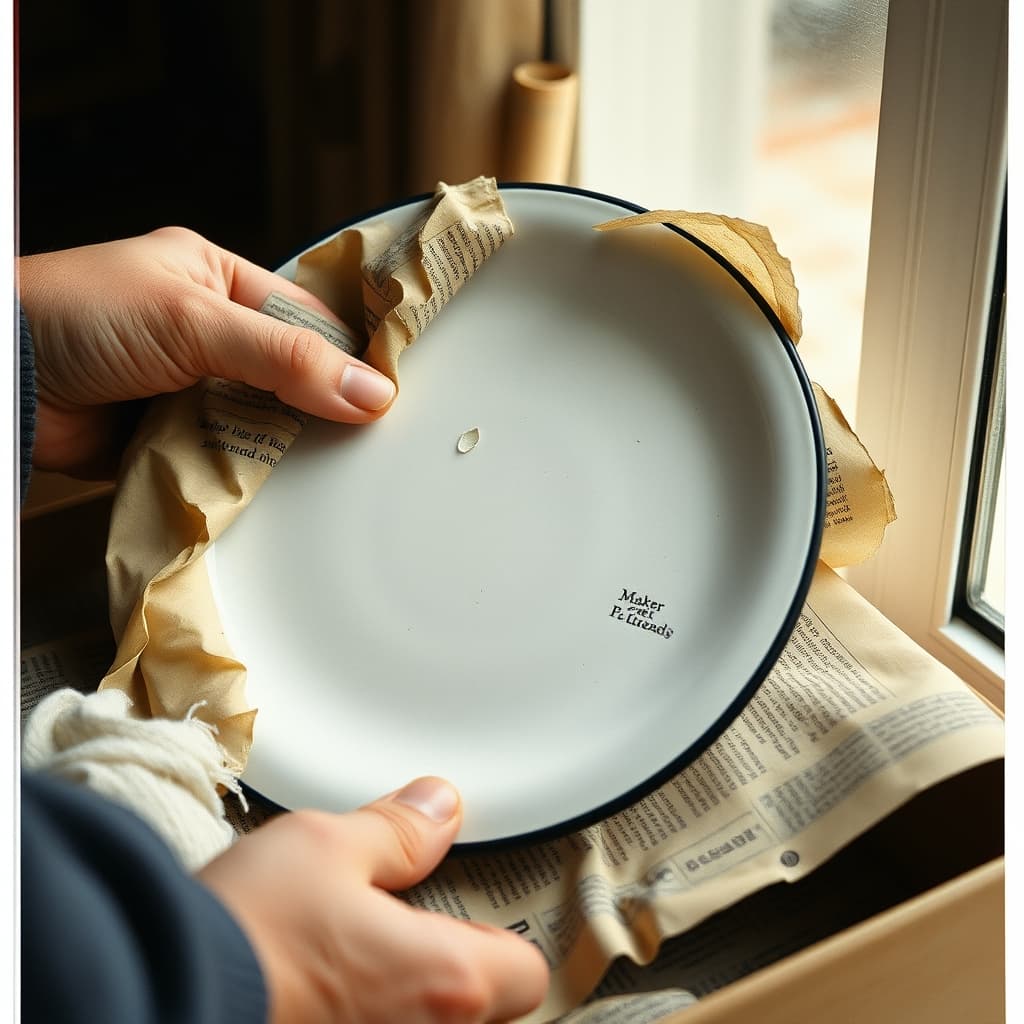
An enamel plate that survives several household moves carries a biography in dents, chips, scratches, labels, and changing uses. It may begin as everyday tableware, become a tray for small objects, move to a display shelf, and finally be wrapped as a family keepsake. Nostalgia makes it shine quickly, but material evidence explains why this particular plate travelled when many others were discarded.
Vitreous enamelware is generally made by fusing a glass-like coating to metal, often steel or iron, at high temperature. Manufacturing methods, metal body, enamel layers, decoration, transfer printing, edge treatment, and firing differ by producer and period. Ceramic glaze and painted metal can resemble enamelware in photographs, so weight, magnet response, exposed edges, marks, and specialist examination help identification.
Marks and Damage Establish a Timeline
A maker's stamp, factory symbol, country name, number, retailer label, or pattern can suggest origin and date, but marks may be incomplete, copied, or used for long periods. Catalogues, advertisements, invoices, packaging, and comparison objects strengthen attribution. Family testimony can identify when the plate entered the home, who chose it, and which moves it survived.
A chip exposes the metal body and may lead to rust; a dent records impact; utensil scratches show use; soot or grease suggests kitchen storage; adhesive residue may come from a later display. Damage should not be treated only as defect. Its location and layers can distinguish manufacturing flaw, everyday wear, moving accident, repair, or later neglect.
Moving Changed the Object's Role
During a move, someone decided what to wrap, carry, give away, sell, or abandon. The plate may have survived because it was useful, light, unbreakable compared with ceramic, connected to a person, or small enough to fit a parcel. Newspaper wrapping, string, boxes, cupboard photographs, address labels, and inventories can connect the object to particular homes.
A move can transform use. A chipped plate may leave the dining table and hold keys, sewing supplies, soap, seeds, or photographs. It can become wall decoration or remain hidden. These changes are part of provenance. Restoring the plate to an imagined original function can erase the household's own adaptation.
Old Enamelware Is Not Automatically Safe for Food
An intact modern food-grade enamel surface may be suitable for use, but age, unknown composition, worn decoration, exposed metal, corrosion, cracks, sharp chips, and previous non-food contents complicate a historic plate. It should not return to serving simply because it looks clean. Material testing and professional advice may be needed, especially for children, acidic foods, or repeated use.
Abrasive powder, wire wool, bleach, acid, rust converters, dishwasher cycles, and aggressive polishing can scratch enamel, alter decoration, drive chemicals into cracks, or remove evidence. Painting over chips may introduce incompatible materials and disguise corrosion. Conservation starts with dry documentation, stable handling, and a specialist plan rather than a household cosmetic repair.
Photography should capture front, reverse, rim, profile, every chip, mark, label, repair, scale, and colour reference. Storage needs stable support, dry conditions, padding that does not trap moisture, and separation from objects that scratch. Hanging systems should not stress a weak rim. Old food or unknown residue should not be tasted and may require controlled sampling.
A Digital Nostalgia Archive can connect the plate with factory catalogues, purchase records, kitchen photographs, moving boxes, address histories, family inventories, repairs, and oral accounts. Its appeal comes from a visible material biography rather than flawless rarity. Preserving it means keeping shine beside rust, beauty beside adaptation, affection beside uncertain food safety, and every household decision that allowed one ordinary plate to cross several thresholds.