 Eski Pano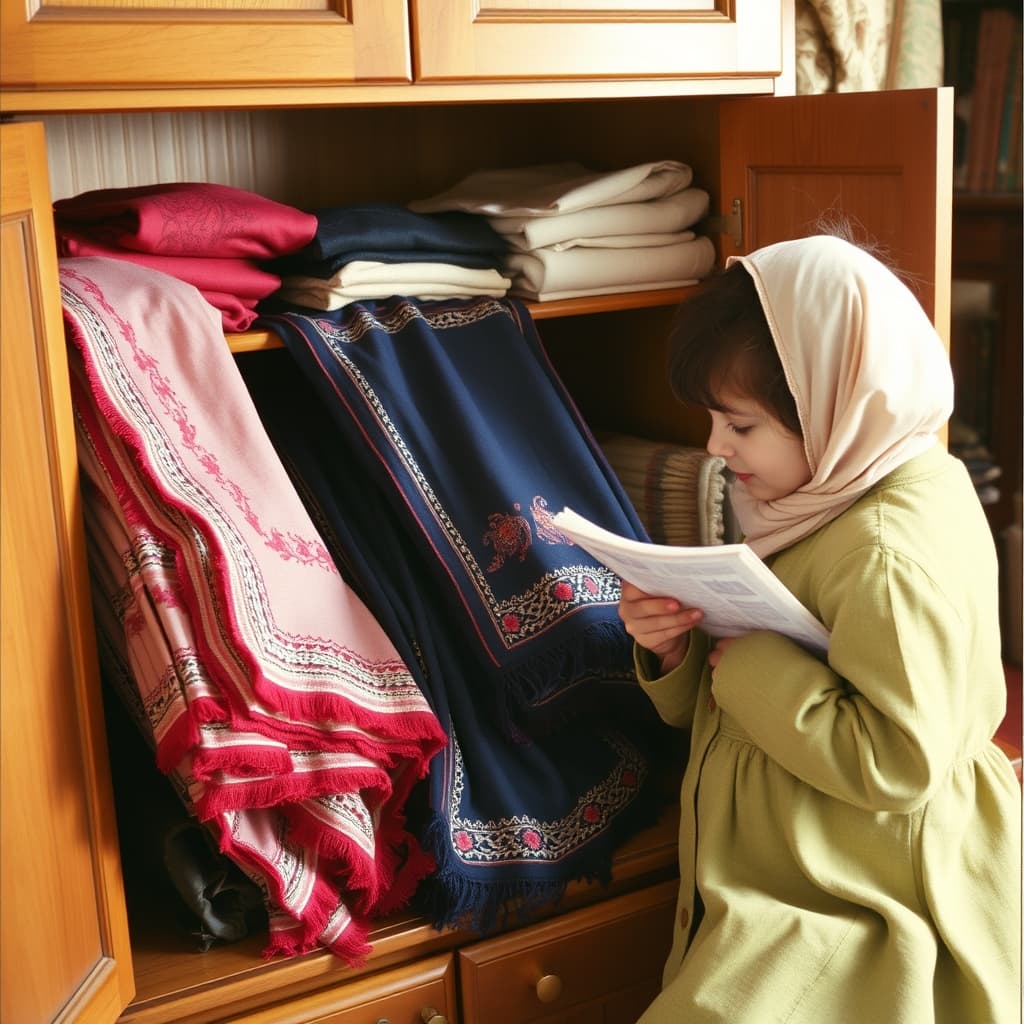
An embroidered headscarf bundle placed in the most visible corner of a sitting-room cabinet was more than stored cloth. Folded colours, needle-lace edges, and careful wrapping turned private handiwork into a family display. Visitors could recognise skill, gifts, relationships, and expectations without opening every layer. The bundle reflected taste through arrangement as much as through the textiles themselves.
Headscarves and their edging vary by region, period, fibre, print, technique, motif, use, and maker. Cotton, silk, synthetic blends, factory-printed cloth, crochet, needle lace, beadwork, and other methods may coexist. Terms and symbolic interpretations change locally. Material examination, family testimony, photographs, pattern knowledge, and provenance are safer than assigning a fixed universal meaning to a flower or colour.
The Edge Concentrated Skill
Needle lace can be built from repeated knots and loops, with tension controlling shape and durability. The maker selected thread, colour, motif, spacing, and the relationship between border and printed cloth. Small samples, unfinished pieces, thread cards, needles, and remembered counting phrases can reveal how knowledge was learned and transmitted.
The labour was time-consuming and often fitted around farming, paid work, caregiving, cooking, and other household duties. It could provide income, exchange, social recognition, or a gift for marriage and visits. Describing the result as delicate feminine instinct hides planning, hand strain, eyesight, market knowledge, and the hours required to produce consistent work.
Bundling Created a Family Statement
Textiles might be grouped by maker, recipient, event, colour, season, or anticipated future use. A wrapping cloth protected and also edited what visitors saw. The cabinet location signalled value, yet display could expose fibres to light, heat, dust, wood acids, cleaning products, and repeated refolding. Pride and preservation did not always point in the same direction.
Gift and dowry contexts require social care. Handmade pieces can carry affection and continuity, but they may also represent expectations placed on women and families, financial pressure, or work performed without recognition. An archive should record who made, paid for, gifted, displayed, used, or declined the textiles, leaving room for differing memories.
Textiles Remember through Damage as Well as Pattern
Fold lines, fading, stains, repairs, perfume, smoke, rusting pins, insect loss, and replaced edging show the bundle's life. Washing can make dyes bleed, shrink fibres, dissolve finishes, or distort lace. Household bleach, starch, fragrance, adhesive labels, and ironing at unknown temperatures can cause irreversible damage. Conservation advice should be fibre- and dye-specific.
Safe storage uses clean hands, stable support, suitable archival materials, controlled light, dry conditions, pest monitoring, and folds padded or changed when appropriate. Heavy beads should not pull on delicate cloth. Each scarf needs an identifier that does not pierce or permanently mark it. Original bundle order should be photographed before any rehousing.
Digitisation should capture the full scarf, front and reverse, edging, corners, repairs, scale, colour reference, and bundle sequence. High detail helps pattern research but does not replace the material object. Public access may need consultation when motifs, inscriptions, sacred associations, or family circumstances are sensitive. Credit belongs to named makers whenever evidence allows.
A Digital Nostalgia Archive can connect the bundle with tools, thread cards, pattern samples, shop receipts, cabinet photographs, gift lists, letters, and oral histories from makers and recipients. It reflected a period's taste because craft, display, family obligation, and modern printed cloth met in one visible corner. Preserving it means keeping beauty beside labour, social pressure, material change, provenance, and the voices of women whose hands formed each edge.