 Eski Pano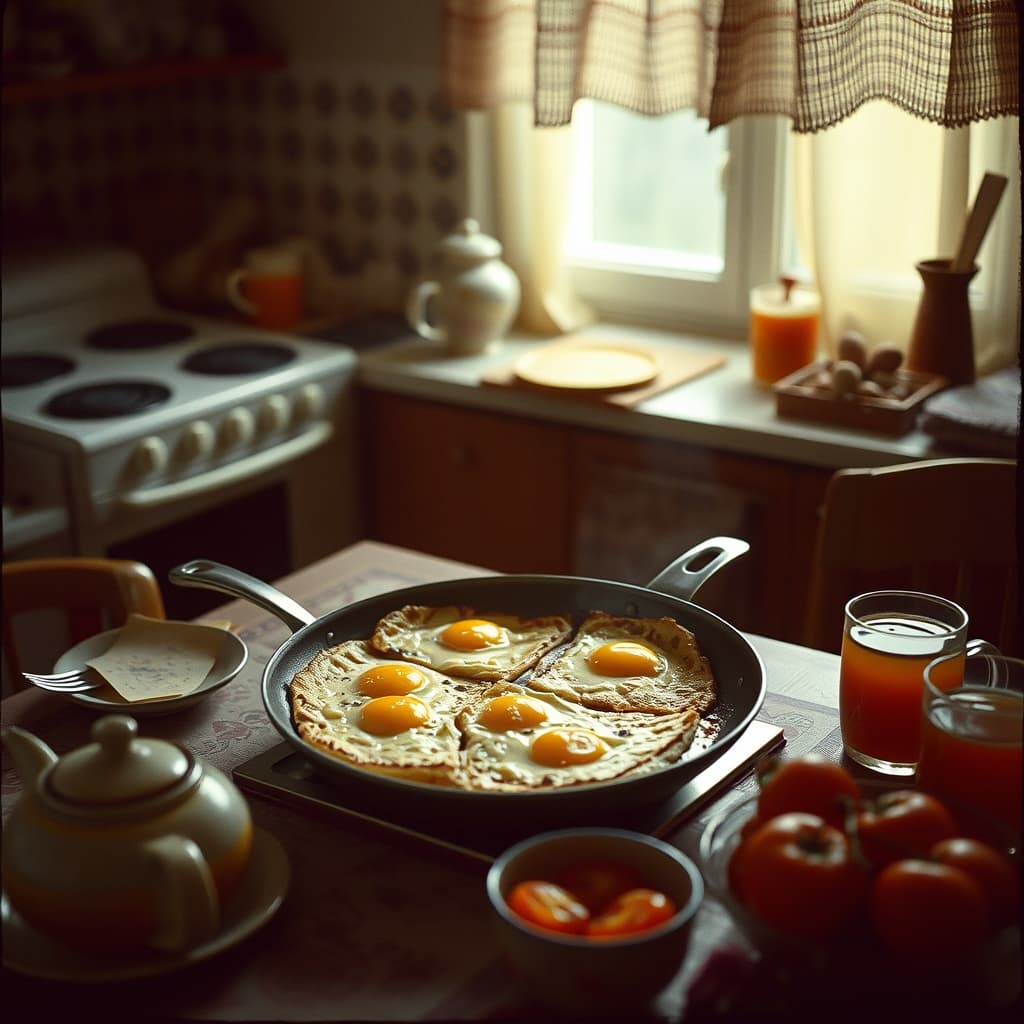
Eggy bread at sahur answered a question familiar to many households: how could yesterday's loaf become a warm meal before a long fasting day? Slices absorbed beaten egg, met a hot pan and returned crisp at the edges and soft in the centre. The smell travelled quickly through a quiet home, waking appetite before dawn.
Known in Turkish homes through names and methods that vary, yumurtalı ekmek is not one fixed formula. Some cooks add milk, cheese, pepper or herbs; others use only egg and salt. Bread thickness, dryness and crumb structure determine how much mixture it absorbs. A very fresh slice can collapse, while stale but sound bread often holds its shape.
Reuse Required Sound Ingredients
Using day-old bread reduced waste, but stale is not the same as spoiled. Bread with mould, unusual moisture or an off smell should be discarded completely; removing one visible patch is not safe because growth can extend inside. Eggs should be clean, properly stored and within a safe use period.
The mixture was prepared close to cooking time. Raw egg left warm for long periods increases risk. A shallow dish allowed even coating, while separate utensils reduced contamination between raw mixture and cooked slices. Any remaining egg that had contacted bread needed prompt cooking or disposal according to safe practice.
Pan Heat Determined Texture
Oil, butter or a combination changed flavour and browning. The pan had to be hot enough to set the coating without burning the outside before the centre cooked. Overcrowding lowered temperature and produced greasy, uneven results. Turning each slice once it released cleanly helped preserve the crust.
At sahur, speed mattered but so did noise and ventilation. Frying could wake sleeping family members and leave strong odours. Opening a window or using an extractor helped, although winter cold changed the choice. Hot oil required particular care in a dim, early-hour kitchen.
The Plate Balanced Appetite and the Coming Day
Eggy bread might be served with cheese, tomatoes, yoghurt, olives or tea. Salt and rich frying could increase thirst for some people, so families adjusted portions and accompaniments. Water and a broader balanced meal mattered more than the idea that one traditional dish could guarantee comfort through fasting.
The recipe also distributed labour. Someone woke first, prepared the pan and served slices while they were warm. Other family members might set the table or clean afterwards, but this sharing was not automatic. Recording who cooked prevents the meal from appearing without effort.
Serving order affected texture. Slices waiting in a covered stack softened from steam, while those left uncovered cooled quickly. Families chose between keeping everyone together at the table and delivering each piece at its crispest, a small compromise shaped by pan size and number of diners.
A Digital Nostalgia Archive can preserve family versions with bread type, egg ratio, pan, fat, accompaniments and number served. Ramadan moves through the seasons, so the hour, temperature and household routine change over years. Eggy bread earns its place in family memory because it joins thrift to immediacy. A loaf that seemed finished at night returned before dawn as a shared plate, provided careful hands could judge what was still good, how much the bread would absorb and when the pan had reached the right heat.