Eski Pano
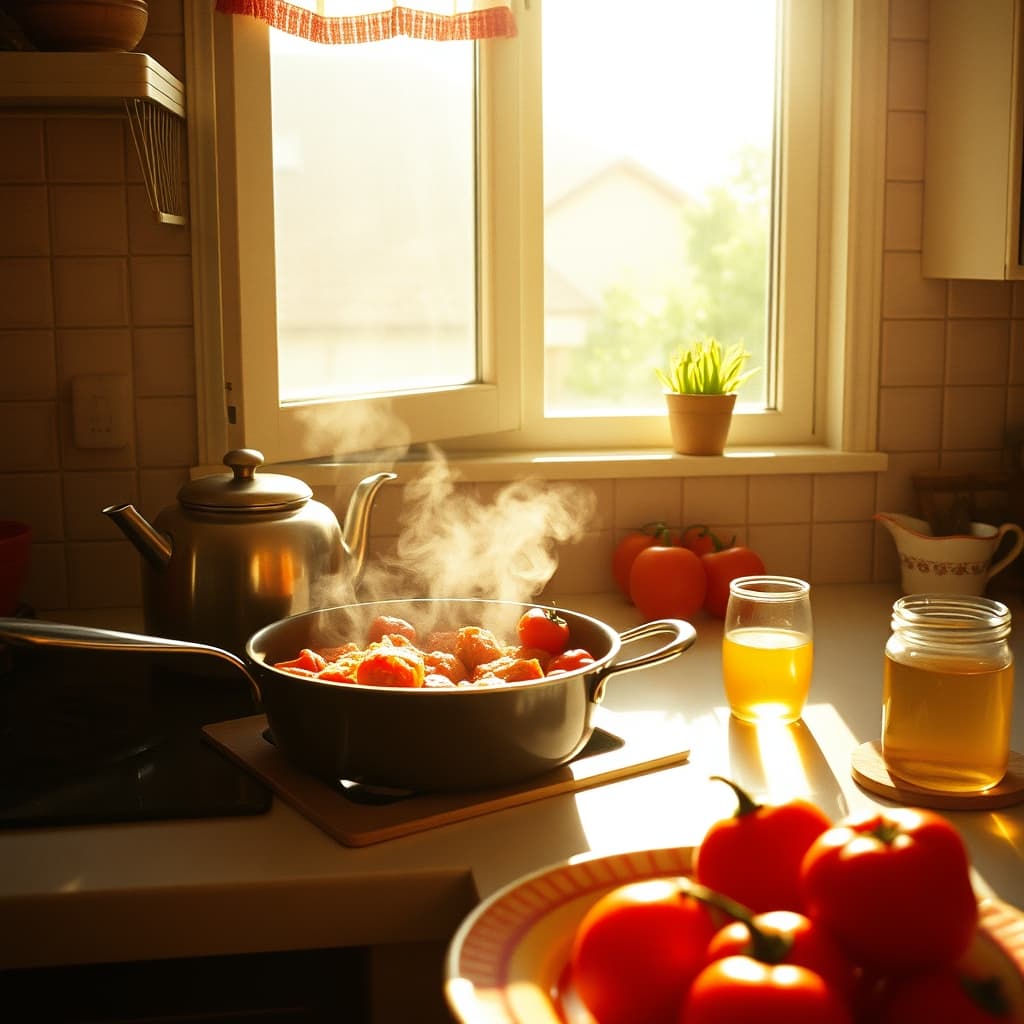
There was a time when entering the kitchen on a summer morning felt as though the season itself had fallen into the pan. Sun-warmed tomatoes stood on the counter, green peppers fresh from the market waited nearby, eggs rested on a plate, and a loaf of bread spilled from the basket, already promising the warmth of breakfast. As soon as it became clear that menemen would be made, the movement inside the house changed. One person chopped the tomatoes, another prepared the tea, another opened the balcony door to let the summer breeze in. As butter or olive oil heated in the pan, its aroma mixed with similar sounds and scents from neighboring kitchens, filling the morning of the whole street with a shared appetite. Summer menemen with tomatoes was not only a breakfast dish; it was the everyday language of seasonality, domestic abundance, and sharing.
Seen through the lens of taste memory, the real strength of menemen lies less in the simplicity of its ingredients than in the culture of sharing formed around it. The summer tomatoes often came from one garden, one holiday house, or the large shopping bags carried home from the market. The sentence, “Our garden gave too many tomatoes, we brought some for you,” shows that menemen entered the story of neighborliness even before it reached the pan. Once at the table, it was usually not divided into separate plates, but placed in the middle so that everyone could reach toward the same pan with bread. Children were said to love the yolk, elders the juicy part; some preferred onions, others wanted it plain, yet the same dish still united everyone at the same table. Part of a whole era’s culture of sharing became visible around this modest meal.
Another reason those menemen days are remembered is that they carried the rhythm of summer daily life. Tomato seeds, the smell of pepper, steam rising from the pan, and the sound of sparrows entering through the open window turned breakfast into a moment that stayed not only on the tongue, but in memory. In summer houses it might be served on a small balcony table; in the city, plates moved quickly between kitchen and sitting room, showing that although the setting changed, the feeling remained the same. Sometimes a relative arrived unexpectedly and a few more tomatoes were added to the pan; sometimes children shared the last bite with the end of a loaf. Menemen was not a story of scarcity, but of measured abundance: the delicious art of making what was available enough by sharing it well.
Menemen is still cooked today, yet the longing for those older summer mornings does not come only from the recipe. What is truly missed is the way seasonal ingredients gathered people naturally around the table and made that table feel open. Summer menemen with tomatoes reminds us that food does more than satisfy hunger; it also carries neighborliness, family closeness, and everyday generosity. A period’s culture of sharing is sometimes felt more clearly in this simple pan placed in the middle than at grand holiday feasts. That is why the memory of menemen lives on not only in the taste of tomatoes, but in the dividing of bread, the refilling of tea, and the warm sense of togetherness formed around the table.
The shared language of menemen also drew everyone into the kitchen without strict hierarchy. Children lined up slices of bread, an elder separated tomato skins, and someone else filled the tea glasses, showing that preparing the meal was itself a collective act. The rush of a summer morning was not harsh, but gentle; everyone contributed something small, and conversation grew as the food cooked. Perhaps that is why menemen is remembered not only as something eaten, but as a quiet domestic agreement prepared and consumed together. A culture of sharing is often understood best around such simple pans.
Days of Summer Menemen with Tomatoes: How It Carries a Period's Culture of Sharing