 Eski Pano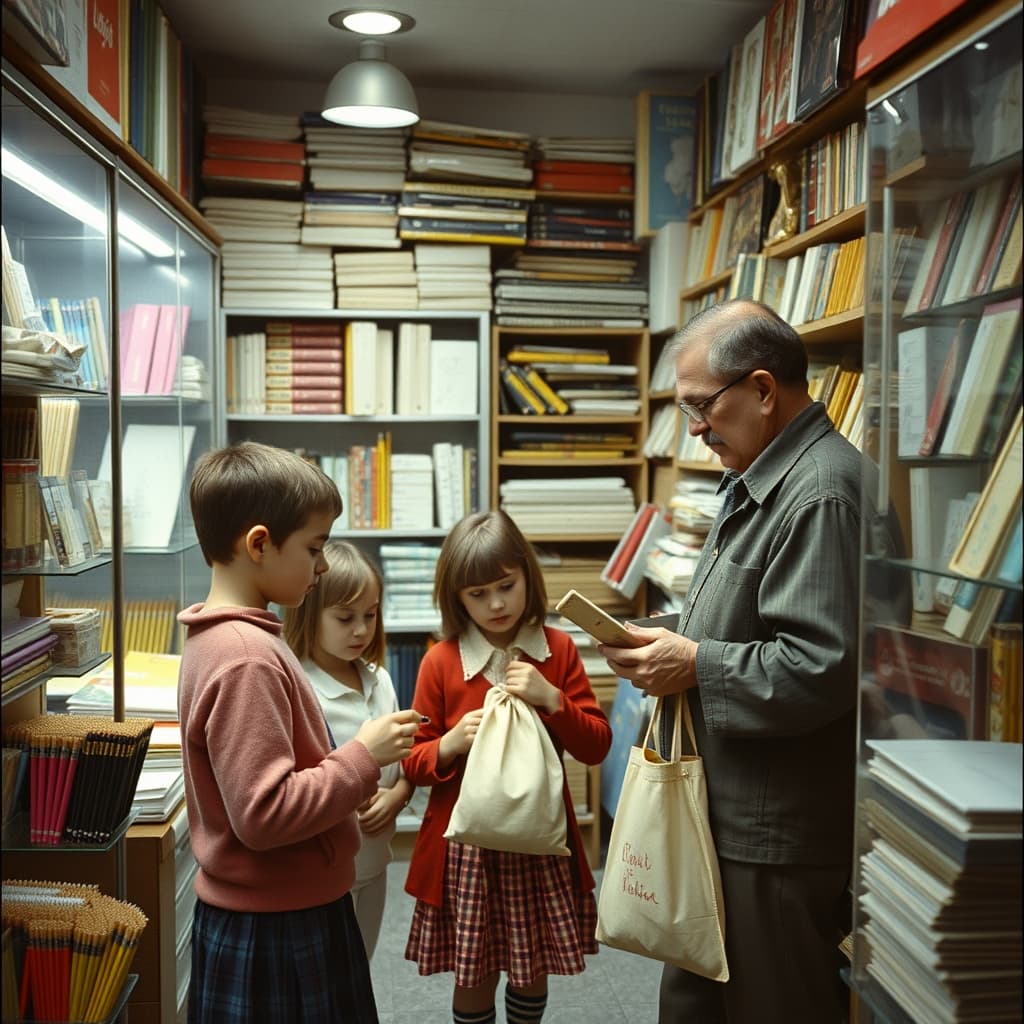
A corner stationery shop could hold a child's attention far longer than the purchase required. Pencils differed in hardness and colour, notebooks in ruling and paper, erasers in smell and texture, and display cases offered compasses, labels, ink, sharpeners, rulers, transfers, and cards. Looking closely at those materials became an informal lesson in how marks, folds, measurements, and objects were made.
Stationery shops varied with neighbourhood, school calendars, import rules, local manufacturing, income, and decade. Some combined books, newspapers, toys, photocopying, lottery tickets, or office supplies; others focused on classroom lists. Product names and memories should be checked against catalogues, receipts, packages, school documents, advertisements, and shopkeeper testimony rather than treated as a universal childhood inventory.
Choosing Materials Was a Form of Design Education
A child learned that a soft pencil made a darker line, thin paper showed ink through, squared pages organised numbers, and a blunt blade damaged cardboard. Shopkeepers or older students sometimes explained which brush suited watercolour, which glue held paper, or why a compass needed a sharp point. These practical comparisons made material properties visible before formal design vocabulary arrived.
Small budgets sharpened decisions. A customer might choose one good pencil, buy a few sheets rather than a pad, save for a fountain pen, or compare domestic and imported goods. This could teach care and repair, but scarcity also caused embarrassment and exclusion. A nostalgic display should not imply that every child could afford the attractive item behind glass.
School Lists Connected the Shop to Institutions
At the start of term, lists turned family budgets into urgent shopping routes. Teachers' requirements, exam formats, textbook changes, uniform rules, and school projects shaped stock. A missing notebook size or technical instrument could create anxiety. Shopkeepers anticipated demand, offered substitutes, reserved items, or extended informal credit, while carrying the financial risk of unsold seasonal goods.
Children sent alone gained route knowledge and confidence, yet busy streets, heavy bags, spending pressure, and age-restricted or hazardous products required care. Shop staff were not automatic guardians, and browsing children could be watched with suspicion. Oral history should include welcoming encounters and moments of shame, impatience, discrimination, or being unable to buy.
The Colourful Counter Depended on Long Labour
Someone ordered stock, unpacked boxes, priced hundreds of small items, managed returns, repaired display fittings, answered school-list questions, kept accounts, cleaned dust, and worked extended seasonal hours. Family members, including women and older children, might contribute without appearing on the sign. Photocopying and print services added toner, paper dust, machine heat, maintenance, and copyright questions.
Historic stationery can contain risks. Old inks, correction fluids, solvent glues, paints, plastics, scented erasers, metal points, cutting tools, and degraded batteries should not be handed to children without assessment. Products now recalled or restricted should be preserved behind suitable barriers. Current non-toxic standards, ventilation, supervision, age guidance, and allergen awareness take priority in workshops.
Packaging, price labels, shelf order, sample marks, and worn demonstration objects are strong archival evidence. Documentation should record manufacturer, date range, material, place of purchase, school use, owner, and uncertainty. A pristine unused pencil tells a different story from a shortened one with bite marks and a carefully written name; both belong, but consent and privacy matter when identifying children.
A Digital Nostalgia Archive can connect the stationery shop with school lists, notebooks, product catalogues, invoices, display photographs, creative projects, shop ledgers, and interviews with customers and workers. Its lasting place in childhood memory came from turning possibility into material choice. Preserving it means keeping wonder beside unequal budgets, institutional demands, long retail labour, product safety, copyright, and the knowledge children built by comparing things with their own hands.