 Eski Pano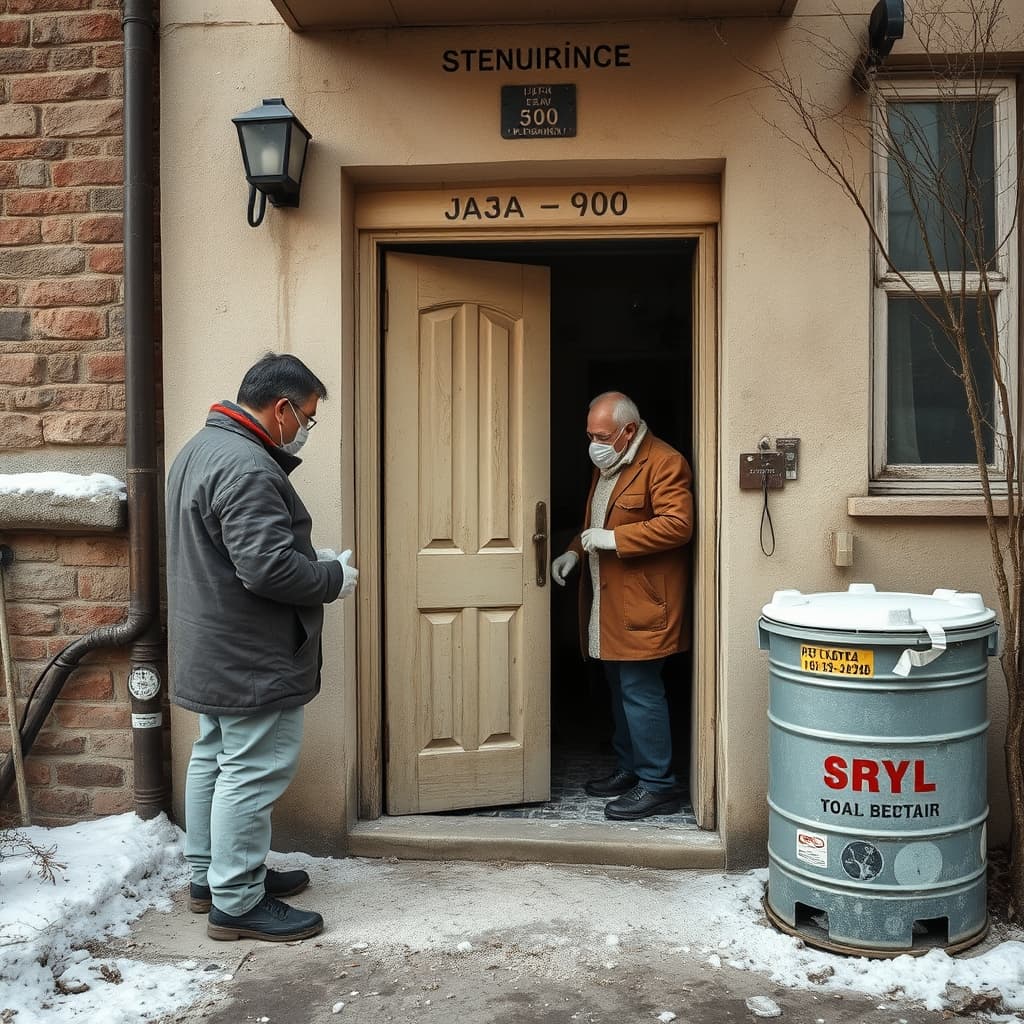
At the beginning of spring, an apartment entrance could still carry the smell of its coal cellar even when the stove was used less often. The scent was not simply a warm reminder of winter. It marked a transition: remaining fuel had to be assessed, dust had settled along a shared route and the storage space was about to change from active supply point to a quieter part of the building.
Buildings, fuels and storage arrangements differed. Some cellars connected directly to an entrance; others were separated. Ventilation, damp and delivery routes shaped the smell. A particular memory should identify the building layout rather than presenting every older apartment as coal-scented.
Leftover Fuel Became a Planning Question
Households had to decide what remained and how it would be kept. Too little could be a concern if cold weather returned; too much occupied space until another season. These decisions linked weather uncertainty, household budget and storage capacity. Exact practices should come from testimony or records, not assumption.
The coal cellar was also a boundary between private fuel and shared circulation. Sacks and containers passed through areas used by neighbours. Marks on walls or floors can document this route, though they cannot identify who made a particular stain.
Spring Cleaning Reached the Entrance
As use slowed, sweeping and wiping made winter’s material residue visible. Dust could reappear after a first pass or move into corners, stairs and door tracks. Someone had to perform that work, supply water or tools and decide when the shared area was clean enough. The pleasant language of renewal can hide unequal labour.
Cleaning coal residue requires attention to health, building condition and current safety guidance. Historical memories of dry sweeping or improvised methods should not be repeated as instructions. An archive can preserve what people recall while clearly separating past practice from safe present-day handling.
A Shared Smell Did Not Mean Shared Affection
One resident might associate the entrance with home; another with dirt, breathing discomfort or work. Children could recognise the smell as part of returning indoors, while the person responsible for cleaning experienced it differently. Neighbourhood memory becomes more precise when it allows several responses to the same air.
Disagreement over open doors, stored sacks or cleaning duties also belonged to apartment life. Cooperation existed, but it was negotiated rather than automatic. A hallway was warm in memory because people encountered one another there, not because coal dust itself created community.
Document the Seasonal Change
A building history can map cellar door, delivery route, stairs, ventilation and cleaning area. Photographs should avoid exposing current security details or residents. Oral history can ask when deliveries stopped, who managed the remaining fuel and what sign marked the beginning of spring cleaning.
Receipts, maintenance notes and building plans can support testimony. Each has limits: a fuel bill does not show smell, and a memory of dust does not establish quantity. Keeping them together without collapsing their meanings creates a stronger record.
The coal-cellar entrance deserves preservation as a seasonal workplace, not a scented postcard. It connected winter heating to shared architecture and then demanded a spring reckoning with what remained. Its memory holds warmth, dust, negotiation and cleanup in the same narrow passage—and that mixture explains why the scene could feel intimate without ever being simple.