 Eski Pano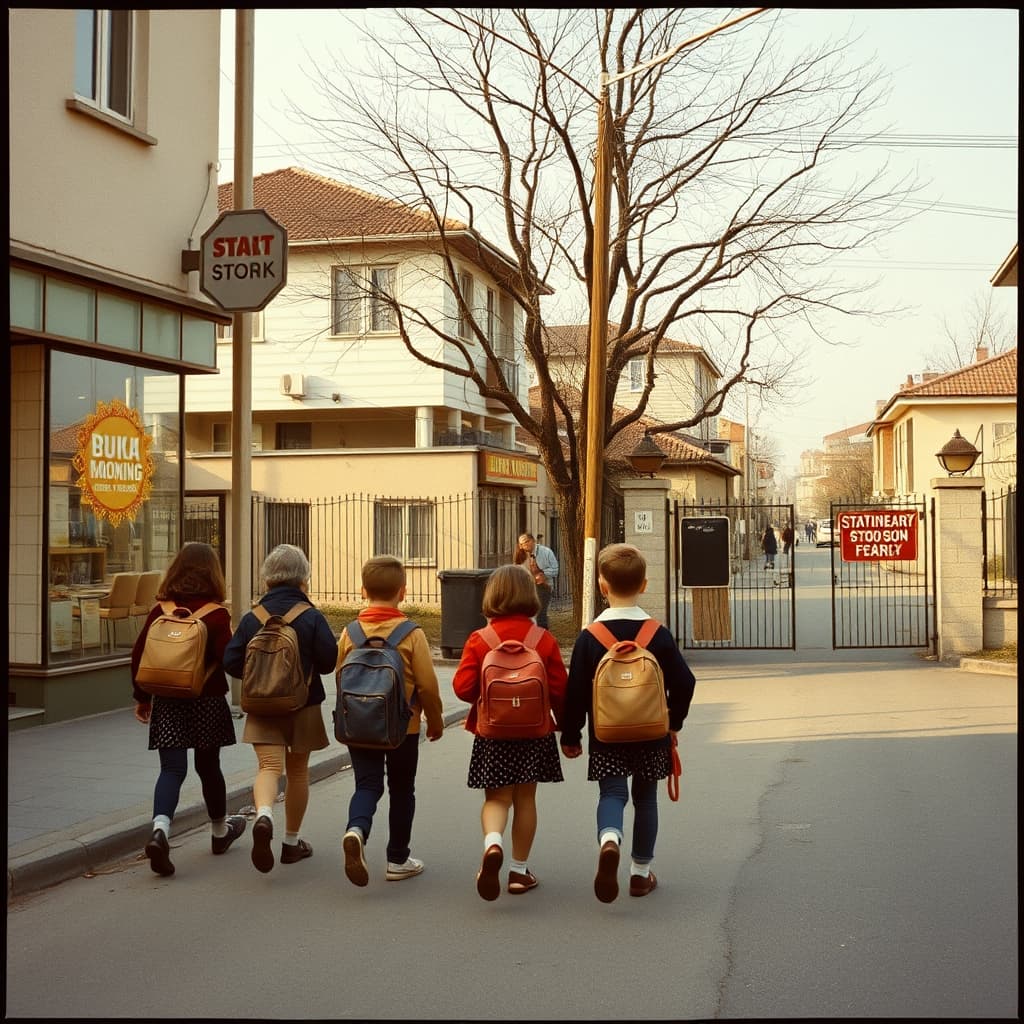
Before the first school bell, a new term could be heard across the city. Shop shutters opened early, buses filled with children and caregivers, shoes hurried over pavements, and stationery lists emerged from pockets. In older neighbourhoods, the excitement moved between homes, tailors, bookshops, grocers, barbers, transport stops, and the school gate. Education began before anyone entered a classroom.
The first day differed by decade, city, school type, age, household income, and public policy. Uniform requirements, registration systems, textbooks, transport, calendars, and class sizes changed over time. A photograph of children carrying bags may not identify the school or year. Enrolment records, school reports, shop invoices, newspapers, route maps, and oral histories provide stronger context.
Preparation Reorganised the Household
Someone checked clothing, repaired hems, covered books, labelled notebooks, found documents, planned breakfast, and calculated departure time. Older siblings might guide younger ones, while parents adjusted work and caregiving. This labour was frequently concentrated on mothers and women relatives. Recording only a child's anticipation hides the planning that made punctual arrival possible.
School expenses could strain a family budget. Bags, shoes, uniforms, stationery, transport, meals, and unofficial expectations accumulated even where education itself was publicly provided. Hand-me-downs, repaired items, community support, and credit from familiar shops helped some households. They also reveal unequal access. Nostalgia for a new pencil case should leave room for children who began the term without one.
The Route Was Part of the School Day
Children travelled on foot, by bicycle, public bus, service vehicle, ferry, tram, or family car depending on place and period. Safe crossings, pavements, lighting, traffic speed, weather, and adult supervision mattered. A route remembered as independent adventure might also have included dangerous junctions, harassment, overcrowding, or barriers for disabled pupils.
Modern planning can learn from those routes without reproducing risk. Clearly marked crossings, accessible pavements, reliable transport, trained school-service drivers, visible entrances, and safe waiting areas protect children. Families should know collection arrangements and emergency contacts. Posting a child's identifiable route or school schedule publicly creates privacy and security concerns.
The School Gate Formed a Small Economy
Vendors and nearby shops aligned opening times with arrival and dismissal. Simit, milk, fruit, stationery, shoe repair, photocopying, and later packaged snacks met practical needs. Licensing, food hygiene, traffic management, fair pricing, and protection from exploitative sales were important. A familiar seller could provide continuity, but familiarity did not replace safety standards.
The bell itself organised more than lessons. It separated arrival, class, break, and departure while reaching nearby residents and businesses. Bell systems varied from hand bells and mechanical devices to electric buzzers and recorded tones. Loudness and frequency affect students, staff, neighbours, and people sensitive to sound. Accessible visual or tactile signals may be needed alongside audio.
For some children, a new term brought friendship and possibility; for others it brought anxiety, separation, bullying, language difficulty, inaccessible buildings, or pressure to perform. Teachers, counsellors, administrators, families, and peers shaped whether excitement became belonging. A historical account should include absence, dropout, seasonal work, migration, and students whose names never entered celebratory photographs.
A Digital Nostalgia Archive can connect school bags, uniforms, lists, report cards, bell recordings, shop ledgers, transport maps, class photographs, and testimonies from pupils, caregivers, teachers, drivers, and vendors. The pre-bell rush remains vivid because a whole neighbourhood helped move children toward a threshold. Preserving it means keeping joy beside cost, independence beside safety, and the first-day portrait beside the labour and public systems outside its frame.