 Eski Pano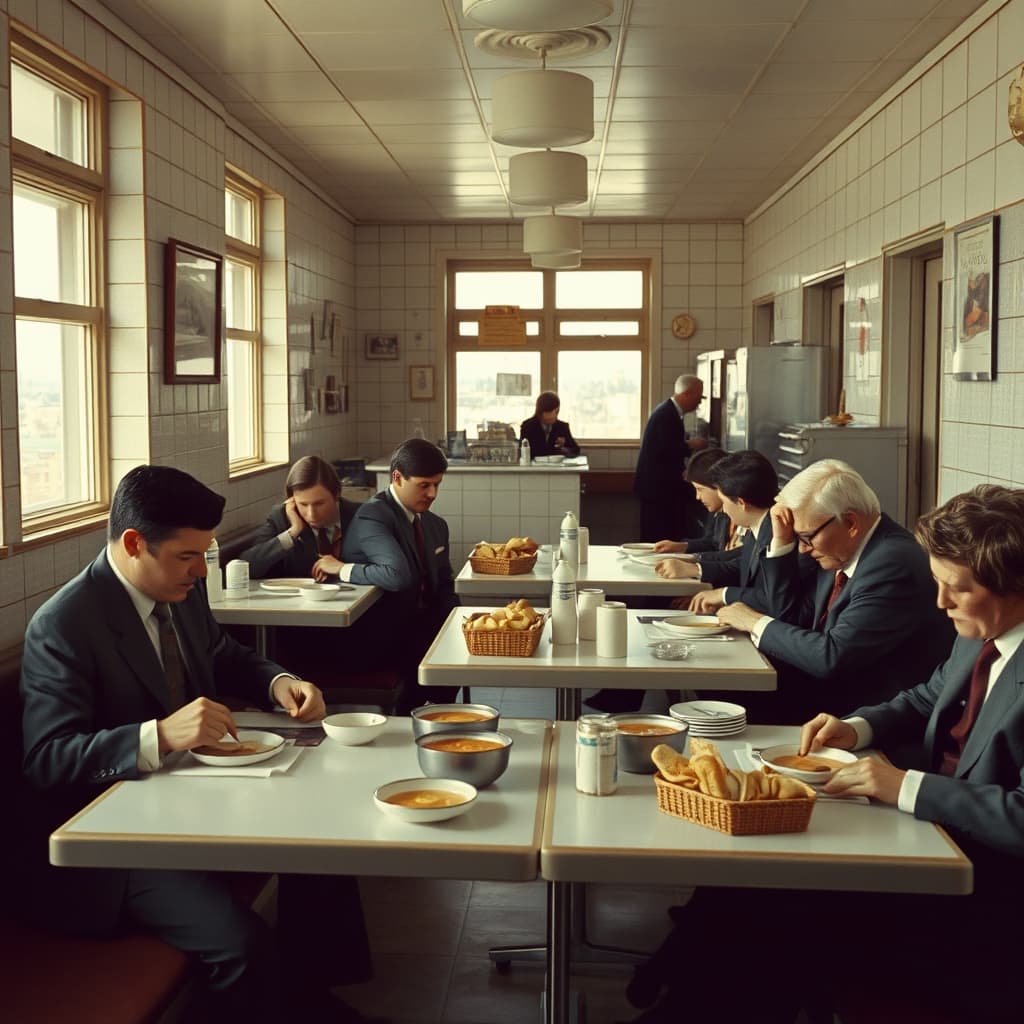
City restaurants once gave shape to the middle of the working day. Around noon, clerks, teachers, bank employees, and shop workers stepped into the same modest rooms and trusted the same daily menu. The meal was not luxurious, yet it carried the comfort of order.
A Lunch Hour That Organized the City
These restaurants worked like quiet clocks. Soup arrived first, bread was shared without asking, and the main dish came with the speed of a place that knew its regulars. People did not need long explanations. They sat, ate, paid, and returned to offices with the steady feeling that the day had been held together.
The Memory of Modest Tables
What made those lunches memorable was their modesty. A plate of beans, rice, meatballs, or stew could become the center of a social rhythm. Familiar waiters remembered preferences, tables changed hands quickly, and the same faces appeared almost every day. The restaurant became part of the city's muscle memory.
Why the Trace Remains Deep
The trace remains because these places joined work, appetite, and belonging. They taught people that the city could feed them without ceremony. Even after the lunch hour ended, the smell of soup, polished metal trays, and coastal return light stayed in memory like a warm mark from an ordinary day.