 Eski Pano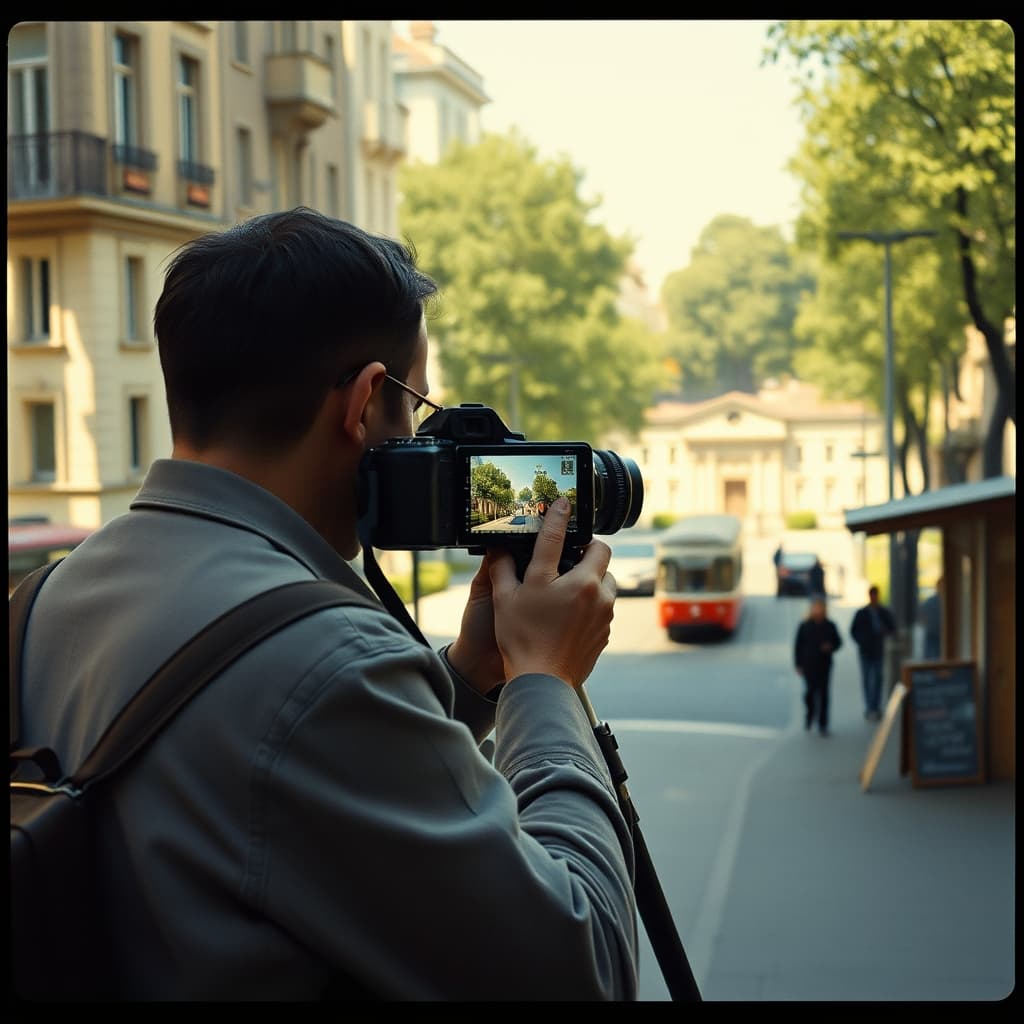
A city photographer did more than wait for a picturesque afternoon. To make an image suitable for a postcard, the photographer studied the direction of light, pedestrian traffic, weather, trees, monuments, transport, and the hour when a familiar street looked unusually composed. A successful negative could become a view through which distant readers imagined a place they had never visited.
Practices varied across cities and decades. Some photographers worked for publishers; others ran portrait studios, sold prints to stationers, or accepted municipal and tourist commissions. Glass plates, sheet film, roll film, and later colour transparencies required different equipment and processing. A postcard's printed date may be later than the exposure, so format, publisher marks, postmarks, architecture, and vehicles all matter.
The Season Changed the Available City
Summer offered long light, open promenades, leafy squares, excursions, and busy waterfronts. Winter could reveal building façades behind bare branches or turn rain and snow into atmosphere. Photographers returned to the same viewpoint because shadows moved, streets were resurfaced, signs changed, and crowds behaved differently. Seasonal beauty was partly observation and partly careful scheduling.
Exposure imposed practical limits. Slow materials made moving people disappear, blur, or remain as faint traces. Tripods and large cameras encouraged fixed viewpoints, while portable cameras allowed faster street work. Retouching, cropping, hand colouring, and printing contrast could clean the sky, intensify foliage, or remove distractions. A postcard is therefore evidence of a place and of decisions made after the shutter closed.
A Saleable View Left Things Outside
Publishers favoured landmarks, broad avenues, parks, transport terminals, and scenes that supported a city's desired identity. Workshops, overcrowded housing, waste, policing, informal labour, and construction disruption were less likely to appear unless marketed as local colour. Even an apparently candid street scene could be timed, directed, or selected from several negatives. The attractive view deserves attention, but not automatic trust.
People inside the image raise further questions. Street sellers, porters, children, soldiers, and residents might be photographed without meaningful consent by modern standards. Captions sometimes reduced communities to stereotypes or used outdated names. Archivists should preserve the original wording as historical evidence while adding respectful current description, identified names where verified, and context about power and representation.
Circulation Gave the Photograph a Second Life
Once printed, a photograph travelled through kiosks, hotels, railway stations, letters, and family albums. The message, stamp, address, and postmark connected the public view on the front to a private journey on the back. Reprints might alter borders, captions, colours, or publisher credit. Comparing editions can reveal how one city image was repackaged for new audiences.
Preservation begins with both sides of the card, high-resolution capture, dimensions, process, publisher, photographer, postmark, transcription, and provenance. Faded curtains or demolished buildings in the background may date the scene as effectively as a monument. Digital copies should retain colour targets and unedited masters; physical cards need stable sleeves, dry storage, and protection from prolonged light.
A Digital Nostalgia Archive can connect postcards with negatives, studio ledgers, maps, planning files, newspapers, oral histories, and present-day repeat photography. City photographers opened a deep line in urban memory because they made selected moments portable. Reading those moments well means admiring the seasonal light while also asking who commissioned the view, what changed in reproduction, and what remained beyond the frame.