 Eski Pano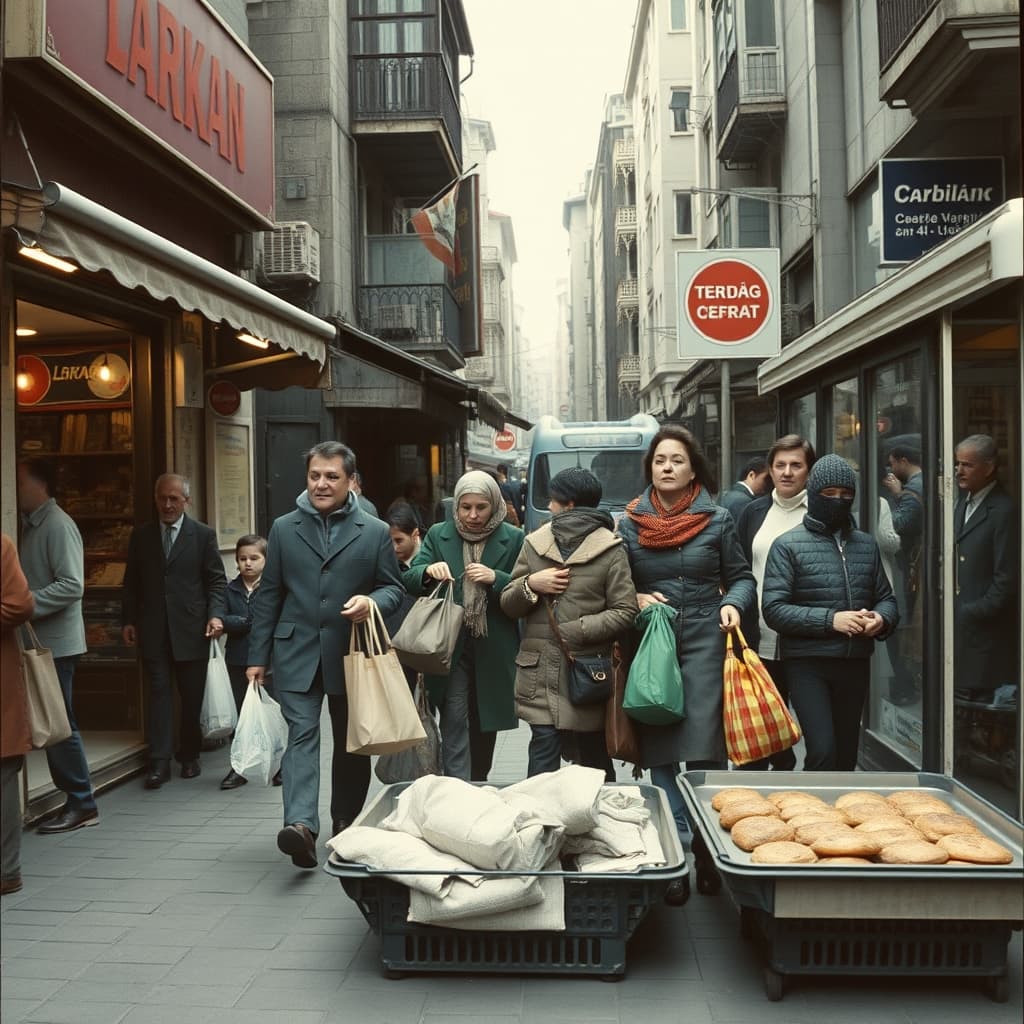
On the eve of Bayram, ordinary city routes acquired urgency. Shoppers compared sweets, children waited for haircuts, ovens worked through trays and travellers watched departure boards. Preparation spread across homes, markets, cemeteries, workshops and transport hubs. The city seemed to move towards one morning, although people entered that movement with very different resources.
The Turkish word arife carries the sense of the day before a religious festival, but practices vary across families, regions and particular Bayrams. Cleaning, cooking, shopping, visiting graves, giving charity and travelling may all form part of the day. No single street scene represents every household.
Markets Converted Lists into Loads
Spices, sugar, coffee, meat, vegetables, cologne, sweets and clothing could turn a handwritten list into several heavy bags. Prices, freshness and household budgets required decisions. Last-minute demand extended queues and working hours. Porters, delivery workers and cleaners kept goods and people moving through crowded passages.
Food safety mattered under pressure. Perishable purchases needed timely refrigeration, and crowded counters still required hygiene. Buying more than a household could store or use created waste. Hospitality was expressed through abundance, but practical planning protected both guests and workers.
Personal Preparation Filled Small Businesses
Barbers, hairdressers, tailors, shoe repairers and bathhouses often experienced concentrated demand. A haircut or repaired shoe helped people feel ready for visits, yet the person providing the service might remain at work late into the night. Bakers and confectioners managed heat, repeated lifting and strict timing while customers anticipated celebration.
Inside homes, cleaning, ironing, cooking and arranging gifts were unevenly distributed, frequently falling on women. Children might be given small tasks, while older relatives supervised recipes or prepared money and sweets for visitors. Describing the bustle without naming this labour turns preparation into magic.
The Eve Connected Memory, Travel, and Obligation
Cemetery visits linked celebration to remembrance. Families cleaned graves, offered prayers and navigated increased traffic. Respectful documentation should avoid photographing mourners intrusively. Public services also carried extra responsibility for transport, sanitation, policing and emergency care.
Public space carried visual signs of the approaching holiday. Shop windows changed, pavements filled with temporary displays and neighbourhood notices announced service times. These additions could narrow already crowded routes. Keeping ramps, entrances and crossings clear was particularly important for disabled residents, older people and anyone pushing a pram or cart.
Terminals and roads revealed another side of the eve. Tickets sold out, luggage multiplied and delays tested patience. Not everyone could travel, take leave or afford gifts. Migrants, shift workers, isolated people and those in grief might experience the collective excitement as absence rather than joy.
A Digital Nostalgia Archive can preserve market receipts, transport tickets, shop schedules, recipe lists, street photographs and oral accounts from workers as well as customers. Dates should identify which Bayram is remembered, since seasons and customs affect the scene. The eve remains central to old-city memory because it compressed social expectation into visible action. Its honest history includes polished shoes and sweet trays, but also tired hands, crowded buses and the quiet calculation required to make a public celebration possible.