 Eski Pano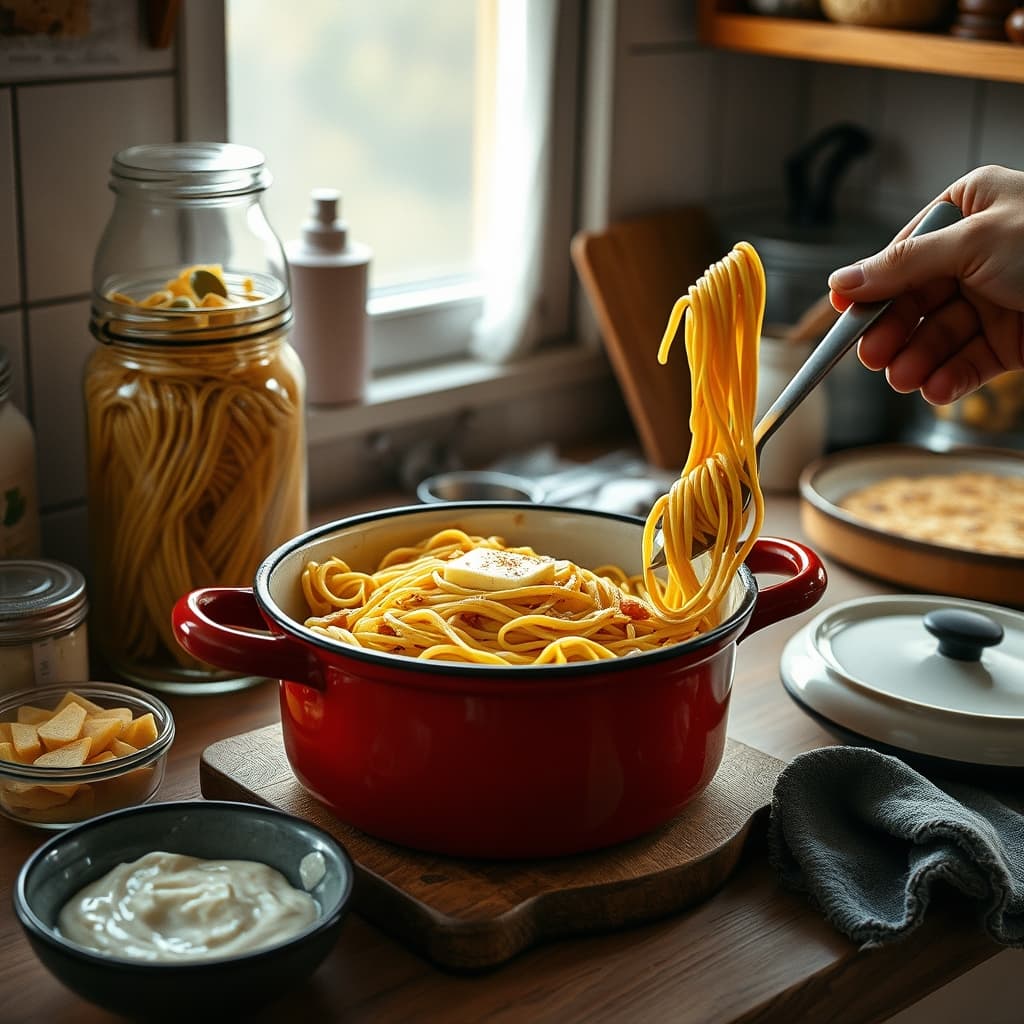
Butter noodles gained particular meaning when one season leaned into another. Fresh produce might be changing, evenings becoming cooler and the household turning towards pantry foods prepared earlier. A pot of erişte offered speed at the stove, but that convenience rested on flour, eggs, kneading, cutting, drying and storage already completed.
Turkish erişte varies in width, length, thickness and ingredients. Some households make it collectively at the end of summer; others buy it from a market or producer. Milk, egg or water proportions differ. The name does not describe one universal noodle, and the way it is cooked reflects local habit as well as the particular batch.
Drying Determined Storage Quality
Freshly cut strips needed air circulation and enough space to lose moisture evenly. Thick piles trapped dampness, encouraging mould. Clean cloths or suitable food-safe surfaces reduced contamination. Weather affected the process: high humidity slowed drying, while dust and insects required protection without blocking airflow.
Before storage, noodles had to be fully dry and cool. Glass jars, cloth bags or other containers were chosen according to climate and household practice. Regular checks for moisture, insects and unusual odour protected the pantry. A nostalgic preparation method is not safe merely because it is old; cleanliness and dry storage remain essential.
Butter Required Attention at the Pan
Butter could be melted and foamed before meeting the cooked noodles. Gentle browning developed nutty aromas as milk solids changed colour, but the distance between fragrant and burnt was short. Pan material, heat and quantity affected control. Some cooks added cheese, walnuts or spices; others kept the dish plain so the noodle and butter remained central.
Cooking liquid and draining shaped texture. Noodles could be boiled until tender, toasted before liquid was added or finished by another regional method. Salt in the dough, water and accompaniments needed to be considered together. Butter added richness but did not remove the need for balance.
A Simple Plate Carried Earlier Labour
The meal suited days when schedules shifted with school, harvest, travel or weather. It could accompany yoghurt, pickles, soup or a vegetable dish. Portions were easy to adjust, and pantry access reduced shopping. Yet calling it effortless erases the seasonal gathering during which dough was rolled, sliced and laid out to dry.
The cooking water could also be used deliberately. A small amount retained before draining helped loosen a dry pan and distribute butter, while excessive water weakened the toasted character. Serving immediately preserved aroma. If the family ate at different times, keeping portions separate avoided repeatedly holding the entire dish at lukewarm temperature.
Leftovers should be cooled promptly and refrigerated, especially when the noodles contain egg or are mixed with dairy. Reheating only the needed portion preserves quality and reduces repeated temperature changes. Butter and pasta are energy-dense, so serving size and the wider meal matter more than nostalgia suggests.
A Digital Nostalgia Archive can record flour type, dough ratio, cutting tool, drying arrangement, storage vessel and the number of people involved. Photographs of flour-covered tables and handwritten quantities preserve the social organisation behind the food. Butter noodles remain comforting at seasonal transitions because they connect two times: the earlier day when a household prepared for future need and the cooler evening when that stored work returned as a warm, quickly served plate.