 Eski Pano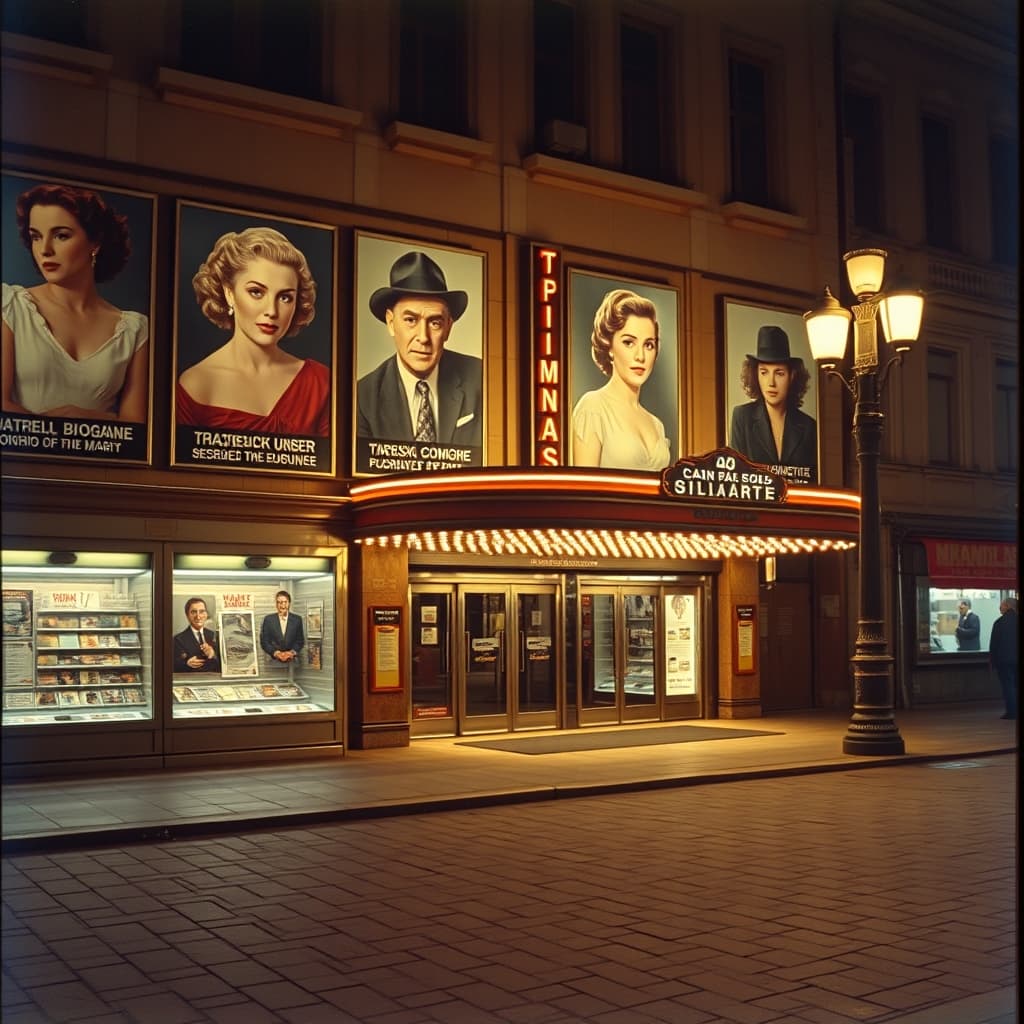
Before a film entered the projector, it entered the street through a poster. Large faces, painted titles and dramatic colours transformed a cinema frontage into an invitation visible beneath street lamps. Passers-by slowed to inspect the stars, compare session times and decide whether the promise on paper justified the ticket price. The building began performing before its doors opened.
Urban cinemas differed in scale and style. Some occupied grand halls with balconies and foyers; others fitted into narrower neighbourhood buildings. Their posters could be printed, hand-painted, locally adapted or assembled with still photographs. Calling every old venue a “palace” risks flattening this variety. Each cinema needs its own address, dates, owners and programme history.
The Poster Was Advertising and Street Furniture
Display cases protected paper from weather and allowed staff to change materials between programmes. Lettering had to be legible at walking distance. Portraits enlarged actors beyond ordinary scale, while genre cues signalled romance, comedy, melodrama or action. Censorship rules, distributor materials and local taste shaped what appeared.
Surviving posters often show folds, pinholes, paste, trimming and sun fading. These marks reveal use. Aggressive restoration can erase evidence of how a poster was mounted or reused. Collectors should document dimensions, printer information, distributor stamps and the cinema from which an example came before framing it as decoration.
The Pavement Organised Anticipation
Queues formed near the ticket window, creating a temporary social order. Friends saved places, families checked the correct session and late arrivals negotiated remaining seats. Street sellers benefited from the crowd, while traffic and narrow pavements created pressure. Ushers and ticket staff moved audiences from public space into the timed interior.
Access was not equal. Ticket cost, programme content, age restrictions and social expectations influenced who attended. Women, children and poorer residents experienced the cinema street differently. A lively queue could also block a doorway or disturb neighbouring shops. The glamour of posters rested inside everyday urban negotiation.
Projection Work Completed the Promise
Inside the booth, operators threaded reels, focused the image, managed sound and changed over between sections. Film prints arrived with scratches or repairs and could break during screening. Ventilation, electrical safety and fire precautions were serious responsibilities, particularly with older equipment and materials.
After the final scene, cleaners, ushers and projectionists remained while the audience returned to the street. The posters continued glowing outside, now interpreted through the film people had actually seen. Reviews began immediately in doorways and on the walk home.
A Digital Nostalgia Archive can connect posters to programmes, tickets, building plans, censorship records, projection equipment and testimony from workers and audiences. High-resolution scans should preserve edges and reverse-side marks, not only the artwork. Night buses, ferries and walking routes also influenced which final session people chose. A beautiful programme was of little use if the audience could not return home safely. Transport timetables therefore belonged to the cinema experience as surely as ticket prices and projection times.
The cinema frontage remains vivid because it joined image, architecture and pedestrian movement. Under street lamps, the poster did more than advertise a story: it temporarily reorganised attention, making an ordinary pavement feel like the threshold of another world.