 Eski Pano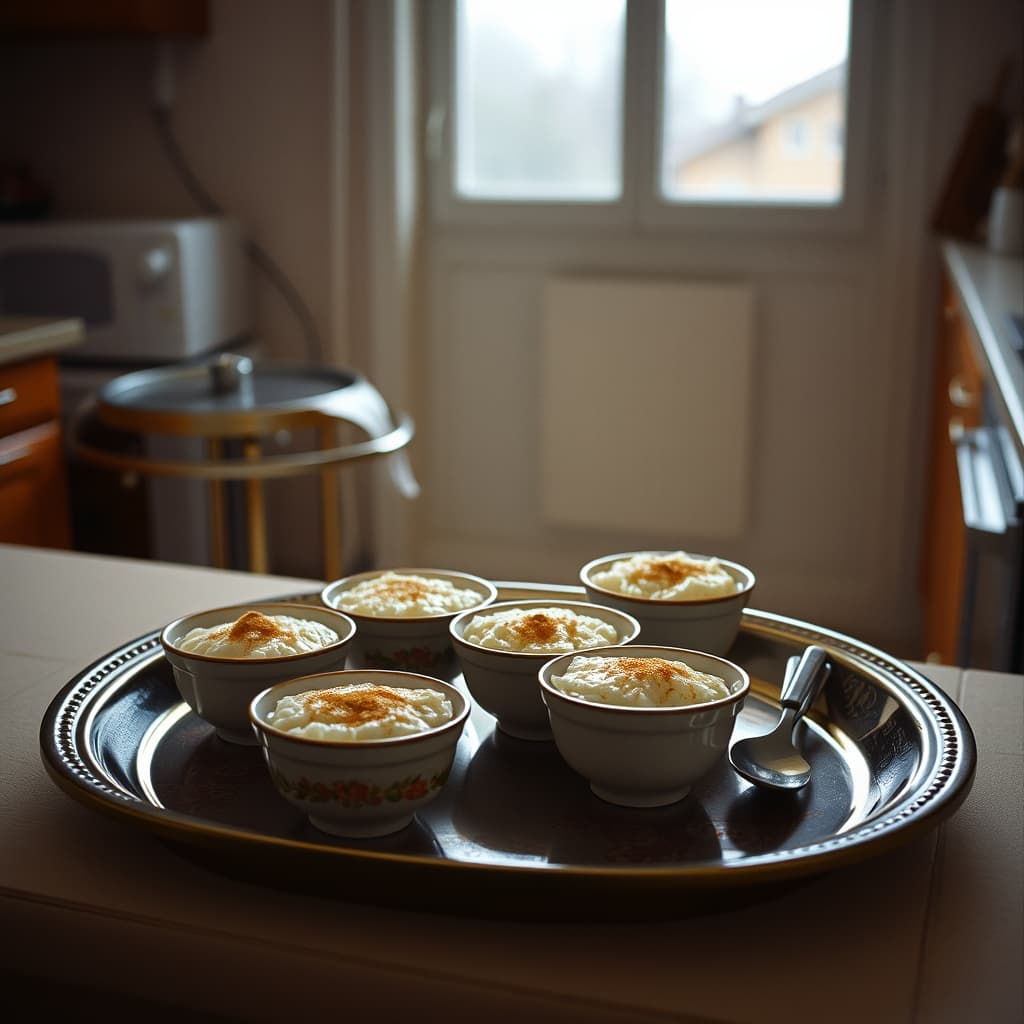
A tray of cinnamon-dusted rice pudding could travel through an apartment corridor before the bowls had fully cooled. One portion went to an older neighbour, another thanked someone for a borrowed ingredient, and the empty dish might later return holding something else. Unlike baked rice pudding with its browned surface, this stovetop sütlaç was remembered for pale softness, a pattern of cinnamon, and the everyday movement of bowls between homes.
There is no single Turkish sütlaç formula. Rice variety, milk, sugar, starch, water, vanilla, mastic, rosewater, and cooking sequence differ by household and region. Some cooks rely on starch released by rice; others add rice flour or another thickener. Cinnamon may be sprinkled at serving rather than cooked into the milk. A culinary archive should record the actual method and avoid presenting one texture as universally correct.
The Pot Required Attention
Rice was cooked until tender, then combined with milk according to the recipe. Gentle heat and regular stirring reduced scorching at the base. Sugar timing affected sweetness and texture. Added starch, if used, needed dispersing to prevent lumps. The cook judged the mixture while remembering that it would thicken further as it cooled. A pudding taken off the heat too late could set heavily; too early, it remained thin.
Milk quality and hygiene were essential. Clean pots, spoons, hands, and serving bowls reduced contamination. The dessert should be cooled promptly and refrigerated rather than left for hours in a warm kitchen or stairwell. Large pots cool slowly, so dividing into suitable shallow portions can help. Current food-safety guidance takes priority over a remembered habit, especially in summer.
Cinnamon Made Each Bowl Recognisable
A pinch of ground cinnamon gave aroma and a visual signature. Some hands made a simple circle; others used a small stencil or scattered it freely. The spice could recall a particular kitchen even when the base recipe resembled many others. Yet cinnamon should complement rather than hide stale milk, scorched flavour, or poor storage. Sensory memory is meaningful, but it is not a safety test.
Children might compare which bowl received the most cinnamon, while adults adjusted sweetness for different relatives. Dairy allergy and intolerance require clear alternatives and separate preparation where necessary. Rice pudding may also include ingredients not visible from the surface, so hosts should explain flavourings, starches, nuts, or other additions rather than assume familiarity.
A Bowl Carried Social Credit
Sending food was not a commercial exchange, yet it created an ethic of return. The receiving household washed the bowl and often avoided sending it back empty. This did not require an immediate equivalent; reciprocity could unfold through soup, fruit, help, or attention weeks later. The dish moved within a relationship whose value exceeded its ingredients.
Sharing also depended on labour. Someone bought milk, watched the pot, portioned the pudding, found a tray, crossed the landing, and washed the returned dishes. Women often performed much of this work, though practices varied. Calling the custom effortless generosity can hide planning and expense. Recording names and tasks gives hospitality its full social history.
A Digital Nostalgia Archive can preserve handwritten recipes, spice tins, bowls, milk receipts, apartment photographs, and stories of who sent food to whom. Old food samples should not be kept or tasted, but containers and documentation can survive. Cinnamon rice pudding carried sharing culture because the dessert was portioned from the beginning. Each bowl left the pot with a destination, turning a familiar milk pudding into a quiet map of neighbourly care.