 Eski Pano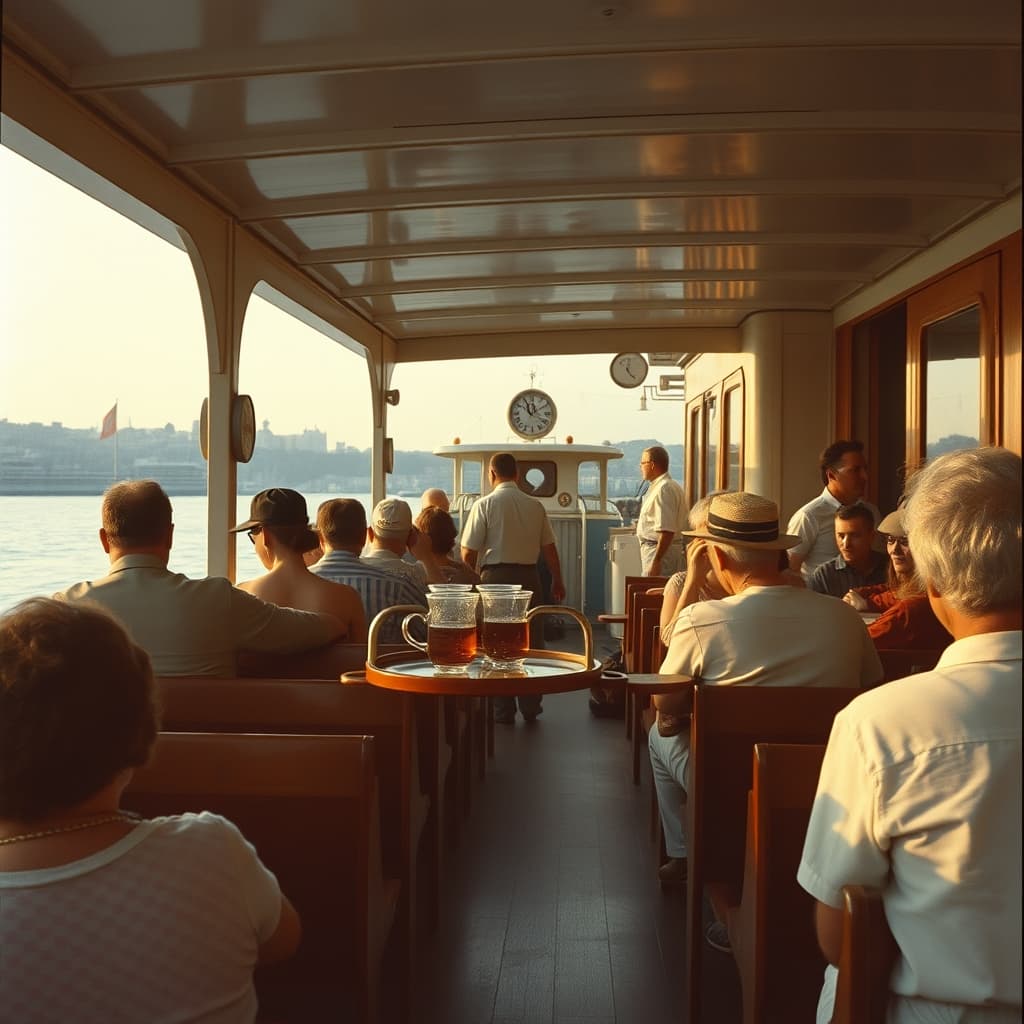
A city ferry could make an ordinary commute feel like a journey. The passenger passed a pier clock, bought or presented a ticket, followed the movement toward the gangway, and stepped into a space where the city opened across water. Even a familiar crossing contained changing light, wind, engine vibration, gulls, tea glasses, and the quiet calculation of where to stand before the next landing.
Urban ferry systems differed by city, operator, vessel, route, and decade. Steamships, motor vessels, car ferries, and smaller passenger boats overlapped. Ticketing moved from paper and tokens toward electronic systems. A remembered “old ferry” may combine several ships, so timetables, fleet registers, photographs, tickets, and newspapers are needed to identify the actual vessel and service.
The Pier Set the Rhythm
Arrival at the pier was a lesson in timing. Regular passengers knew how long the queue would take, which entrance opened, and where the vessel would berth. Missing the gangway by seconds could reshape the morning. Clocks, bells, announcements, ticket clerks, and barrier staff translated the published schedule into a sequence of bodies moving safely between land and deck.
Waiting also created observation. Newspaper sellers, nearby cafés, fishermen, porters, schoolchildren, office workers, and visitors shared the approach. Some passengers hurried; others made the interval part of their day. Yet comfort was unequal. Stairs, narrow gates, crowding, weather exposure, and changing platform levels could create serious barriers for disabled, elderly, or encumbered travellers.
The Vessel Was a Moving Public Room
Inside, seating choices expressed habit. A sheltered saloon offered warmth; an open deck brought wind and a clearer view. Tea service, snacks, newspapers, and brief conversation made the crossing social without requiring intimacy. Regulars recognised one another while preserving distance. The ferry offered a rare urban pause in which travel time remained visible rather than disappearing underground.
Weather constantly revised the scene. Spray reached decks, fog reduced the horizon, and winter wind changed where people gathered. Passengers followed crew instructions during difficult conditions. Railings, lifesaving equipment, boarding procedures, maintenance, and capacity limits were essential, even when memory favours romance. Water transport requires disciplined safety, not confidence based only on familiarity.
A Route Depended on Maritime Labour
Captains, deck officers, engineers, sailors, ticket workers, cleaners, caterers, pier staff, schedulers, and maintenance crews sustained each crossing. Engines needed fuel and inspection; ropes, ramps, hulls, navigation equipment, and passenger areas required care. Early and late shifts allowed other workers to reach their jobs. The calm passenger experience rested on coordinated technical labour largely out of sight.
Routes changed as bridges, roads, rail systems, population, and waterfront development changed. Some piers closed, names shifted, vessels retired, and schedules contracted or expanded. A ship preserved as an icon cannot alone represent the network. Everyday timetables and employee records show how the service actually connected districts and whose journeys it prioritised.
A Digital Nostalgia Archive can connect tickets, timetables, pier plans, vessel photographs, menus, uniforms, engine records, and testimony from passengers and crews. Dates, ship names, and routes should be verified. The city ferry became memory because repetition never made the crossing completely ordinary. Each departure followed the same practical line while water, weather, company, and the city skyline changed around it.