 Eski Pano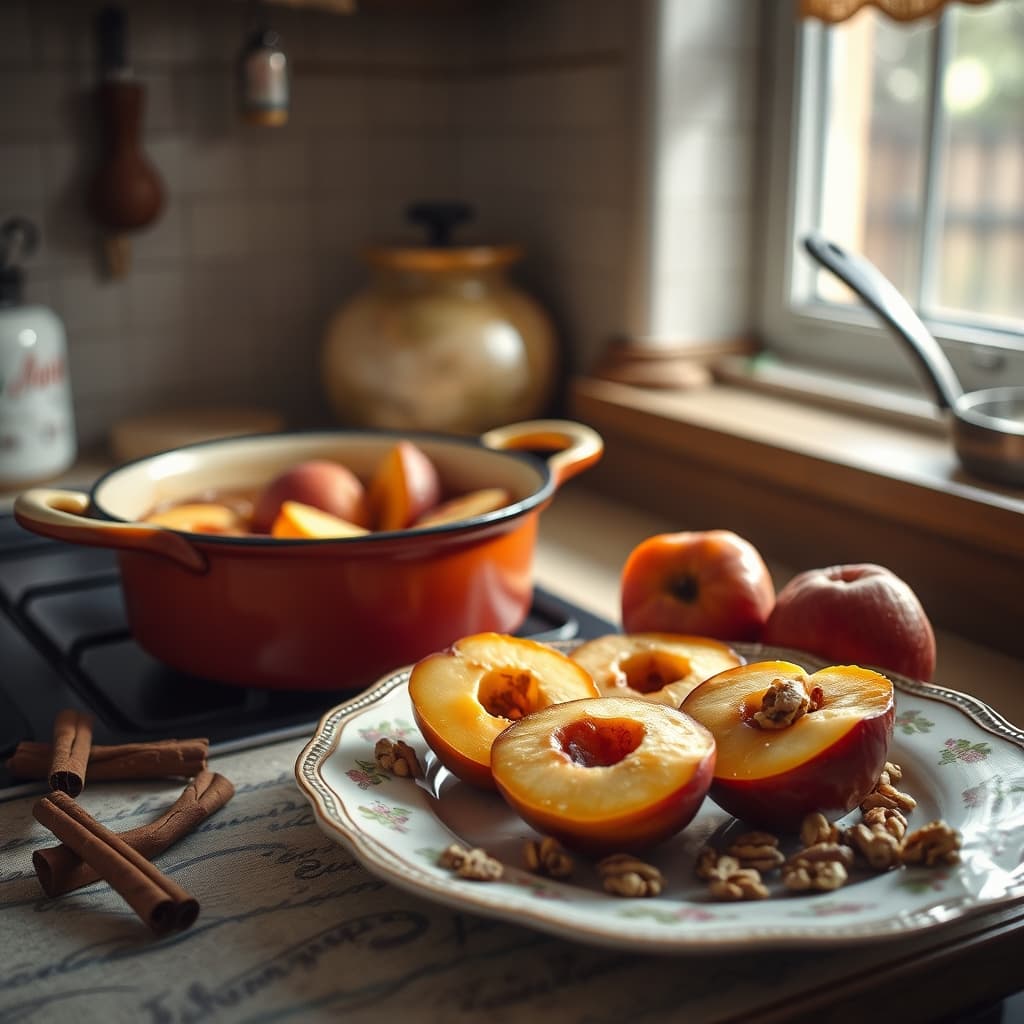
Quince dessert began shaping the house before it reached the table. The fruit resisted the knife, its pale flesh darkened after cutting, and peels, cores and seeds gathered on the work surface. Sugar dissolved slowly in the pan while cinnamon moved from the kitchen into the hall. By serving time, the dessert had created an atmosphere as recognisable as its taste.
Quince belongs to the colder part of the year, when market stalls offer firm yellow fruit with a dry fragrance. Choosing it requires attention. Bruising, softness and damaged skin affect storage, while size influences portioning and cooking time. A household planning dessert for guests might select similar pieces so that they softened evenly and looked balanced on a serving plate.
Preparation Balanced Waste and Use
Peeling and halving a hard quince demanded a stable board and a sharp knife. The seed cavity was removed carefully, yet peels and seeds were often retained for the pan. Their pectin contributed body to the syrup, and seeds could support a deeper reddish tone. Practices varied by family, fruit and available time; no single colour proves authenticity on its own.
The amount of sugar also varied. Older recipes may appear generous because sugar helped form syrup and preserve texture, but sweetness should be understood alongside portion size and accompaniments. Water had to be measured cautiously. Too much diluted flavour and slowed concentration; too little risked scorching before the fruit softened.
Slow Heat Turned Fruit into Dessert
The pan worked gradually. Low heat allowed quince to tenderise while absorbing syrup, and a lid controlled evaporation during different stages. Cinnamon sticks or cloves could perfume the liquid without leaving the powdery surface produced by ground spice. Some cooks placed spices in the pan; others reserved cinnamon for the final presentation.
Colour emerged from fruit chemistry, heat, time and added ingredients. Some kitchens used sour cherry, hibiscus or food colouring to intensify red, while others relied on seeds and prolonged cooking. An honest archive should record these choices rather than presenting one appearance as ancient or universal. The important craft lies in controlling tenderness without collapsing the halves and concentrating syrup without burning it.
Serving Completed the Household Choreography
Quince dessert was usually cooled before garnishing. Kaymak offered richness, walnuts added texture, and cinnamon sharpened the warm aroma. These additions carried practical timing: dairy needed refrigeration, nuts stayed crisper when added late, and hot fruit could melt or separate a creamy topping. The plate seen by guests was the final stage of several quiet calculations.
The smell travelled farther than the cook's view. It entered rooms, clung briefly to curtains and announced to arriving family members that something seasonal was underway. Children could identify the dessert before seeing it. That sensory anticipation explains why the memory belongs to the whole house, even when only one or two people did the preparation.
Documenting quince dessert well means preserving more than a polished recipe. Market season, fruit variety, knife marks, pan material, fuel, sugar availability, family preferences and serving dishes all matter. So do food-safety habits: clean utensils, sound fruit, protected cooling and refrigerated dairy. The dessert is nostalgic precisely because it joins horticulture, household labour and hospitality. Its cinnamon scent did not appear by magic; it was produced through selection, patient heat and the decision to turn a stubborn winter fruit into a plate meant to be shared.