 Eski Pano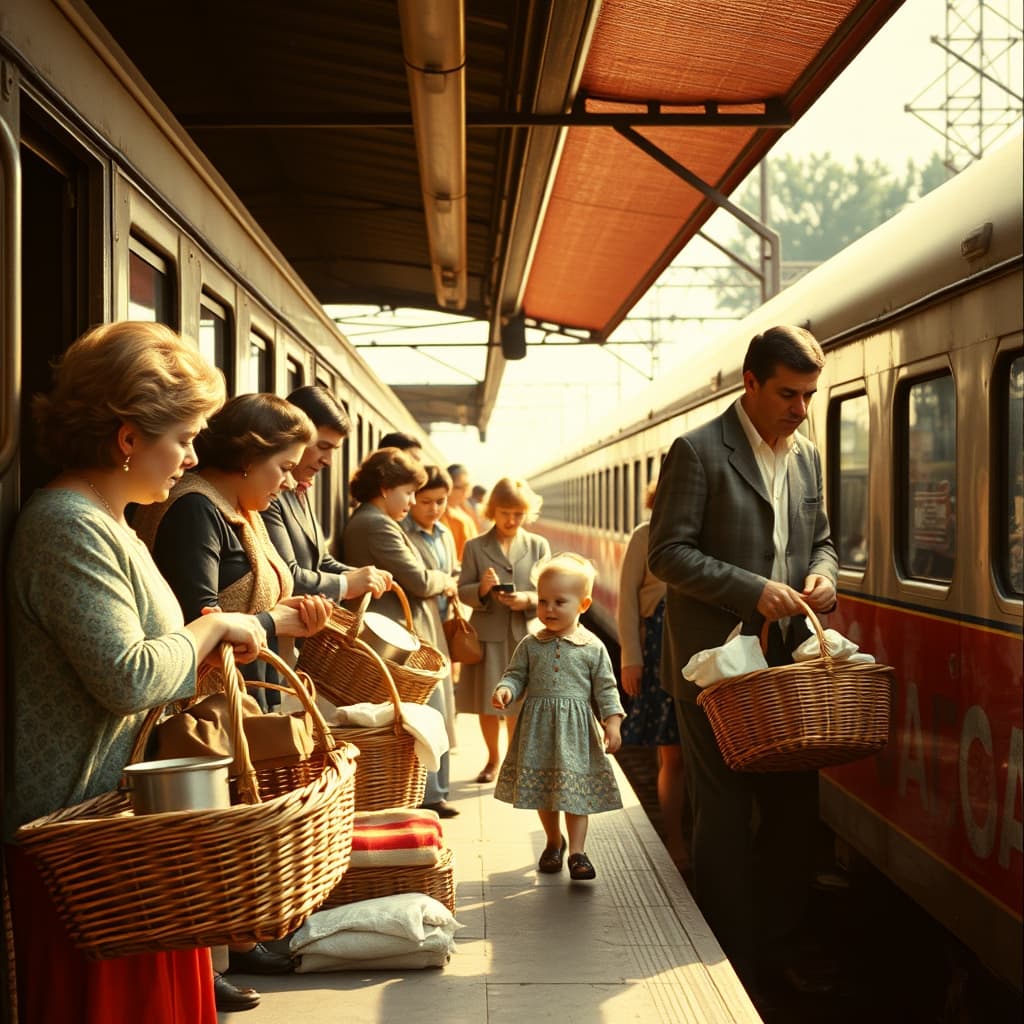
A family picnic by train began at home, often before the street had fully warmed. Bread was wrapped, tomatoes and cucumbers packed, a flask checked for leaks, and blankets folded into manageable bundles. The railway made a day beyond the dense neighbourhood possible without requiring a private car. Yet the cheerful photograph taken under trees concealed a detailed operation of timetables, tickets, carrying and care.
Weekend services to woods, beaches, springs or suburban stations varied by city and period. Some were regular trains used for leisure; others were remembered as special picnic excursions. Families studied departure times and tried to return before the final convenient service. Missing a connection could turn a relaxed outing into a costly and tiring problem, especially with children and heavy baskets.
The Platform Was the First Picnic Ground
At the station, the group assembled around luggage and instructions. Adults counted children, checked tickets and decided who would board first. Enamel containers, wicker baskets, water bottles, folding stools and balls occupied hands that also needed to hold railings. Vendors added another layer of sound. The platform produced anticipation, but safe boarding required discipline near doors and tracks.
Carriages temporarily gathered households that might not otherwise meet. Seats were negotiated, windows opened, food aromas escaped from parcels and children watched the city thin into fields. Smoke, heat, crowding and hard benches were part of the experience too. Nostalgia becomes more accurate when it includes discomfort as well as excitement.
The Timetable Shaped Leisure
Railway time organised the entire day. Lunch, games and tea had to fit between arrival and the walk back to the station. A watch or a station clock carried authority because the train would not wait for a family still packing. This gave the outing a distinctive rhythm: expansive hours outdoors framed by precise departures.
Access was unequal. Fares had to fit the household budget, stations had to be reachable, and carrying equipment demanded physical ability. Older people, disabled travellers and parents with small children faced barriers that period infrastructure seldom addressed well. Even so, shared transport allowed many urban families to reach landscapes that car ownership would otherwise have placed beyond them.
Food Carried the Household into the Landscape
Picnic meals reflected season, storage and portability. Foods were chosen to survive the journey, be divided easily and leave manageable washing. Safe handling mattered: dairy, meat and cooked dishes could spoil without cooling, while drinking water needed protection from contamination. Fire for tea or grilling brought pleasure but also risk, requiring attention to local rules, dry vegetation and complete extinguishing.
The return journey had a different mood. Children slept, containers were lighter and clothes carried dust or grass. Rubbish needed to leave with the group, although historical photographs and memories show that public cleanliness was not always respected. Railway staff then restored carriages for the next service, another form of labour absent from the family album.
A Digital Nostalgia Archive can reconstruct picnic-train culture through tickets, printed schedules, station photographs, route maps, baskets, food containers, railway workers' testimony and family accounts. Dates and locations should be recorded rather than guessed from scenery alone. These weekends remain moving because they joined domestic preparation to public infrastructure. The train did more than carry passengers; for a scheduled span of hours, it placed the possibility of open air, play and collective rest within reach of an urban family.