 Eski Pano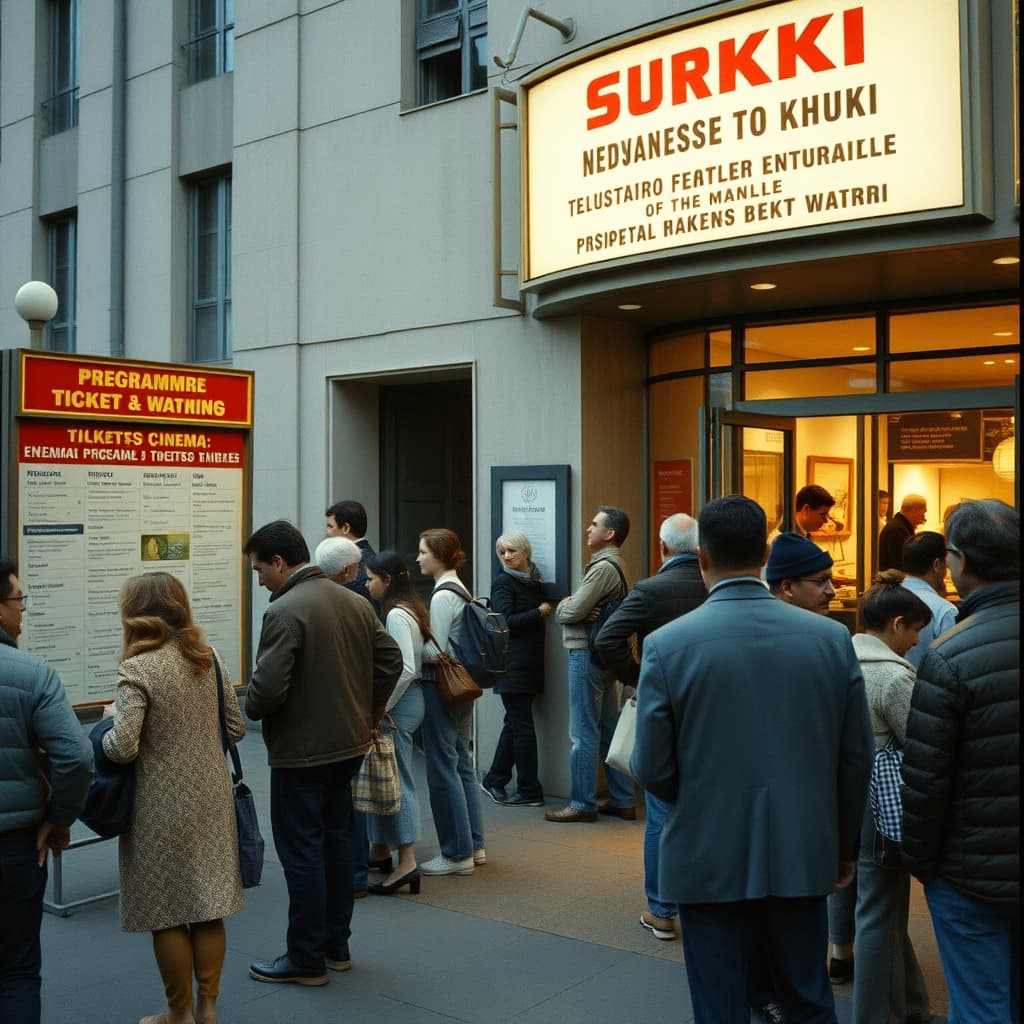
A cinema queue could make a city's evening rhythm visible before the doors opened. Students compared posters, workers arrived after shifts, families counted seats, and friends guarded places while someone bought snacks. The line is remembered for anticipation, but it also reveals ticketing rules, street design, labour schedules, purchasing power, and the complicated route from film print to screen.
Cinemas differed by district, season, ownership, building, audience, programme, and period. A neighbourhood hall, city-centre palace, summer cinema, workers' club, and small-town venue organised entry differently. Newspapers, programme leaflets, ticket stubs, seat plans, censorship records, distributor files, photographs, licences, and oral histories are needed before one queue represents all filmgoing.
The Queue Distributed Scarce Seats
A ticket window translated a fixed auditorium into prices, rows, balconies, boxes, sessions, and age restrictions. Advance sales, reservations, complimentary tickets, sold-out notices, and unofficial place holding affected fairness. A long line might signal popularity, limited screenings, poor ticketing capacity, or a special event rather than universal enthusiasm.
Seat classes made economic difference visible. Some viewers chose cheaper rows with difficult sightlines; others paid for balconies or reserved sections. Children needed adult permission or reduced tickets, while couples and groups negotiated adjacent seats. Accounts should include people who turned back because the film, price, queue, or social atmosphere did not suit them.
Anticipation Depended on Work behind the Doors
Cashiers handled money and seating, ushers checked tickets and guided audiences, cleaners prepared the hall, projectionists inspected and threaded prints, electricians maintained light and sound, distributors delivered reels, and concession workers managed food. Managers scheduled sessions and responded to breakdowns, censorship decisions, complaints, and crowd pressure.
Projection booths carried heat, electrical danger, heavy reels, moving mechanisms, and, in earlier contexts, potentially hazardous film stock. A screening could stop because of a broken splice, lamp, sound fault, power cut, or missing reel. The familiar pause in a film was not magic failing; it was a technical workplace responding under audience scrutiny.
A Queue Occupied Public Space
Lines could block shops, doorways, pavements, bus stops, crossings, tactile paths, or emergency access. Rain, heat, darkness, traffic, ticket touting, harassment, and pushing affected safety. Venue management and local authorities needed clear queue routes, barriers where appropriate, lighting, information, staff, and accessible alternatives for people unable to stand.
Historic cinemas often had stairs, narrow doors, inaccessible toilets, smoke, and limited evacuation provision. Preserving architecture does not justify retaining exclusion or hazard. Step-free access, appropriate seating, captioning, audio description, hearing support, readable signs, and safe emergency systems can extend the shared experience to more viewers.
Programming was shaped by distribution, censorship, regulation, language, dubbing or subtitles, local taste, political pressure, and commercial calculation. A full house does not prove agreement with a film. Viewers might attend for stars, music, fashion, newsreels, social contact, or simply the only available entertainment, and they interpreted the screen differently.
A Digital Nostalgia Archive can connect the queue with tickets, programmes, seat maps, posters, censorship documents, distributor cans, projection notes, street plans, and interviews with workers and viewers. The line left a deep urban mark because expectation became publicly visible. Preserving it means keeping excitement beside pricing, labour, programming power, street access, crowd safety, and the people whose work transformed a waiting pavement into a screening.