 Eski Pano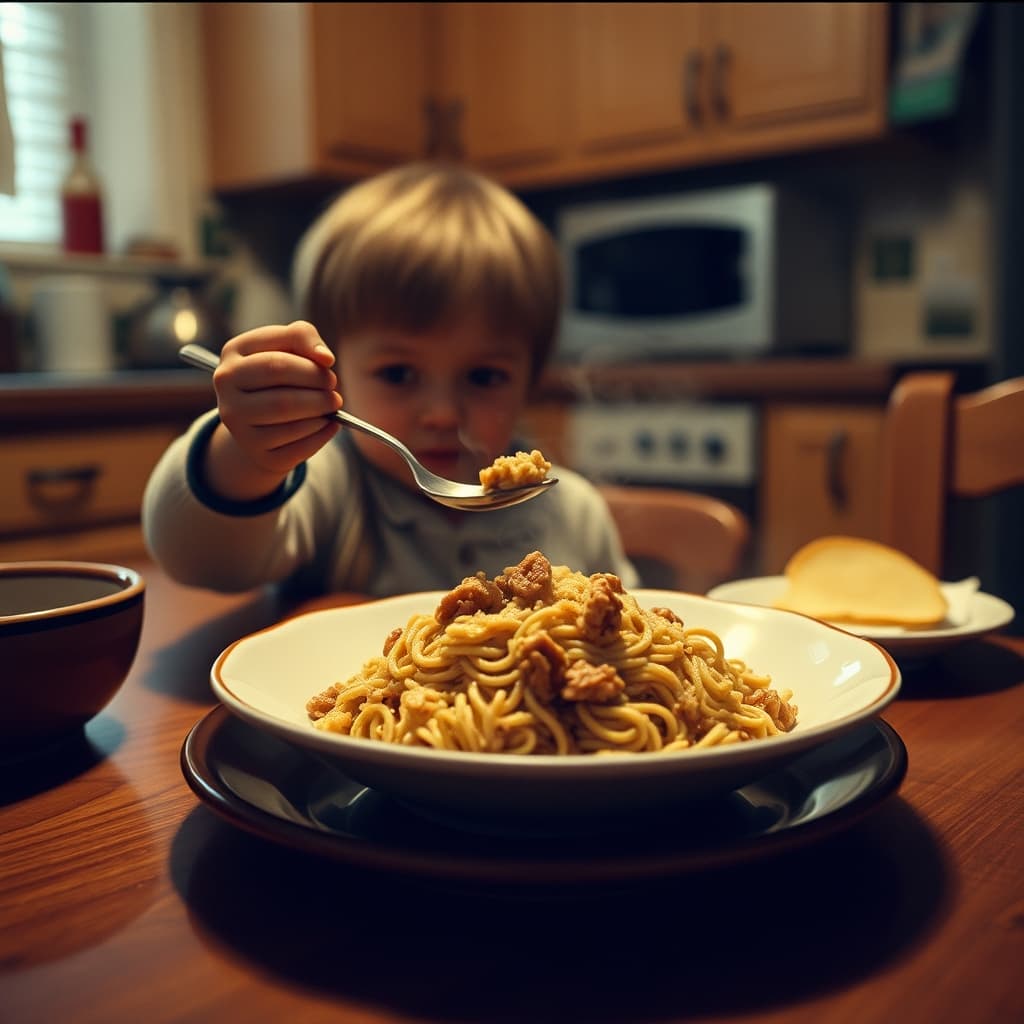
Walnut noodle pilaf met after-school hunger with ingredients that many home kitchens could store and assemble without an elaborate ceremony. Dried erişte waited in a jar or cloth bag, walnuts could be cracked and crushed in advance, and the cooking began according to the hour children were expected through the door. The first spoonful mattered because it arrived at the intersection of appetite, timing, and the familiar assurance that someone had organised the afternoon meal.
There is no single formula for the dish. Homemade or purchased noodles vary in width, thickness, egg content, and salt. Some households toast part of the erişte in butter or oil before adding liquid; others cook it more like pasta and finish it with fat and walnuts. Bulgur or rice may appear in related preparations, and seasoning changes by region and family. A responsible food memory records variation instead of presenting one method as the only authentic version.
The Colour of the Noodles Came from Attention
Toasting created aroma and contrast, but the interval between golden and burnt could be short. The cook watched the pan, stirred uneven pieces, and adjusted the heat before adding hot water or stock. Liquid then had to suit the noodles: too much produced softness without separation, while too little left hard centres or scorched the base. Resting after cooking allowed moisture to settle. These decisions were rarely captured by a clock alone; sound, smell, and texture guided the hand.
Walnuts changed the dish again. Finely crushed nuts distributed richness, while coarser pieces added bite. Freshness mattered because old walnuts could bring bitterness. They might be folded through the pilaf, scattered at serving, or browned briefly with fat, depending on household practice. Children did not necessarily notice each technique, but they recognised the resulting balance: savoury noodles, toasted edges, warm fat, and the earthy sweetness of walnut.
The First Plate Followed the School Day
After-school eating had its own tempo. A child might arrive alone, with a sibling, or followed by friends lingering at the doorway. Coat and schoolbag were set down before hands were washed and the lid lifted. Portions reflected age, appetite, and whatever else would be served later. The food was economical in the broadest sense: not simply inexpensive, but capable of turning stored ingredients, limited time, and household knowledge into a filling meal with little waste.
That efficiency should not make the labour invisible. Someone had prepared or bought the noodles, shelled walnuts, monitored the stove, arranged the table, and planned around school hours. If several children arrived at different times, the dish had to remain pleasant without drying out. Leftovers might be reheated carefully, but food safety still required clean utensils, suitable cooling, and timely refrigeration rather than indefinite waiting at room temperature.
Home Cooking Lived in Adjustments
Recipes passed between generations through measurements, but also through corrections: add a little more water, lower the flame, wait before opening the lid, crush the walnuts less finely next time. Such advice made the dish responsive to a particular pot, noodle, and family preference. Recording these decisions preserves more cultural value than fixing walnut noodle pilaf into a polished, universal recipe detached from the kitchens that shaped it.
For a Digital Nostalgia Archive, the meal matters because it joins taste to the organisation of an ordinary weekday. The remembered first spoon did not prove that every school return was carefree or every household table abundant. It preserves something more specific: the smell that met a child at the door, the pan timed to an expected arrival, and the practical intelligence that gave a modest bowl its distinct home character. Memory gathered around the food because preparation had already gathered the household’s time around it.