Eski Pano
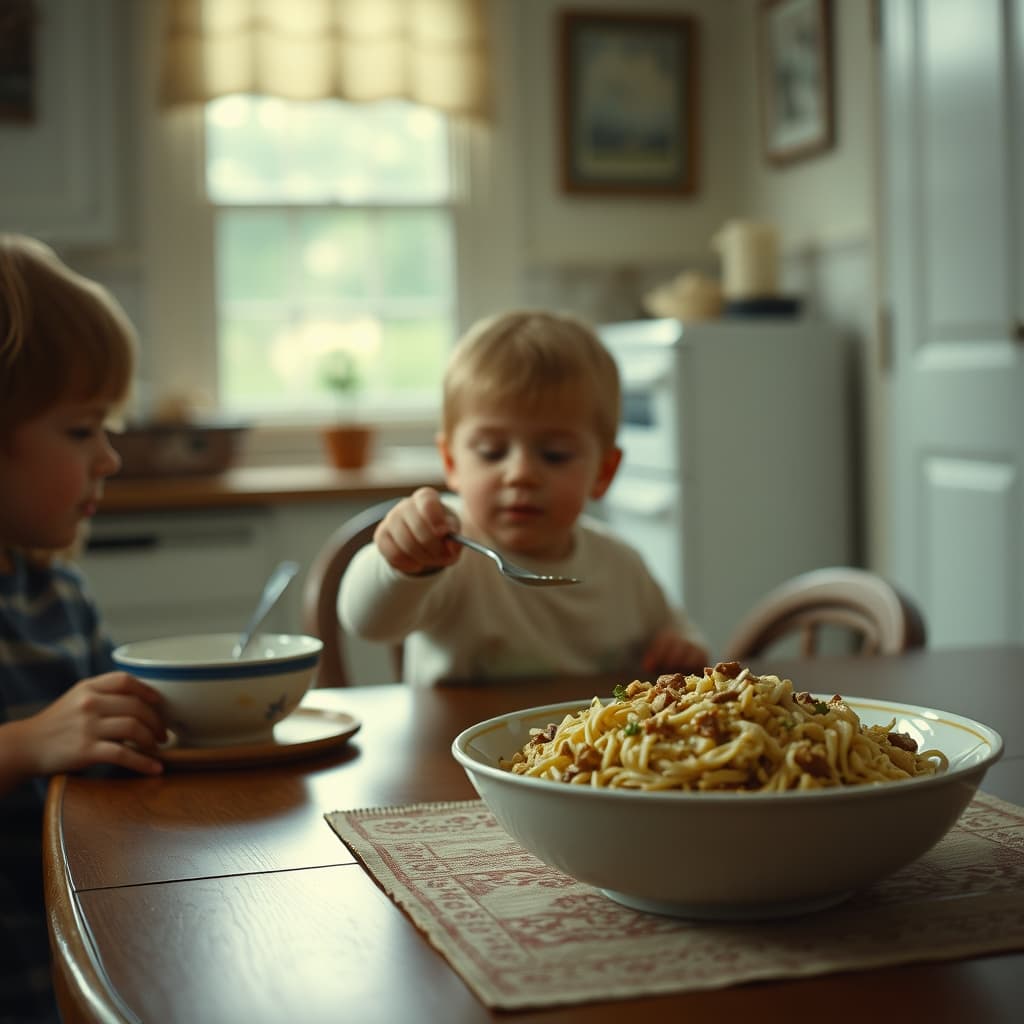
Some foods do not merely arrive at the table; they soften the most tired hour of the day. Walnut noodle pilaf is one of those dishes that could gather up the chill, hunger, and slightly scattered mood of a child returning from school all at once. As one entered carrying the smell of the classroom, the dampness of a coat, or the sweat of a sunny afternoon, the fragrance of butter, toasted noodles, and walnuts from the kitchen made the house appear entirely different. The first spoon reaching toward the plate was often impatient, because this dish did more than satisfy hunger. It made one feel that one had truly arrived home. That is one reason it gains deeper meaning during the transitions between seasons: against the changeability outside, it stands for the warm and familiar order established within.
From the perspective of taste memory, walnut noodle pilaf is one of the household foods that builds a bridge between seasons. It belongs neither fully to the lightness of summer nor to the heavy pots of winter; it is the meal of the in-between days. It appears often on evenings turning toward autumn, on cool spring mornings, or during the first weeks after school begins. The fact that the noodles were cut and dried beforehand, that the walnuts came down from the pantry, and that the butter foamed slowly in the pot makes this dish part of seasonal preparation as well. In many homes, when a mother or grandmother said, "the weather has turned," such familiar and gathering foods appeared on the table. In that way the plate carried not only flavor, but the translation of season into domestic life.
The reason the first spoon reaching toward the plate after school remains so vivid in memory is also tied to the way the dish was shared. This pilaf was rarely eaten alone; yogurt, pickles, or tea in a tulip glass often accompanied it. While someone in the kitchen was still placing the last plates, the child had already picked up a fork or spoon and wanted to taste it straight from the pot. Even if the warning "sit at the table first" came, that first bite was often unavoidable. The buttery warmth of the noodles and the full taste of walnuts turned the day's hunger into familiar reassurance all at once. The conversations in the house deepened the meaning of the meal as well: what happened at school, why the weather had cooled, whether visitors might come by in the evening, which cardigan would be worn tomorrow. The dish became a center where seasonal change joined family conversation.
Part of the reason this plate feels more meaningful on transition days lies in its measured simplicity. It is not ostentatious, yet it is strong, much like the balance sought inside the home when seasons shift. The walnut gives the softness of the noodles a mild bite, the butter adds warmth, and sometimes black pepper or a light broth completes the depth beneath. While the wind outside changes direction, schoolbags fill with fresh notebooks, and evenings begin a little earlier, such meals tell a person that the day has settled into place. For a child, this is a relief felt without having to name it. Years later, when the same scent is encountered, what returns is often not the recipe itself, but that interval when coats were hung up, hands were washed, and the table slowly came together.
If one asks today why walnut noodle pilaf carries deeper meaning during seasonal transitions, the answer lies not only in taste, but in timing. This meal gives a feeling of steadiness in the middle of change. The first spoon after school signals more than hunger; it signals arrival. That is why it remains bright in memory. A family's kitchen, the rhythm of childhood, and the knowledge of the seasons meet in this plate. Walnut noodle pilaf is not merely an old home dish, but a plain yet powerful inheritance showing how the inside of the house was kept constant while the outside world shifted. What comes back with the first bite is precisely that unchanged warmth of home.
Walnut Noodle Pilaf and the First Spoon Reaching for the Plate After School: Why Does It Gain Even More Meaning During Seasonal Transitions?