Eski Pano
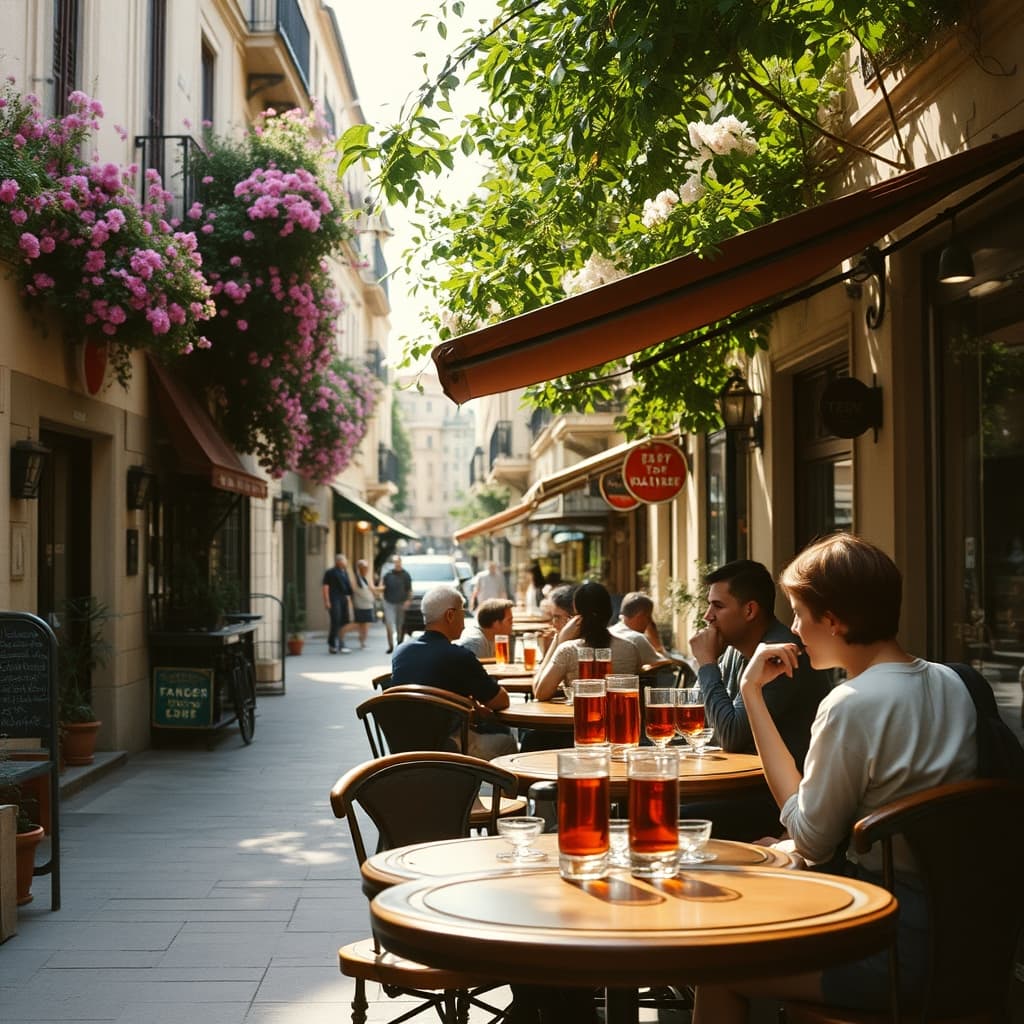
Some afternoons remain in a city's memory not merely as hours, but as scents and sounds. Old tea gardens were exactly such places. At the time of day when the summer heat slowly loosened its grip, when shadows stretched across tabletops and the last steam rose from thin-waisted tea glasses, the city seemed to slow down and people stepped back from the urgency of the day. Those who reached the tea garden by walking through flower-scented streets were not only looking for an empty table. They were also seeking an evening calm made of familiar faces, restrained greetings, and conversations that did not hurry. The tables were often simple iron-legged ones, the chairs the sort that creaked a little, yet what held firm there was the rhythm of friendship itself. If those afternoons still leave a soft echo inside people today, the answer lies partly in that shared slowness.
Seen along the path of time, tea gardens were among the most visible and most graceful public spaces of old urban life. In city columns, municipal notices, and memoirs, these places appeared often because they stood in a special threshold between the coffeehouse and the park, between family outing and private pause. Everyone spoke without raising their voice too much, children ran while still sensing a boundary, and the waiter carried his tray with measured balance. This order revealed the finer etiquette of public life. People did not merely see one another there; they learned to observe one another. Which table gathered retirees discussing the day's news, which corner held an engaged couple sitting quietly, which group of old friends arrived every evening, all of this belonged to a memory settled not in weeks, but across years.
What the flower-scented streets left behind through tea gardens was perhaps the courtesy of waiting, something today's life preserves only rarely. To wait for a friend not with irritation but with calm trust, to let conversation deepen while the second pot of tea brewed, to greet an acquaintance at the next table with a nod that carried years of recognition, to tell children to slow down without hardening the voice, these were all quiet habits of daily life. A tea garden taught people not how to fill empty time, but how to carry it together. Even when no one cracked seeds at the table, the light tap of a spoon on the saucer, a tram bell or ferry horn from afar, and the drift of acacia and jasmine in the breeze placed city life inside a gentler frame.
Those afternoons also strengthened the invisible bond between neighborhood life and the city center. Someone left home, passed through a flowered street, met a few familiar faces on the way, and by the time they reached the tea garden all those small encounters had become part of a single evening. In that way the city stepped away from anonymity and became more recognizable, more speakable. Children learned from the hand reaching toward a bottle of soda, elders from the gesture of folding the newspaper in two and leaving it at the table's edge, and the young from the fact that even long silences could create intimacy. Some habits that still survive today slipped down from exactly these scenes. Lowering the voice while inviting a guest to sit, listening carefully to the person at one's table even in a crowd, and treating time spent outdoors not as consumption but as sharing are traces of courtesy quietly inherited from the old tea gardens.
Now, among modern cafes with quickly changing music, disposable hurry, and short visits, the tea gardens of the past stand out even more clearly as memory. What made them unforgettable was never only the tea. It was that patient atmosphere that gathered friendship through the whole summer. People arrived through flower-scented streets and created there a simple yet deep way of giving time to one another. Perhaps that is exactly what is missed today: a public warmth in which conversation did not rush, waiting was not treated as inconvenience, and familiarity was felt without being loudly declared. The afternoons of the old tea gardens may be gone, but the quiet habits they left behind still live in the way people sit, greet, and value time spent together.
In the Dusty Shelves of Memory, the Afternoons When Tea Gardens Gathered Friendship All Summer Long: Which Quiet Habits Did the Flower-Scented Streets Leave to Today?