 Eski Pano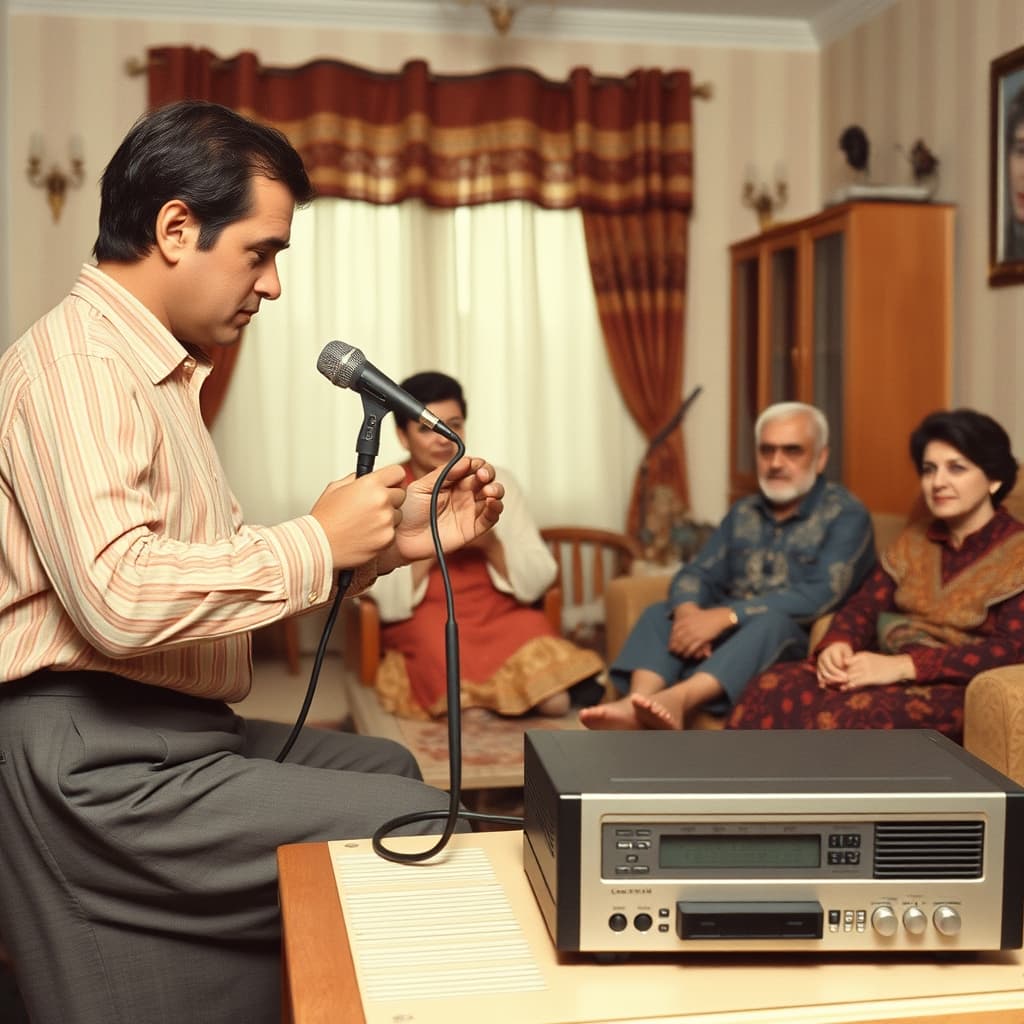
A microphone connected to a cassette deck could make the room suddenly self-conscious. Chairs stopped scraping, somebody lowered the radio and the person nearest the machine watched a meter or indicator. The habit was memorable because recording changed behaviour before it captured sound. Microphone placement, level setting and the room itself determined whether a family voice emerged clearly or disappeared beneath hum and handling noise.
Decks and microphones varied widely. Connector type, power requirements, input sensitivity, automatic or manual level controls and monitoring options depend on the exact equipment. A plug that fits is not proof of compatibility. Manuals, labels and qualified technical advice should guide connection, especially when old cables, adaptors or mains-powered devices show damage.
Distance Changed Voice and Room Together
Moving a microphone closer usually increased the direct voice relative to the room, but also made breath, handling and movement more obvious. Placing it farther away could include several people while adding echo, traffic, a fan or the cassette mechanism. There was no perfect distance for every session. The useful position depended on who spoke, how loudly, and whether the aim was conversation, music or a message.
A stable stand or padded surface could reduce bumps. The microphone should not be hidden under cloth, balanced where it might fall or placed so its cable crossed a walking route. Testing with a short recording allowed the operator to listen for hum, distortion and missing voices before using an important tape. Test speech should not overwrite family material already present.
The Loudest Moment Set the Limit
Manual recording level required attention to peaks, not only average speech. A setting that made a quiet voice audible might distort laughter or singing. Automatic level systems behaved differently and could raise background noise during pauses. Rather than invent a universal setting, preserve the manual and record which control was used. A surviving meter photograph can document operation without proving the sound quality.
Feedback could occur when amplified sound returned to the microphone, especially during monitoring or public-address use. A rising whistle called for lower volume, greater separation or another suitable setup—not covering vents or improvising electrical changes. Unusual heat, smell, smoke, exposed conductors or repeated failure means disconnecting equipment and consulting a competent repairer.
A Blank Cassette Was Never Just Blank
Before recording, check whether the tape contains anything and whether its write-protection arrangement permits recording. Labels can be wrong; listening through safely is better than assuming. Make a preservation copy of unique material before reuse. Do not force a cassette that binds, squeals or sheds material. Damaged tapes may need specialist treatment rather than another pass through the deck.
Consent matters because the microphone changes a private conversation into a reproducible object. People should know when recording begins, why it is being made and who may hear it. Children, sensitive family matters and voices of people who have died require thoughtful access decisions. Owning the cassette does not automatically settle performer, privacy or copyright questions.
For digitisation, preserve the original tape, case, labels, recording order and known equipment details. Capture an unedited preservation file before noise reduction or cutting, and document every change. Removing all room sound can erase context; leaving severe hum may obstruct speech. Edited listening copies and untouched masters serve different purposes.
The microphone-and-deck ritual was a practical negotiation with distance, volume, silence and trust. A Digital Nostalgia Archive can keep the voice together with the room that shaped it: the cable route, the test phrase, the moment the level was lowered and the permission that allowed a domestic sound to become a recording worth preserving.