 Eski Pano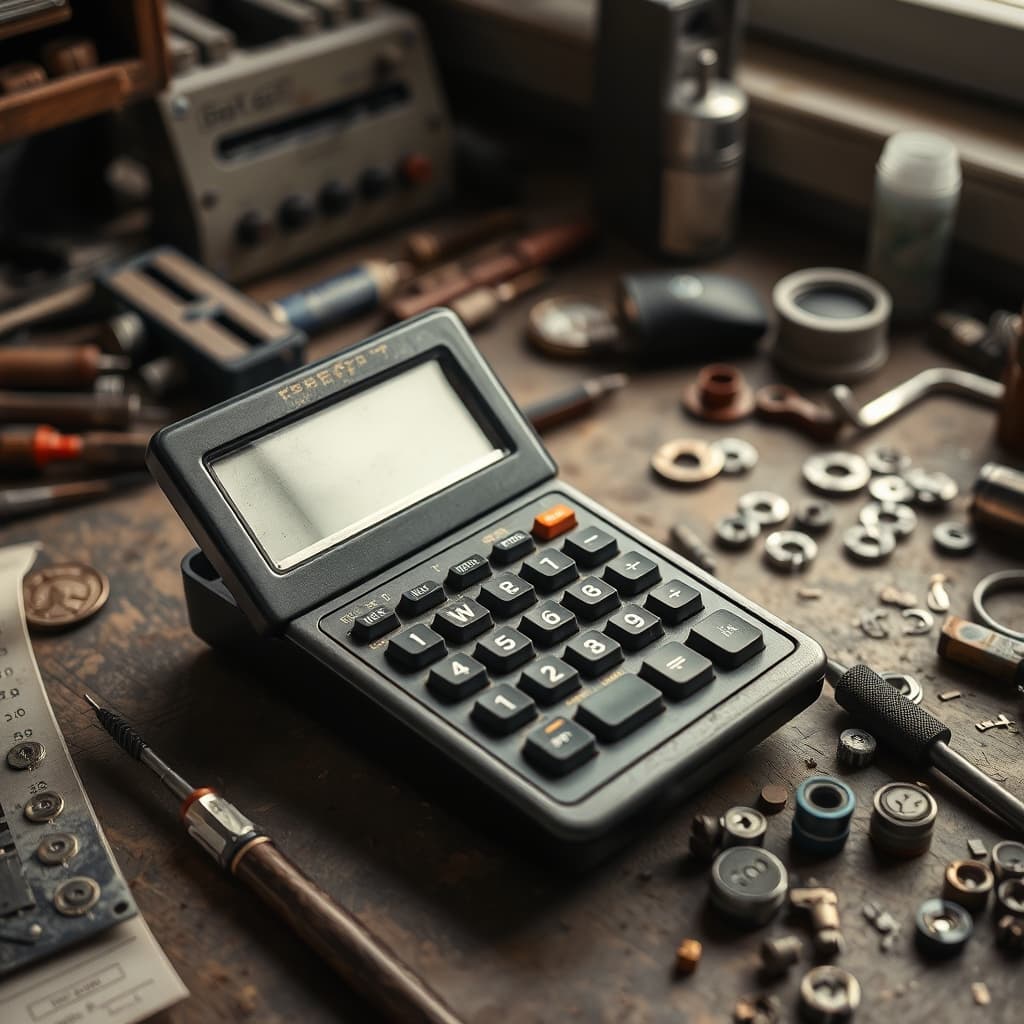
A calculator arrived at the repair bench carrying a history visible in its keys. Frequently used numbers had lost their texture, the clear key showed a polished patch and dust gathered around the display. The owner might describe a blank screen, unreliable button or result that vanished when the case moved. The technician began by listening, because the circumstances of failure could narrow the search before a screw was removed.
Calculators served desks, shops, schools, workshops and household accounts. Their value came from dependable repetition rather than spectacle. A familiar key layout allowed hands to work quickly, and replacing the device meant losing that learned rhythm as well as spending money. Repair was therefore a practical choice, especially when the machine fitted a particular task or when a newer model offered no meaningful advantage.
Diagnosis Began With Power And Contact
A careful inspection could start with batteries, terminals, switches and signs of corrosion. A weak display did not prove that the display itself had failed. Power supply, dirty contacts, loose connections or damaged components could produce similar symptoms. Technical designs differed across models, so responsible repair avoided guessing specifications. The technician observed, tested and opened the case only with suitable tools.
Inside, the machine revealed compact layers: keypad membrane or contacts, circuit board, display connection and housing clips. Cleaning required restraint. Excess liquid, aggressive scraping or misplaced force could turn a recoverable fault into permanent damage. Small parts were kept in order, and the case was examined for earlier repair marks. An improvised fix might explain both the device's survival and its new problem.
Spare Parts Determined What Skill Could Save
Diagnosis did not guarantee repair. A broken case clip could be managed, while an unavailable custom component might end the attempt. Workshops kept donor machines, compatible parts and drawers whose labels made sense through experience. Reuse reduced waste, but it also required judgement about safety, durability and the time a customer could reasonably pay for.
Testing continued after reassembly. Every key needed to register, the display had to remain stable and movement should not interrupt power. The technician checked the original complaint rather than assuming that a device which switched on was fully repaired. Explaining the fault and limits of the work completed the service. Trust depended on acknowledging when a repair was temporary or uneconomical.
Phone applications have replaced many pocket and desktop calculators, yet dedicated machines remain useful in settings where speed, focus and physical keys matter. The calculator belongs in a Digital Nostalgia Archive not as a miracle of electronics but as evidence of maintainable routine. On the repair bench, an ordinary tool received close attention because its familiarity had value. Worn keys met patient diagnosis, and a device built for repeated answers gained one more period of useful work.
The paperwork around repair also mattered. A label, receipt or note tied the symptom to the correct machine when several similar calculators shared the bench. Recording replaced parts and test results gave a later technician evidence instead of forcing the diagnosis to begin from nothing.