 Eski Pano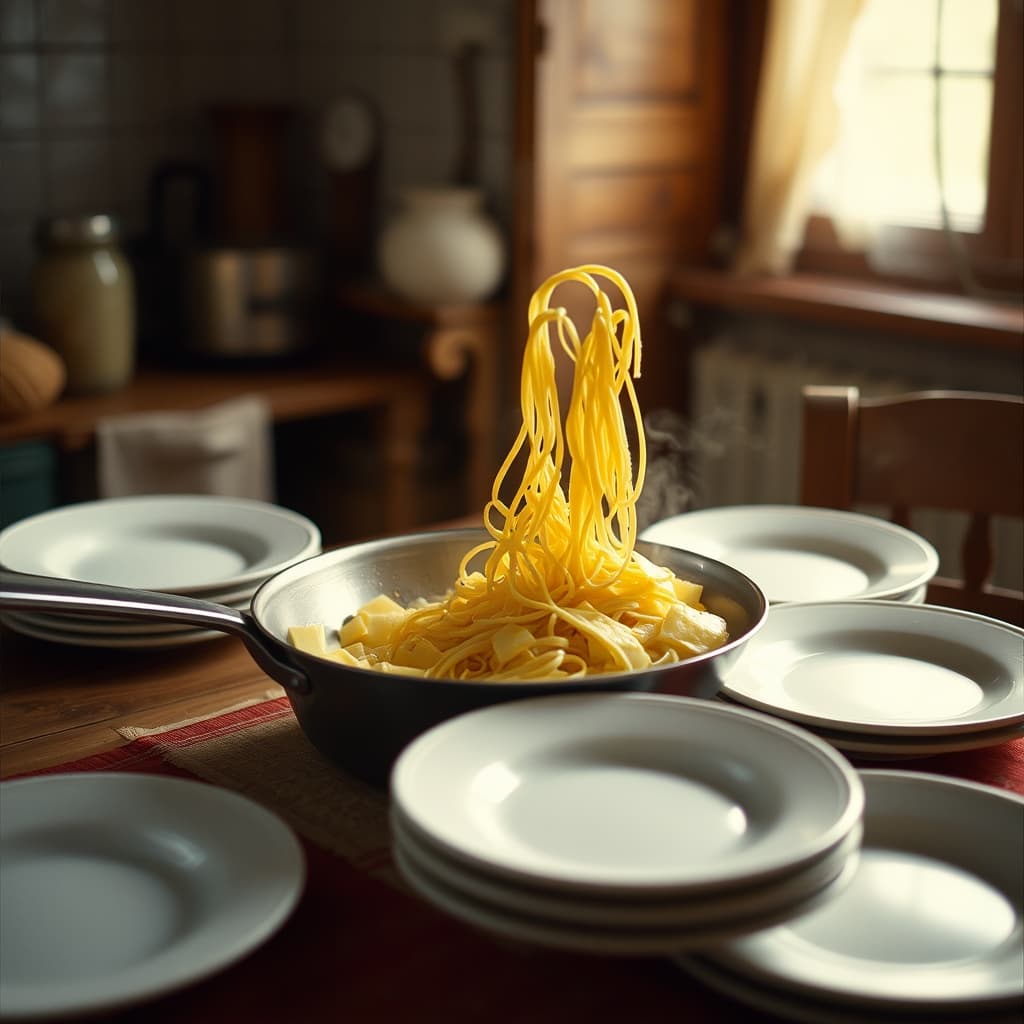
Buttered erişte is remembered through texture before it is explained through ingredients. A fork or spoon meets noodles that may be soft at the centre, slightly firm at the edge, separate or gently gathered by butter. That result begins long before the pan reaches the table. The width of the cut, the extent of drying, storage and the treatment of cooking water all contribute to what a household recognises as its familiar plate.
Erişte varies across Turkish regions and families. Dough ingredients, thickness, length, drying practice, cooking method and accompaniments are not fixed by one universal formula. Some memories concern noodles prepared at home in quantity; others concern a purchased product cooked on an ordinary weekday. An article about taste should preserve these differences rather than appoint a single version as the authentic one.
The Cut Remained in the Cooked Noodle
A hand-cut batch could contain slight variations that became visible after cooking. A wider piece absorbed and bent differently from a narrow one. That did not automatically mean careless work. Consistency helped even cooking, while small variations could record the rhythm of cutting and the thickness of the rolled sheet. If tools or technique are remembered, they should be connected to a particular household rather than generalised.
Drying changed both keeping quality and cooking behaviour. The safe process depends on ingredients, humidity, airflow and storage, so inherited instructions deserve comparison with current food-safety guidance. Dampness, insects, mould, unusual odour or uncertain storage history are reasons to discard noodles rather than test them by tasting. Nostalgic value cannot make compromised food safe.
Cooking Water Was Part of the Texture
The amount of water, the size of the pan and the timing of stirring affected whether pieces moved freely or clung together. Draining fully produced a different surface from retaining some liquid, and household methods varied. Rather than give a universal recipe, record the signs a cook used: the look of the centre, the resistance of a piece or the sound and movement in the pot.
Butter contributed aroma and a coating that changed as the dish cooled. Its character depended on the dairy product and how it was heated. Browning, melting gently and mixing with another fat are distinct practices; none should be attributed to a family without evidence. Dairy also needs clear allergen information and safe storage. A familiar smell should never replace checking whether an ingredient remains suitable to use.
The Table Continued the Cooking
Erişte changes between stove and plate. Steam leaves, butter settles and noodles absorb remaining moisture. Serving immediately from a warm pan gives a different result from waiting while the rest of the meal is arranged. The person preparing the dish often managed this timing without a written instruction, coordinating plates, diners and other food so the desired texture reached everyone.
Presentation could be plain or accompanied by cheese, yoghurt, nuts or other additions, depending on household and region. Each brings its own allergen and storage considerations. Record accompaniments as observed choices, not mandatory markers of identity. The serving vessel, shared spoon and order in which people were served can carry as much family meaning as the topping.
Leftovers require prompt, safe cooling in shallow containers, refrigeration according to current guidance and reheating only as appropriate. Large warm portions should not remain for hours at room temperature. Labels can record preparation time and allergens. If the storage history is unknown, discarding the food is safer than relying on smell or appearance alone.
A useful family record pairs sensory memory with practical detail: approximate noodle width, whether the batch was home-dried, how the cook judged readiness, when butter entered and how quickly the dish was served. These observations explain the character of the kitchen without claiming a definitive recipe. The remembered pleasure lies in a precise meeting of cut noodle, moisture, warm butter and the person who knew when the plate was ready to leave the stove.