 Eski Pano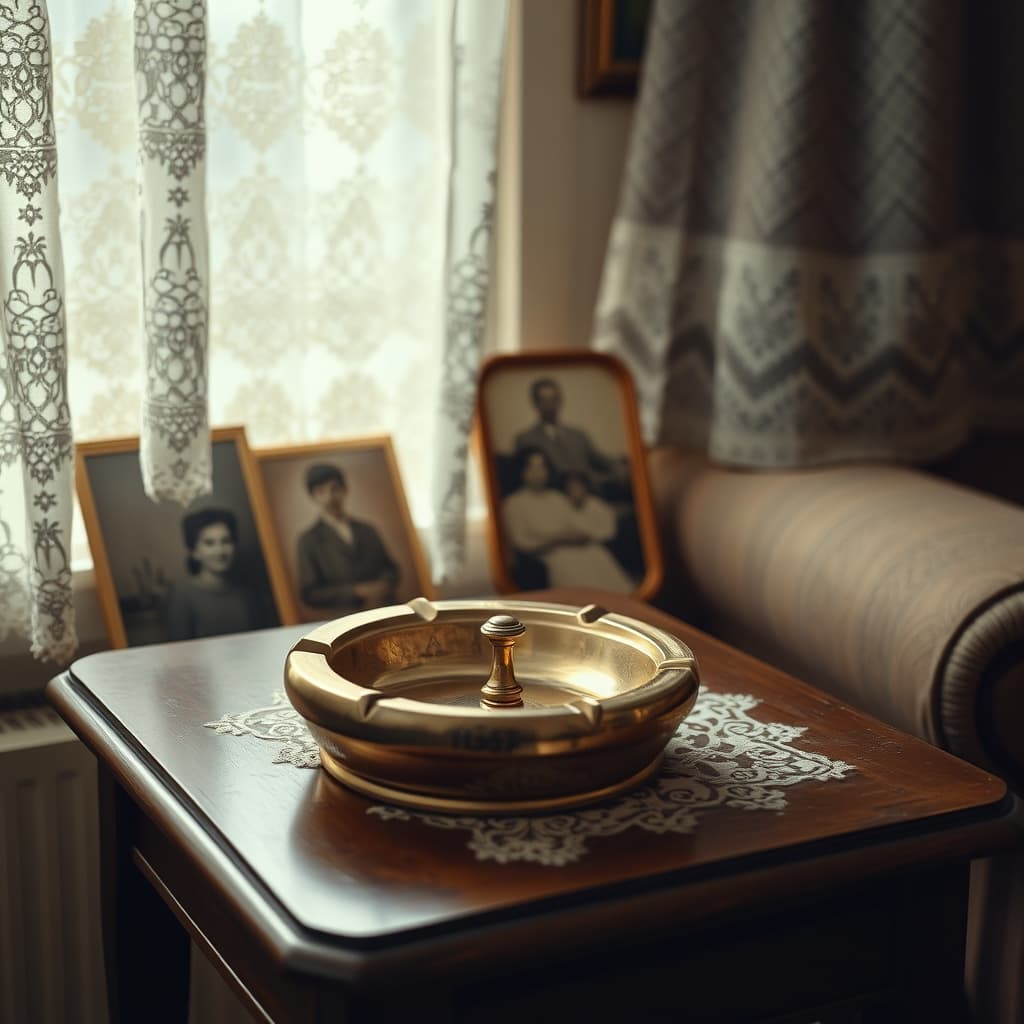
A brass ashtray can catch a collector's eye before its history is known. Warm metal, darkened recesses, engraved lines, and the weight of a cast object create an immediate sense of age. It may have stood on a coffee table, office desk, hotel counter, or café tray. Yet shine and patina do not automatically make it rare. The useful questions begin with manufacture, use, ownership, and documented place.
Ashtrays survive in large numbers because smoking was once accommodated across domestic, commercial, and professional settings. Their presence records a social norm that has changed significantly. Collecting them need not celebrate tobacco. Any responsible interpretation must state that smoking and second-hand smoke cause serious harm, and that the familiar object belonged to environments whose health risks were often minimised, ignored, or poorly understood.
Metal and Making Leave Clues
Brass is primarily an alloy of copper and zinc, though composition and finish vary. An object described as brass may instead be plated, lacquered, or made from another copper alloy. Casting seams, file marks, lathe rings, solder, screw fittings, and underside wear can indicate production steps. A magnet and careful visual inspection offer clues, but reliable identification may require specialist analysis rather than aggressive scratching.
Manufacturers produced plain commercial models, decorative household pieces, advertising gifts, and tourist souvenirs. Motifs could reference a city, hotel, institution, military unit, ship, or traditional craft. Such imagery helps establish context only when linked to catalogues, invoices, maker marks, or credible family records. A seller's confident story is not provenance. Uncertainty should be recorded, not repaired with an attractive legend.
Patina Is Evidence, Not a Certificate
Copper alloys darken through contact with air, moisture, skin oils, polish, smoke residue, and storage conditions. Natural-looking colour can develop unevenly, while artificial patination can be applied intentionally. Patina alone cannot prove age. Brightly polished surfaces may still be old; dark surfaces may be recent. Repeated cleaning can erase tool marks, plated finishes, inscriptions, and residues that help explain the object's working life.
Condition also raises safety questions. Old ash residue, nicotine deposits, sharp edges, unstable corrosion, and unknown polishing compounds should be handled cautiously. Gloves may be appropriate during cleaning, and food utensils should remain separate. Owners should avoid homemade chemical treatments until the alloy and coating are understood. Conservation aims for stability and legibility, not the brightest possible yellow.
The Object Sat Inside Social Change
Placement reveals custom. A large communal ashtray expected several users; a desk model marked individual routine; a branded piece advertised while serving. Hosts once offered ashtrays as ordinary hospitality, and workplaces often treated smoke as unavoidable. Later restrictions, ventilation standards, and public-health campaigns changed those rooms. Comparing photographs and regulations can date shifts in behaviour more accurately than relying on nostalgia.
Market value depends on verified maker, design, condition, rarity, provenance, and demand, not simply material weight or apparent age. Collectors should beware of altered marks, newly cast copies, and over-polished surfaces. Ethical acquisition also requires checking whether a piece could be cultural property, institutional equipment, or an object removed without permission. Documentation adds more historical value than speculation.
A Digital Nostalgia Archive can photograph all sides, transcribe marks, measure dimensions, record weight, and connect the ashtray to receipts, interiors, oral testimony, and health context. Smoke residue should not be romanticised as atmosphere. The brass ashtray matters because it sits at the intersection of design, commerce, hospitality, habit, and changing knowledge about harm. Its surface may gleam, but its fullest story includes what society eventually learned to see.