 Eski Pano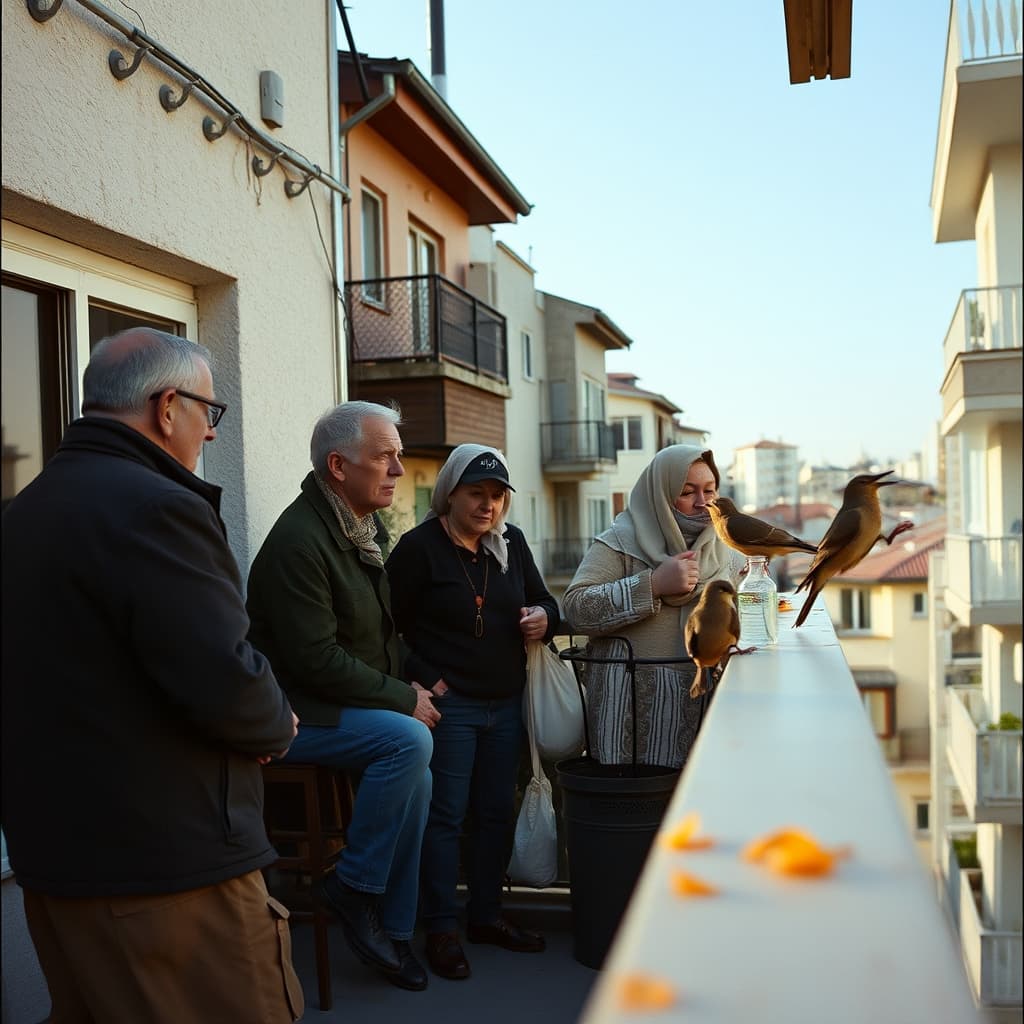
Neighbours who saved stale bread for birds expressed a clear ethic: food should not be wasted, and animals sharing the city deserved care. Crumbs placed on a wall, roof, courtyard, or balcony made compassion visible. That memory belongs in urban history, but current wildlife knowledge asks a harder question—whether a well-meant food is suitable for the species receiving it.
Urban birds are not one group. Pigeons, sparrows, gulls, crows, doves, starlings, waterfowl, and seasonal visitors have different diets, behaviours, and conservation needs. Local climate, disease, breeding season, habitat, predators, and municipal rules also matter. Advice should come from qualified local wildlife organisations, veterinarians, conservation authorities, or species-specific guidance rather than a universal family habit.
Bread Solves Waste More Readily than Nutrition
Bread can supply energy but is often nutritionally incomplete for wild birds, especially when it displaces varied natural food. Salty, sugary, mouldy, flavoured, oily, or heavily processed products create additional concerns. Large pieces can be difficult for small birds, and wet accumulations spoil. Mouldy bread should never be fed; visible mould may extend beyond the obvious patch.
Waterfowl feeding deserves particular caution. Bread and concentrated feeding can alter behaviour, water quality, crowding, and disease transmission. Local authorities may prohibit feeding in parks, waterways, squares, or residential areas. A nostalgic custom does not override current ecological management, and advice for one species or location should not be transferred blindly to another.
Feeding Sites Can Concentrate Harm
Repeated food in one place gathers birds, droppings, rodents, insects, and predators. Shared surfaces can transmit disease, while uneaten food blocks drains or creates odour. Balcony feeding may fall onto neighbours, façades, laundry, vehicles, or pavements. People with respiratory conditions, mobility needs, or fear of birds can experience the practice differently.
If local expert guidance permits feeding, cleanliness, small appropriate quantities, suitable species-specific food, safe location, and removal of leftovers matter. Feeders and water containers require regular hygienic maintenance and may need temporary removal during disease outbreaks. Birds should not be encouraged near traffic, glass collision risks, domestic cats, electrical equipment, or places where people can slip.
Better Care Begins before Bread Becomes Waste
The strongest response to stale bread is often prevention: buy or bake realistic quantities, store correctly, freeze portions, share while fresh, and use safe leftovers in suitable human recipes. Food that has spoiled should be discarded according to local waste guidance. Composting may be appropriate in managed systems, but bread can attract pests if added carelessly.
Urban bird care can also focus on habitat. Native planting, reduced pesticide use, safe water where professionally advised, protection of nesting seasons, collision-reducing window treatments, responsible cat management, and clean public space may offer more lasting benefit than routine bread feeding. Actions should fit local species and building rules.
Archiving this habit requires nuance. Photographs can identify place, date, species if known, quantity, feeder, and surrounding conditions without celebrating unsafe practice. Oral histories should ask why bread was saved, who prepared it, who cleaned afterwards, whether neighbours objected, and how advice changed. Wildlife images should be taken without approaching nests or disturbing animals.
A Digital Nostalgia Archive can connect bird feeding with household bread practices, balconies, courtyards, municipal notices, wildlife surveys, veterinary guidance, photographs, and neighbour testimony. The custom mattered because it joined thrift to kindness. Preserving its best value means allowing knowledge to improve the act: reducing waste first, respecting local rules, protecting health and habitat, and choosing care that benefits birds rather than merely making people feel generous.