 Eski Pano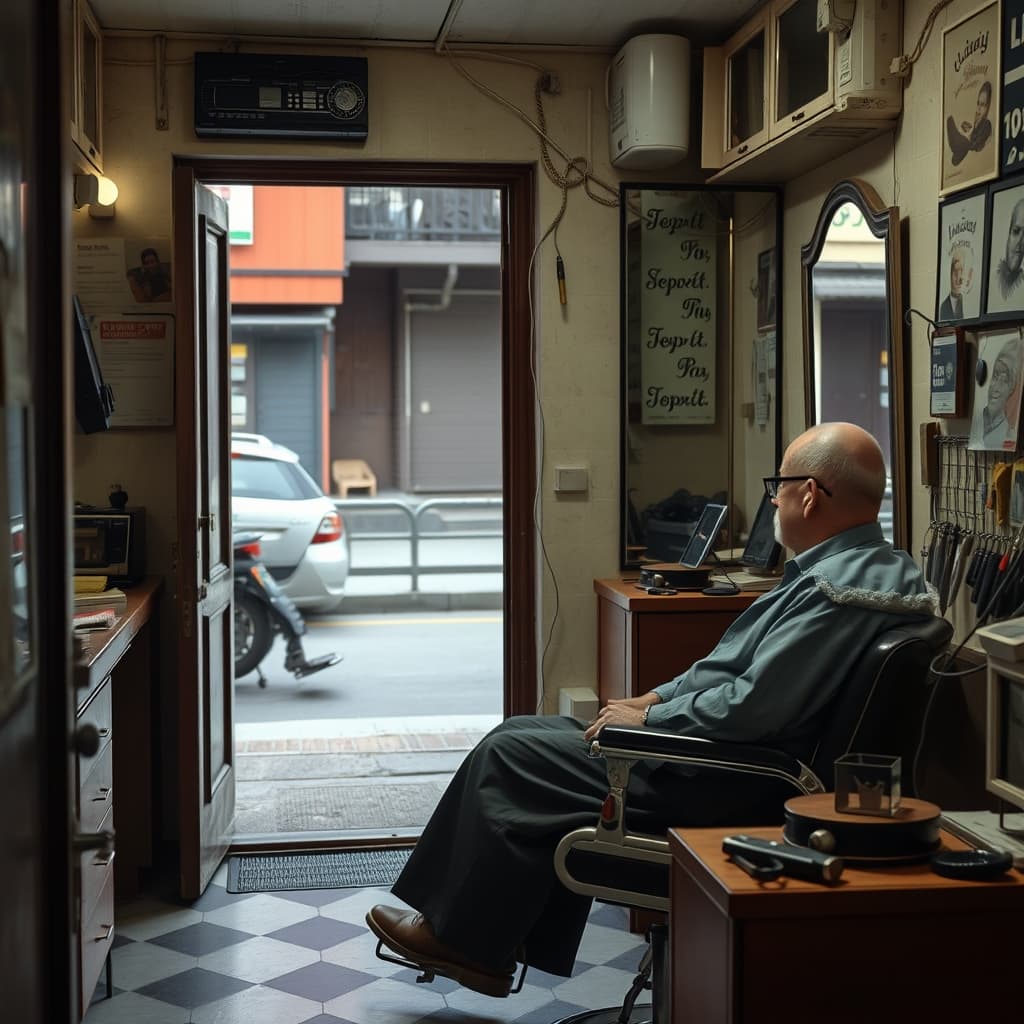
Conversation spilling from a barbershop doorway can make the shop look like a neighbourhood newsroom. That description captures movement but not responsibility. A working barber balanced appointments, tools, hygiene, customers waiting and talk that ranged from public events to private family matters. Recording this culture as oral history requires more than placing a microphone near the chairs. It requires consent, boundaries and attention to the labour continuing beneath the conversation.
Begin with a planned interview when the shop is quiet enough for the barber to choose what to share. Explain the archive, intended audience, storage, editing and withdrawal process. A customer entering for a service has not automatically consented to recording, even if the conversation can be heard from the pavement. Use visible notices only as an addition to direct permission, not as a substitute.
The Chair and the Waiting Bench Held Different Views
Ask the barber to draw the room: cutting chair, mirror, wash area, counter, doorway and places where people waited. Position affected participation. A person facing the mirror could see reactions; someone near the entrance heard street traffic; a child might listen without being invited to speak. These details turn a vague claim about “neighbourhood talk” into a record of how sound and attention moved.
Document the working sequence as well as memorable anecdotes. When were towels prepared, tools cleaned, tea made, breaks taken and walk-in customers fitted in? Which conversations stopped when clippers ran or a telephone rang? The shop’s social role depended on skilled service and commercial survival. Treating the barber only as a colourful storyteller erases that work.
Widely Repeated Does Not Mean Verified
A story told by several customers remains testimony until supported by evidence. Preserve phrases such as “the speaker remembered” and “people in the shop said” rather than converting them into fact. Avoid naming individuals in accounts of debt, health, politics, relationships or conflict without a clear public-interest reason and appropriate permission. Old gossip does not become harmless merely through age.
The barber may have learned when to redirect conversation, lower a voice or refuse a question. Ask about those moderation practices without demanding examples that expose clients. Silence can demonstrate professional trust. A useful archive records the existence of boundaries and the speaker’s decision not to cross them.
Consent Must Continue After Recording
Provide a chance to review a transcript or summary, correct names and restrict sensitive sections. Keep the unedited master secure and document any cuts in the access copy. Translation needs similar care: tone, hesitation and local expressions should not be sharpened into accusations. If a participant changes their mind within the agreed process, the archive should know how to respond.
Photographs also require permission. Mirrors can reveal people outside the intended frame; appointment books, payment notes, medicine and telephone numbers may be visible on counters. Stage nothing that interferes with hygiene or customer safety. Photograph tools only when the barber can prepare them, and do not ask someone to pause mid-service for a nostalgic composition.
A diverse set of voices prevents one shop regular from becoming the whole neighbourhood. Where appropriate, invite workers, customers of different ages, nearby tradespeople and people who did not feel welcome. Barbershops can support belonging while also reflecting gender, class, political or social exclusions. Recording both connection and absence produces a more credible history.
Street sound belongs in the description: the door opening, greetings, traffic and nearby businesses. However, ambient audio can capture bystanders who never consented. Record controlled sound samples or remove identifiable speech. Note the time and conditions so future listeners understand that the clip is an example, not a continuous untouched day.
The bond between barber and local tradespeople grew through repeated transactions, referrals, credit, practical help and recognition. It was not guaranteed warmth. Oral history can show when that network supported someone and when its expectations became pressure. A Digital Nostalgia Archive preserves the barbershop best by respecting the same discretion that allowed conversation to flourish: listen closely, verify carefully and leave private matters in the chair when they do not belong in public.