 Eski Pano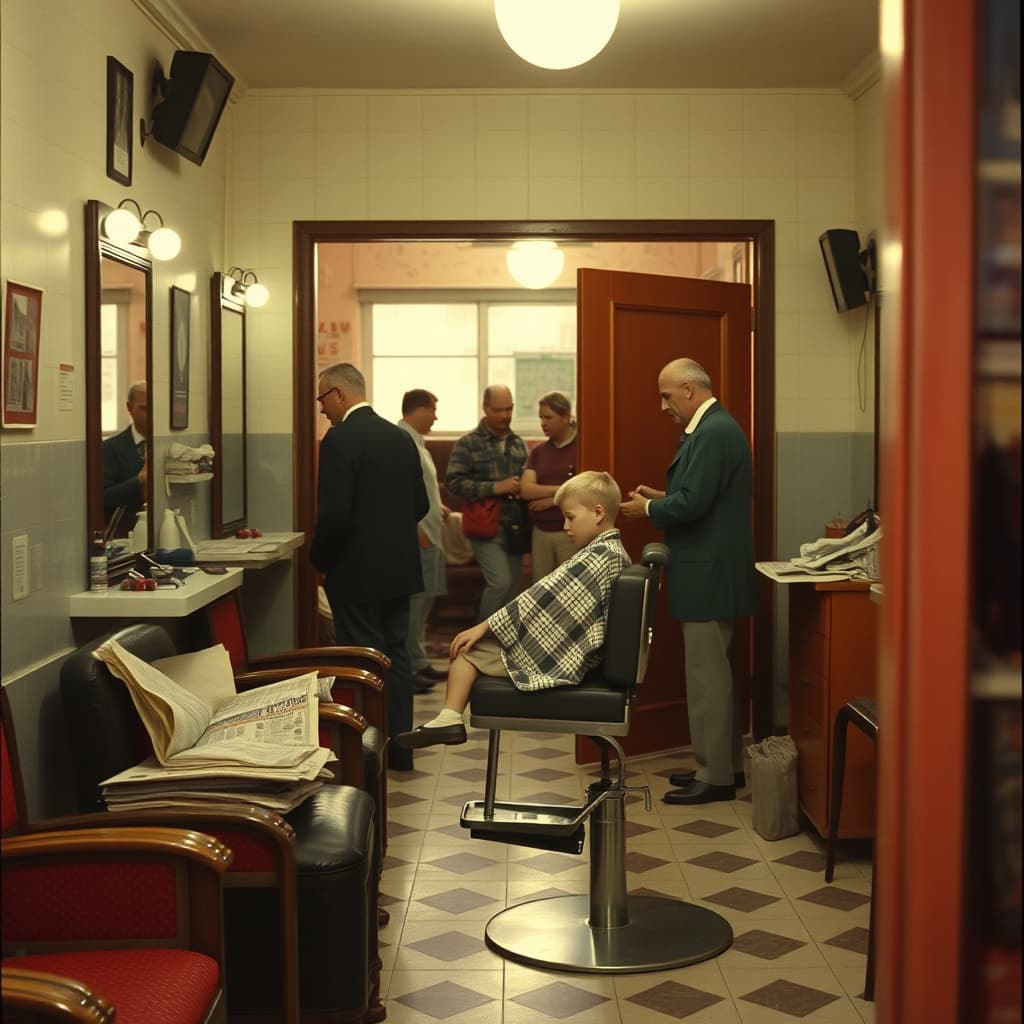
A neighbourhood barbershop could hold more conversation than customers. People stopped at the doorway, occupied a waiting chair or added a comment from the pavement. Mirrors multiplied faces and made the small room appear crowded. For a child awaiting a haircut, adult talk, clipper sound and the smell of cologne formed one inseparable memory.
The shop was a workplace before it was a social stage. Haircuts, shaves, cleaning, appointments, supplies and accounts structured the day. Conversation filled the intervals, but the barber continued skilled handwork while listening. A lively room depended on concentration that photographs rarely show.
The Waiting Chair Created an Informal Forum
Newspapers circulated, sports and local news were debated, and information about jobs, illness or municipal problems travelled. The shop's street-facing position connected private grooming to public life. Yet not everyone felt equally welcome. Gender, age, politics and social convention shaped participation.
Talk could create solidarity and practical help, but it could also spread rumour or expose private matters. The barber often managed tone, changed the subject or protected a client who could not easily leave mid-cut. Trust depended on discretion as much as familiarity.
A Child Remembered the Whole Performance
The raised board across chair arms, protective cape and instruction to keep still turned a first haircut into ceremony. Scissors near ears could frighten, while a sweet or reassuring joke eased the wait. Children watched shaving foam, brushes and repeated gestures before understanding the craft.
Care should not be romanticised as universal. Children deserve explanation, consent appropriate to age and safe equipment. Humiliation or force is not a charming tradition. The memory is warm when skill and patience made a vulnerable customer feel secure.
Hygiene Set the Limit of Shared Tools
Combs, razors, towels and clippers move close to skin. Cleaning, disinfection, hand hygiene and single-use blades are essential. Historic images of tools in jars cannot prove effective sanitation. Modern practice must follow current health standards rather than reproduce an old appearance.
Workers also faced repetitive strain, standing, chemical exposure and long hours. Ventilation, lighting, adjustable equipment and rest protect the person providing the service. Conversation should not hide the physical demands of continuous grooming work.
The doorway connected talk to the wider street. Delivery workers asked directions, former customers waved and people checked the queue before entering. This permeability made the shop socially visible, but it also brought dust, traffic noise and interruptions that the barber had to manage without compromising a precise cut.
Appointment customs changed the atmosphere. Walk-in queues encouraged long shared waiting, while scheduled times reduced crowding but shortened casual encounters. Both systems reveal how the shop balanced efficient work with its neighbourhood role.
A Digital Nostalgia Archive can record shop layouts, tools, price lists, appointment books, newspapers and oral histories from barbers, clients and people excluded from the space. Private stories require consent. The barbershop remains strong in childhood memory because it concentrated sound, reflection and adult society into a small room. Its neighbourhood value came from more than talk: skilled work created the reason to gather, and professional care set the conditions under which conversation could safely spill into the street.