 Eski Pano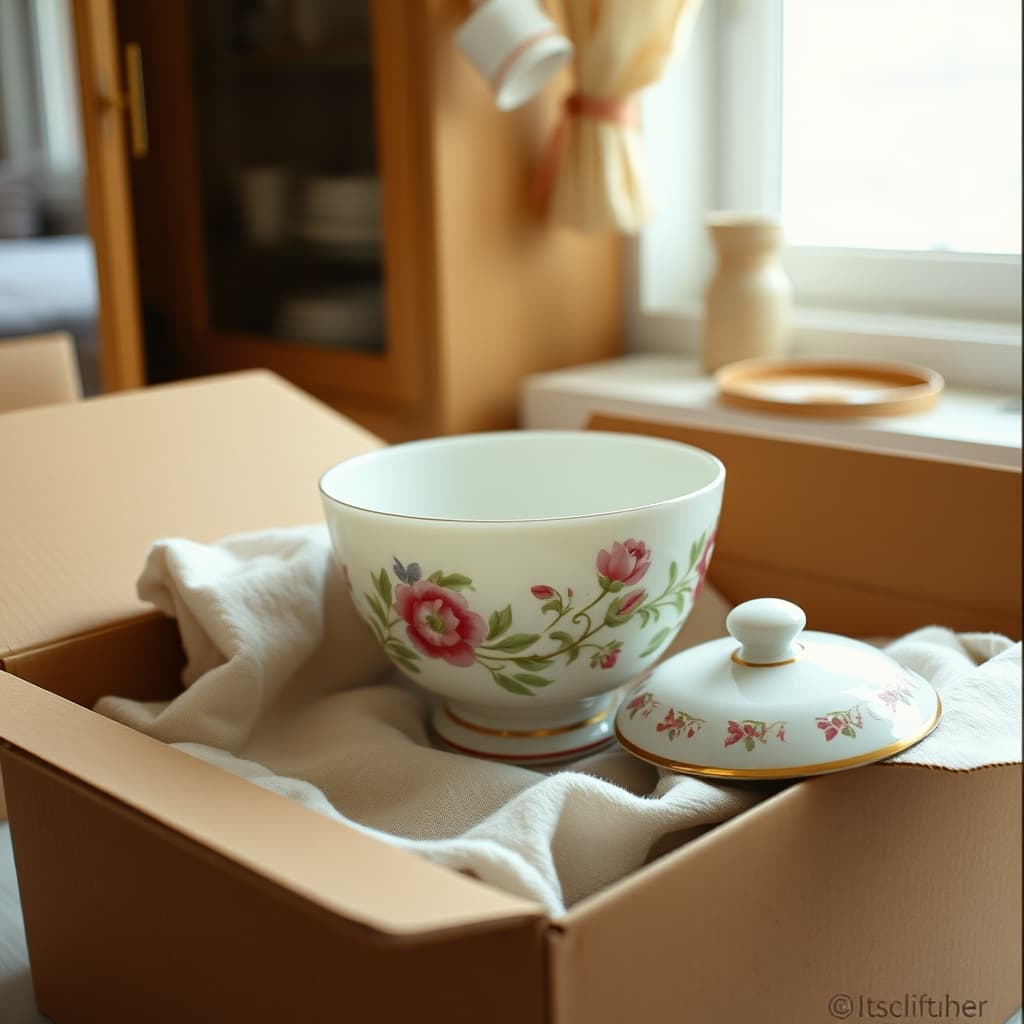
A porcelain sugar bowl might survive several addresses while larger furniture disappeared. Wrapped in newspaper, cloth or a towel, it travelled inside a box marked for the kitchen. At the next home it returned to a cabinet or tea tray, carrying continuity into unfamiliar rooms. Its value grew not through size, but through repeated decisions to pack it again.
Porcelain is a broad technical category, and family language may call many glazed ceramic objects porcelain. Body colour, translucency, glaze, decoration and maker marks offer clues. Identification should remain cautious when the base is unmarked or when factory marks were copied across periods.
The Base Can Hold a Travel Document
A stamped or painted mark may identify manufacturer, series, country or decorator. Registration numbers and import labels can narrow dates. Marks must be read alongside reliable catalogues because style alone is easily imitated. A retailer's sticker can be as useful as a factory emblem.
Scratches on the foot ring, sugar residue and wear around the lid show use. A replacement spoon or lid may have joined later. Mismatched parts do not make the object worthless; they reveal how families maintained function after breakage or loss.
Moving Exposed the Bowl to Particular Risks
The lid and body should be wrapped separately so their hard edges do not strike. Empty space inside a box allows movement, while excessive pressure cracks handles and finials. Newspaper was historically common but can transfer ink and acids; archival storage now benefits from clean tissue and stable padding.
Temperature change matters after transport. A cold ceramic object should acclimatise before washing. Existing hairline cracks can extend under hot water or impact. Adhesive repairs may weaken with age, and repaired vessels should not automatically return to food service.
Family Memory Needs an Inventory
Different relatives may remember who bought the bowl or which house first displayed it. Each statement should be attributed. Photographs can confirm the object at a tea table, while wedding lists, receipts and moving inventories strengthen provenance. Uncertainty is part of an honest record.
For display, a stable shelf, discreet support and distance from the edge reduce risk. Lid and body should not bear unnecessary tension. Strong sunlight can fade overglaze decoration. Dusting with careful support is safer than frequent washing.
The contents changed with each home. Granulated sugar, wrapped sweets or an empty decorative display left different residues and risks. Identifying past use helps decide cleaning and whether the bowl should hold food again. An heirloom can remain meaningful even when conservation requires retiring it from service.
Packing labels from a move can be surprisingly valuable. A box number or room name ties the bowl to a specific address and confirms that the family deliberately kept it within the protected kitchen group.
A Digital Nostalgia Archive can photograph every side, the base mark, cracks, repairs and the object in family images. A timeline can link each known address without inventing missing years. The renewed interest in porcelain sugar bowls reflects more than decorative fashion. Such a bowl demonstrates how a household chooses continuity: among many possessions, one small covered vessel repeatedly earned space in the box, survived the road and resumed its familiar place beside tea.