Eski Pano
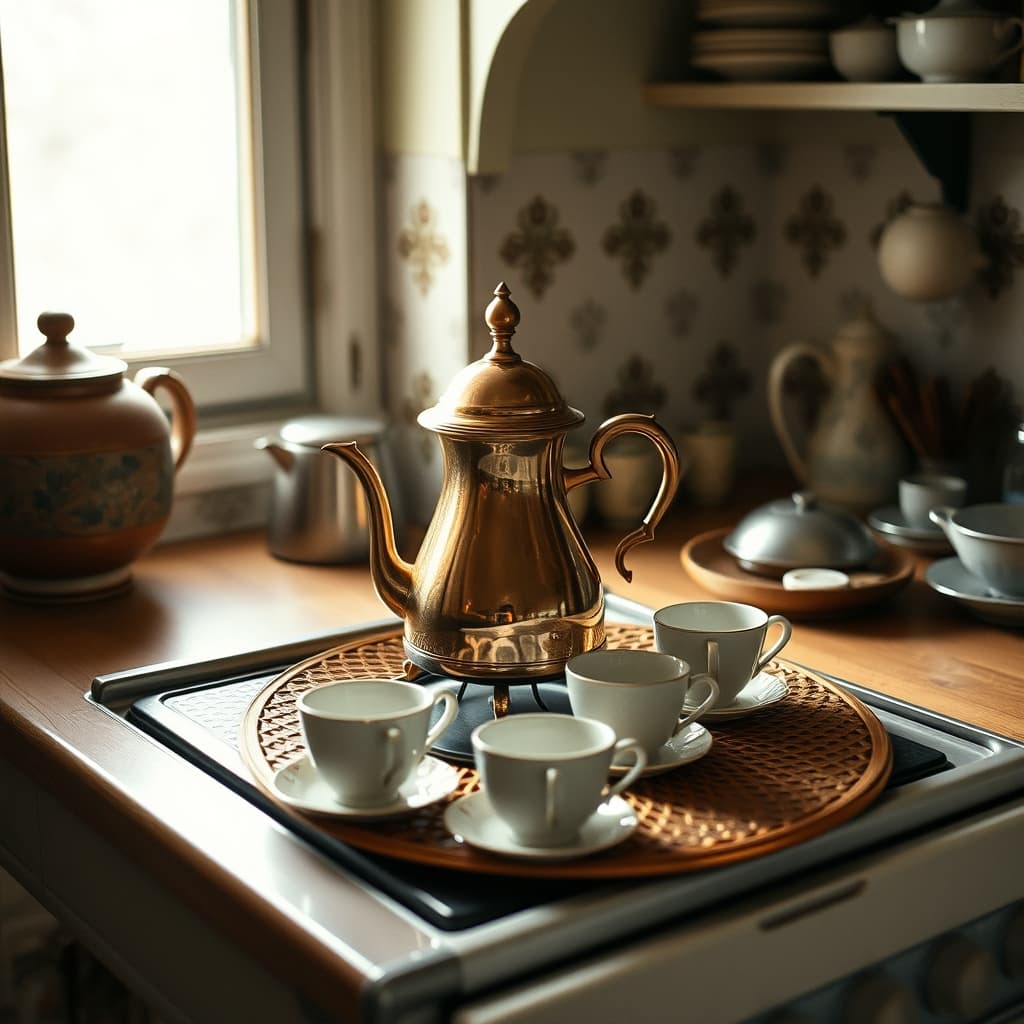
There was a time when some of the most frequently used objects in the kitchen were also the least discussed and the most deeply remembered. The copper coffee pot was one of them. Standing by the stove with its body slightly darkened by use, this small object looked like nothing more than a practical vessel for making coffee, yet it quietly carried the rhythm of the home, the manner of receiving guests, and the grace of ordinary life. When it was placed on the heat for a single morning cup, it meant one thing; when several portions were prepared in the afternoon because a neighbor had come by, it meant another. The familiar feel of its handle, the attention required while waiting for the coffee to rise, and the scent moving through the kitchen turned this small object from a utensil into a part of memory.
Viewed through the lens of object stories, the copper pot is one of the clearest examples of everyday life and aesthetic taste blending naturally into one another. Copper was chosen not only because it conducted heat well, but because of the warm, unpretentious shine it brought to the kitchen. Its tinned inner surface, hammered traces, slender handle, and the changing tones formed over time all carried the relationship that hand labor once established with domestic objects before or during early industrial production. It is no coincidence that the copper coffee pot held a special place in dowry lists, kitchen displays, and coffee sets. It was one of the details that made a household appear not only functional, but measured and refined. The elegance of the vessel that prepared the coffee mattered almost as much as the coffee itself.
The trace it left without calling attention to itself is hidden above all in repeated gestures. Measuring the water not by strict calculation but by practiced instinct, staying beside the stove so the foam would not be lost, watching the thin rise at the lip of the pot with care, all of these created a quiet harmony between object and person. Because the pot always stood in the same place in the kitchen, it often went unnoticed, yet it shared in countless moments, from the first cup offered to a guest to the coffee that accompanied a solitary morning. When a mother taught her daughter how to prepare coffee, the first object she placed in her hand was often the copper pot. That is why the cultural inheritance carried by the object lives not only in its material, but in the knowledge of movement passed from one generation to another.
Its ability to reflect the taste of an era came not from excessive display, but from serving an idea of life that was simple and attentive at once. In older homes, beauty was often sought not in large and assertive furnishings, but in small objects used every day. A polished coffee pot, a tray covered with lace, narrow-waisted glasses, or neatly arranged cups all revealed the household's way of looking at the world. The ordinary and the beautiful were not kept apart. For that reason, the copper coffee pot was not just a tool in the kitchen, but a small and powerful sign of domestic etiquette, hospitality, and restrained aesthetic judgment.
When we look at a copper coffee pot today, we rarely see only an old kitchen object. Morning coffees, neighborly visits, holiday rushes, marriage visit preparations, and the stillness of late afternoon all seem to have gathered inside it. The unseen trace it left within everyday use becomes clear precisely here: some objects become unforgettable not because they changed life, but because they accompanied its most natural flow. The copper coffee pot reflects the taste of an era so strongly for this reason. It reminds us of a time when beauty could continue to live inside use without diminishing.
The Copper Coffee Pot and the Trace It Left Unseen Within Everyday Use: How Did It Reflect the Taste of an Era?