 Eski Pano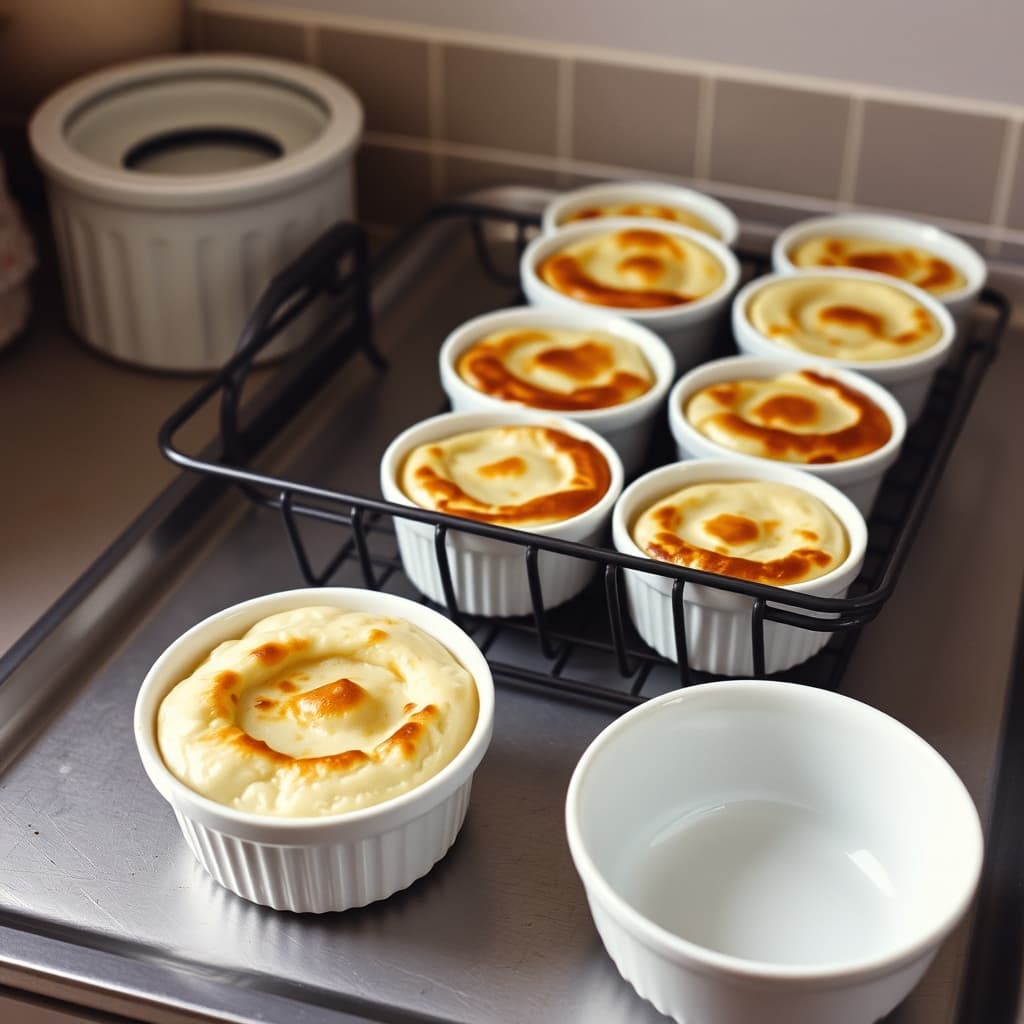
Baked rice pudding was already divided before it reached the table. Its small bowls made a tray look like a set of invitations: one portion for each person, with a browned surface that could differ slightly from its neighbour. When some bowls went to another home, the dessert carried a practical promise as well as affection. The recipient received a serving, and the vessel began a return journey.
Fırın sütlaç varies between households and professional kitchens. Rice, milk, sweetness, thickening and the degree of browning are not identical everywhere. A cultural account need not settle which version is authentic to understand the sharing routine. The significant feature here is the individually baked portion: a dessert made as several complete units rather than cut from a single large dish.
The Tray Held Differences Within a Batch
Bowls at different positions could acquire different colour, and family preferences might determine who received which one. Someone wanted a darker top, another preferred less browning. Such choices turn an apparently uniform dessert into a small domestic negotiation. They should be recorded as a household practice, not a claim about every Turkish table or the behaviour of every oven.
The surface and interior offered contrasting textures. A spoon passed through the browned top into a softer milk-and-rice body, sometimes meeting a denser layer below. Temperature and resting altered the impression. A memory of the first spoonful therefore belongs to a serving moment as well as a recipe. Asking whether the bowl was warm or chilled can be more revealing than demanding an exact ingredient weight.
Sharing Required Time After Baking
The tray could not move directly from oven to a neighbour’s hands. Bowls and contents retained heat, and arranging a delivery required cooling, a stable carrier and a recipient ready to receive them. This practical interval was part of the household’s work. For any present-day reconstruction, use current food-safety guidance for dairy and cooked rice rather than treating a remembered wait on the counter as a safe instruction.
A shared portion might mark a visit, reciprocate help or simply accompany a batch larger than the family needed. The reason should come from testimony. It is tempting to describe every delivered bowl as proof of limitless generosity, but sharing also depended on ingredients, fuel, time and available dishes. A neighbour could appreciate the gesture without being expected to answer immediately with another dessert.
The Empty Bowl Continued the Exchange
Returning a bowl required recognition: whose vessel was it, where should it go, and was it clean and intact? Familiar shapes or a household mark could help. Dishes sometimes waited by the door until the next visit. That delay was not necessarily carelessness; it belonged to the rhythm of errands and encounters. The object linked the two homes after the food itself had disappeared.
A dish returned with another offering is one possible practice, not a universal rule. Expectations could make reciprocity warm or burdensome, particularly for someone with little time or money. An honest account includes the freedom to accept without turning every gift into debt. The sharing culture is more credible when its limits are acknowledged.
Serving vessels also connect home and shop. A family could prepare the pudding or buy portions from a trusted seller, and containers changed how it travelled. Do not infer handmade preparation solely from a familiar ceramic bowl. Record where the dessert came from, who carried it and whether the vessel belonged to the household, the seller or a later reconstruction.
Photographs can preserve the whole tray, the chosen portion, the carrier and the empty dish awaiting return. Ask permission before identifying neighbours, and describe staged scenes clearly. An inherited bowl may be suitable for display rather than food; use a safe modern vessel when its condition or material is uncertain. Cultural documentation does not require risking a fragile keepsake.
For a Digital Nostalgia Archive, baked rice pudding’s sharing story lies in this complete circuit. The browned bowls moved from batch to preference, from kitchen to doorstep and from empty vessel back to owner. Texture carried the taste memory, but timing, work and returned dishes carried the relationship. Remembering both keeps the dessert from becoming only a sweet image of an ideal neighbourhood.