 Eski Pano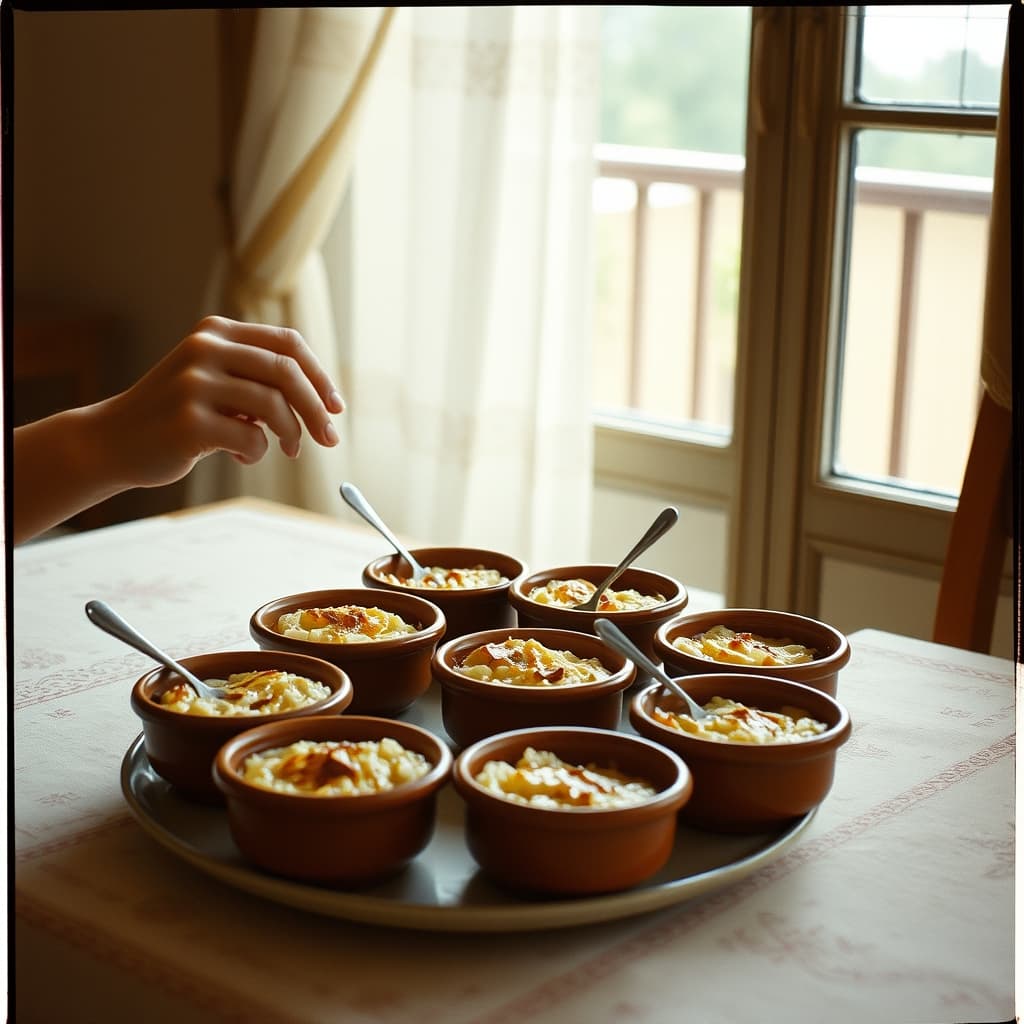
A spoon breaking through the browned top of baked rice pudding can release more than the scent of milk and vanilla. For many people in Turkey, fırın sütlaç recalls the clink of small bowls, the warm window of a neighbourhood pudding shop, or a tray cooling in a family kitchen. The memory feels immediate because taste combines texture, temperature, smell, and setting before a story has time to form.
There is no single household recipe. Proportions of rice, milk, sugar, starch, egg yolk, and flavouring vary by region, shop, budget, and generation. Some cooks rely on rice starch released through patient simmering; others add starch for consistency. Some use egg for colour, while others brown the surface through intense upper heat. A responsible culinary archive records the method rather than declaring one version universally authentic.
The Texture Began Before the Oven
Rice was washed and cooked until tender before meeting milk, or simmered gradually within the milk depending on the recipe. Heat needed attention: too fierce and the bottom caught; too low and the mixture remained thin. Stirring controlled scorching while allowing the grains to soften. Sugar was often added after the rice had cooked sufficiently, because sweetness and liquid balance affected the final body.
The mixture was portioned into heatproof bowls, traditionally including shallow earthenware dishes in many shops and homes. A tray of water could moderate the oven's heat and help prevent harsh curdling. The coveted dark patches formed near the top element or in a hot oven, but the aim was a roasted milk surface rather than an acrid burn. Every oven behaved differently, so experience mattered more than an exact number in a notebook.
Cooling Was Part of the Recipe
Fresh from the oven, the pudding remained loose and dangerously hot. Cooling allowed starches to settle and the surface to firm. In earlier kitchens, cooks managed limited refrigeration with care and timing; modern food safety requires prompt cooling and cold storage. Milk-based desserts should not sit for long at warm room temperature, especially in summer. Nostalgia is no substitute for clean utensils, reliable refrigeration, and safe dairy.
The serving moment created its own ritual. Bowls might appear after dinner, arrive from a trusted shop in a cardboard tray, or be carried to relatives. One child wanted the darkest top; another scraped it aside. Cinnamon, crushed nuts, or no garnish at all reflected household taste. These small disagreements made the dessert personal. The recipe was shared, but each eater developed a preferred edge, centre, temperature, and degree of browning.
A Modest Dessert Carried Social History
Milk puddings connect domestic cooking with dairies, neighbourhood shops, restaurant culture, and older palace or urban culinary traditions, though specific lines of descent require documentary evidence. Ingredient prices shaped frequency and portion size. A family might reserve baked sütlaç for a weekend or celebration, while a specialist shop served it daily. The bowl therefore records both affection and the economics of milk, sugar, fuel, and refrigeration.
Commercial production introduced standard portions and predictable texture, yet customers continued to judge individual trays by colour and freshness. Shop windows turned rows of browned bowls into an edible display. Delivery, takeaway packaging, and changing ovens altered how the dessert travelled. Family recipes also changed when cooks moved abroad and adapted to unfamiliar rice, milk fat, dishes, or oven settings.
A Digital Nostalgia Archive can preserve handwritten recipes, shop menus, bowls, oven photographs, dairy invoices, and interviews with cooks. Quantities, cooking times, equipment, and food-safety context should accompany recollection. The archive should credit the hands that prepared and washed up, not present comfort as effortless. Fırın sütlaç tastes like childhood because it was repeated: the same patient stirring, the same tray of uneven brown tops, and the same anticipation while the bowls cooled just beyond reach.