Eski Pano
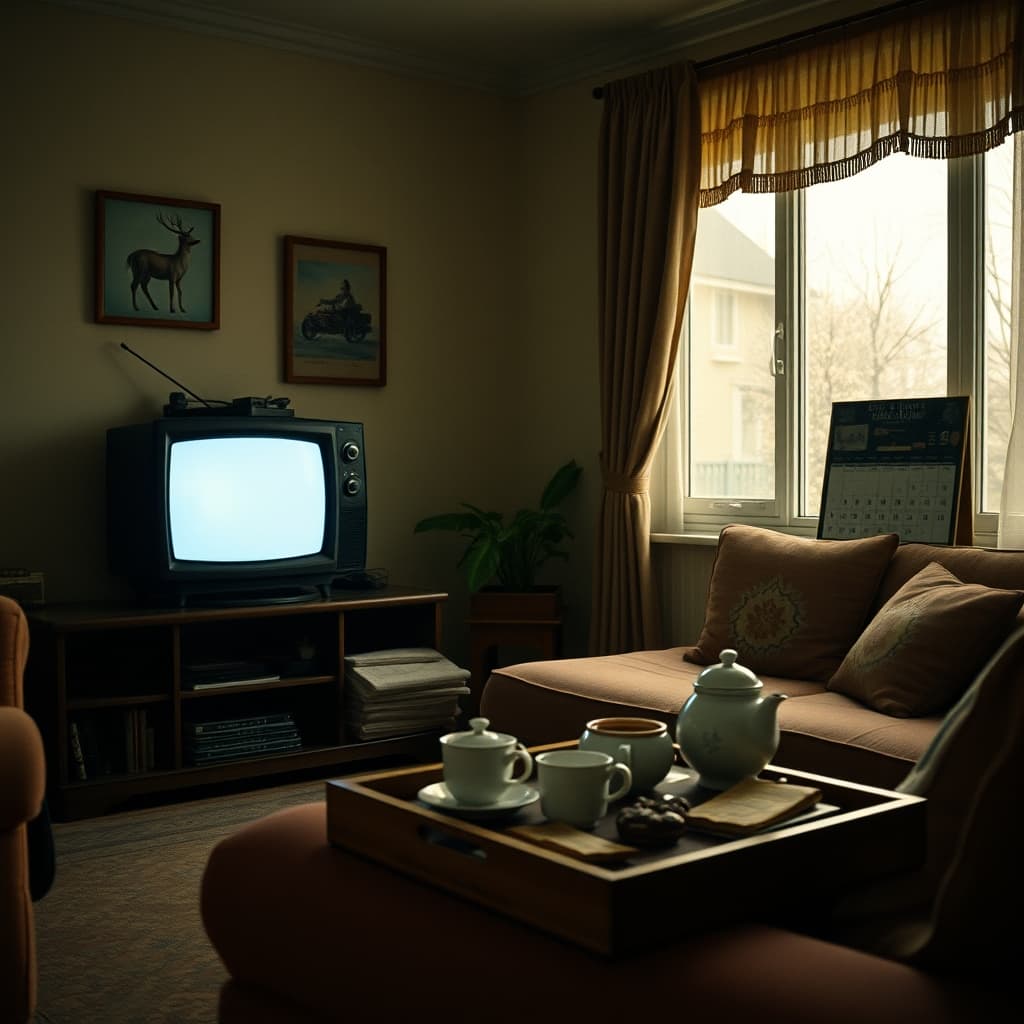
As the holiday drew near, the tension inside the home was not felt only in the kitchen or in the fresh covers placed over the sofas. The television set standing in the most carefully watched corner of the sitting room also became one of the quiet heroes of preparation. The effort to turn the antenna a little to the right, then a little to the left in search of a clearer picture, the impatient waiting of children, and the adults calling out, “Is it better now?” all blended into the rhythm of the holiday eve. Just as each torn calendar page created excitement by bringing the feast closer, the screen clearing from static into a visible program produced a similar joy. That is where the unforgettable side of the analog age was hidden: even reaching the image became a shared event in itself.
From the perspective of technological heritage, the hours spent before a television with its antenna adjusted show that the device was not merely an object, but a builder of family time. Unlike today’s screens, which open with a single touch and present perfect images, the relationship with broadcasting in those years demanded effort. The direction of the rooftop antenna, the reliability of the cable, the warming of the tube screen, and the sudden rise and fall of the sound turned technology into part of the household’s daily conversation. Especially before a holiday, while new clothes were being prepared and guest lists discussed, the special television programs of the season extended that domestic excitement. In this way, the television became something not only watched, but awaited, adjusted, and shared as a family.
For that reason, the image of turning old calendar pages feels especially fitting. The final sheets hanging on the wall, the candy bowls being filled, the cologne bottles refreshed, and the smell of sweets drifting from the kitchen made the hours spent before the television almost tangible. For a child, it mattered how many days remained until the holiday morning, but it also mattered what film, music program, or entertainment show would air that evening. Adults wanted not to miss the news, while the younger ones waited for cartoons or festive broadcasts. The broadcast schedule was part of the shared calendar. If the antenna was badly aligned, not only the picture but also the taste of that common anticipation felt incomplete. A small technical effort involving everyone therefore became part of the emotional order of the house.
Another reason the excitement of the analog age remains unforgettable is that imperfection was accepted as part of life. There might be crackling on the screen, one person would walk over and tap the television gently, and another would check the cable near the window. All of this may look like inconvenience today, yet at the time these were gestures that domesticated technology. In homes busy with holiday preparation, such little disruptions were less a source of irritation than a shared occupation. Once the television was on, the direction of the armchairs was settled, tea glasses arranged on a tray, another plate brought from the kitchen during the advertisement break, and the conversation around the screen widened. The imperfect nature of the device did not reduce togetherness. On the contrary, it gave that togetherness its rhythm.
When one thinks today of those old calendar pages, it becomes easier to understand why the hours spent in front of an antenna-adjusted television were never forgotten. What lived there was not only technology, but a culture of waiting. The excitement that grew as the holiday approached, the expectation of guests, the evening shaped according to the broadcast hour, and the tiny feeling of victory when the image finally became clear all met in the same field of memory. That was part of the magic of the analog age: not perfection, but a joy built through effort. When those hours before the television are remembered now, the rustle of the old calendar, the scent of cologne, and the brief clarity made possible by a carefully adjusted antenna all return together. In such moments nostalgia makes visible once more the family time that had been built around a single device.
The Hours Spent in Front of a Television with Its Antenna Adjusted: Telling the Unforgotten Excitement of the Analog Age While Turning Old Calendar Pages Amid Holiday Preparations