Eski Pano
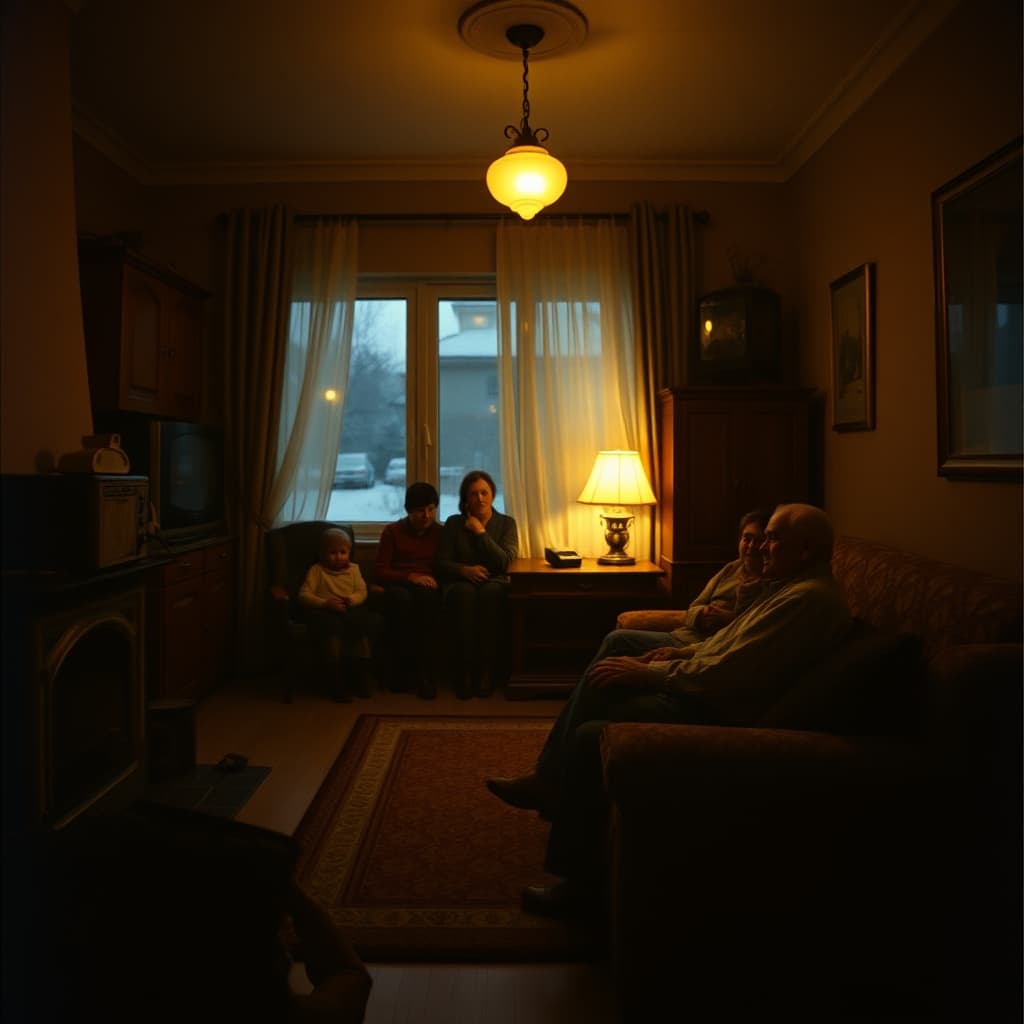
There was once a time when, in the evening, the living room light was switched on with a little more care, the coffee table was tidied, and everyone in the house found themselves listening toward a single point without quite realizing it. If there was an answering machine at home, that small device did more than record voices; it gathered the household's sense of waiting into itself. Who had called, at what hour, whether the message carried seriousness or cheer, any of it could alter the mood of the whole room. On winter nights spent near the stove, while the street outside fell quiet, the brief beep of that machine opened a tiny doorway and brought unfinished possibilities back to life in every mind. The excitement of that moment was not loud. It was a quiet, attentive, inward kind of analog curiosity.
As technological heritage, the answering machine was more than a practical addition beside the telephone. It belonged to missed moments, unanswered calls, and voices heard later than they were spoken. If no one was home when the phone rang, the caller's voice was entrusted to the device, and in that way even absence became recorded. This changed the culture of communication inside the home. People spoke with more thought, paid closer attention to tone, and tried to leave both information and feeling within a few seconds. The blinking light on the machine created a curiosity almost like seeing an unopened letter waiting on a table. The feeling that "there is a message" contained a slower, more ceremonial, more heart-adjacent suspense than today's instant notifications ever do.
The fact that this excitement was often shared by the whole family says much about the spirit of the era. Even when a message had clearly been left for one person, the first listening often became a collective moment. Everyone gathered in the living room, the volume was raised, children were motioned to stay quiet, and then the slightly crackling recorded voice was heard with care. It might be a relative calling, a piece of work news, or someone from a distant city simply asking after the family. What mattered was not only the content of the message, but the sense of distance it carried. In the analog age, the preservation of a voice felt a little miraculous. Those recordings, heard in the stillness near the stove, brought not only information into the house, but also the pulse of the wider world. In its small body, the answering machine built an invisible bridge in the middle of the room.
Today, voice notes, call logs, and notification screens are ordinary parts of life. Yet the mark left by the old answering machine is different, because it made waiting meaningful rather than speed. A message listened to together was not merely a tool of communication, but a shared emotional event. Perhaps the unforgettable thrill of the analog age lies precisely there: the delayed arrival of a voice, the curiosity stretching a few minutes longer, and an entire room turning silently toward the same sentence. Like an old melody lingering in the mind, the answering machine still plays softly in the background of remembered domestic life. It may seem forgotten now, yet it remains one of the warmest, most human, and most curiosity-filled devices of home technology from its time.
The Quiet Excitement of Families Gathered in the Living Room and the Answering Machine: Telling the Unforgotten Thrill of the Analog Age with an Old Melody Lingering by the Stove in Silence