 Eski Pano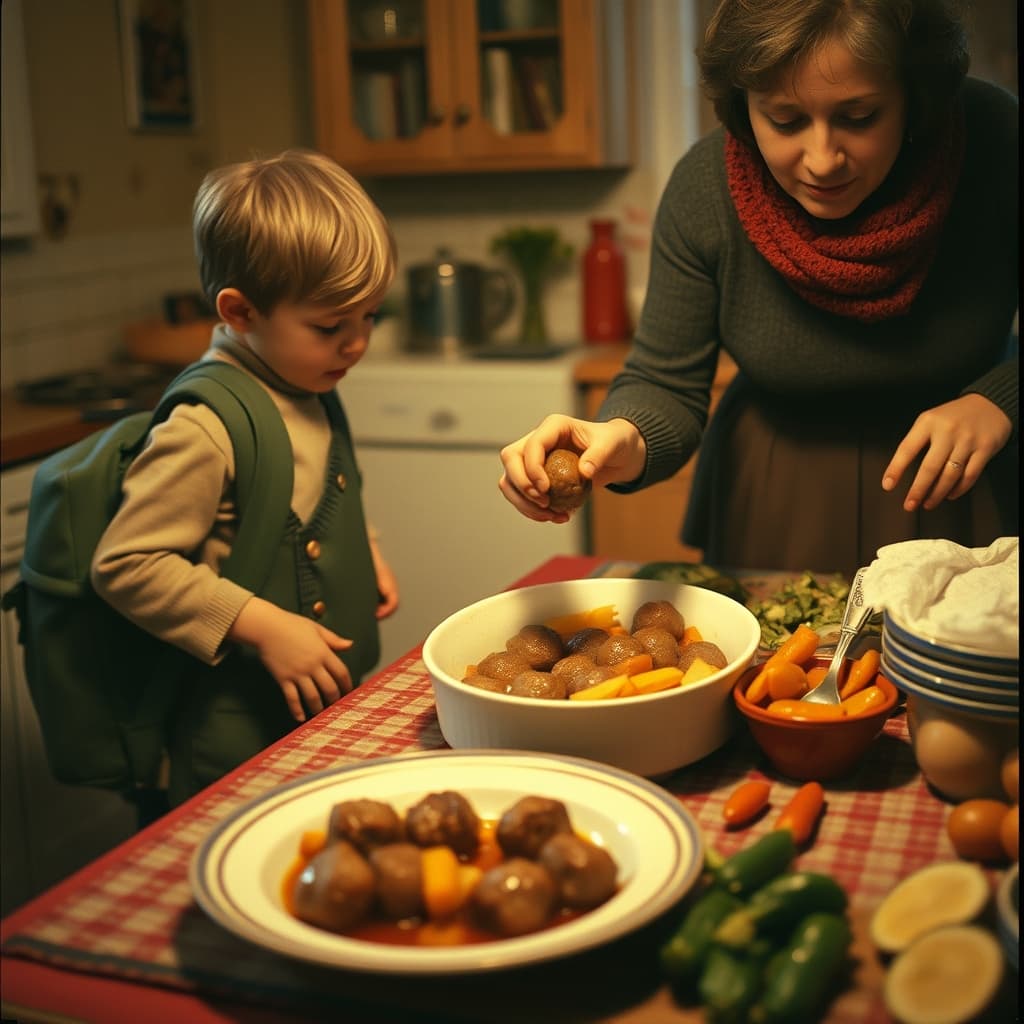
A plate of meatballs after school could make the changing season feel settled. A cooler corridor, a damp coat, new notebooks, or earlier dusk met the smell of browned meat, bread, onion, and spices. The first fork reached the plate quickly because hunger had travelled home with the child. Comfort came from recognition, but the meal depended on planning that began well before the door opened.
There is no single recipe for anne köftesi, or mother's meatballs. Families vary the meat, fat, bread or breadcrumbs, onion, garlic, parsley, cumin, pepper, egg, milk, cheese, and resting time. Shapes and cooking methods include pan-frying, grilling, baking, simmering, or combining meatballs with vegetables and sauce. A cultural archive should record the actual cook and method instead of turning motherhood into one standard flavour.
The Recipe Balanced Economy and Texture
Bread could retain moisture, soften texture, stretch available meat, and carry seasoning. Onion contributed flavour and water; kneading distributed ingredients and developed structure. Too much mixing can make some mixtures dense, while insufficient binding may cause breakage. These choices reflect household taste, meat quality, equipment, budget, and the meal planned around the meatballs.
Seasonal accompaniments changed the plate. Tomato and peppers might dominate warmer weeks, while potatoes, soups, preserved vegetables, yogurt, or grains became more prominent as weather cooled. The shift was not identical everywhere. Market supply, region, refrigeration, school hours, fuel, and income mattered more than a fixed calendar.
Advance Preparation Needed a Cold Chain
Minced meat is highly perishable because grinding increases exposed surface area. It should come from a reliable source, remain properly chilled, and be prepared with clean hands, utensils, and surfaces. Raw meat must stay separate from bread, salad, cooked foods, school bags, and frequently touched objects. Washing raw meat can spread contamination and is not a substitute for cooking.
Preparing a mixture in advance can save time, but refrigeration duration and freezing methods must follow current food-safety guidance. A forgotten tray at room temperature is unsafe even if the kitchen feels cool. Frozen portions need safe thawing, clear dates, and protection from cross-contamination. Children arriving hungry should not taste raw mixture or handle uncooked meat.
Browning Was Not the Only Safety Test
Colour and juice are unreliable indicators of doneness. Meatballs need a safe internal temperature appropriate to the meat and local public-health guidance, checked with a clean food thermometer in a representative piece. Very small or uneven shapes cook at different rates. Burnt surfaces do not compensate for an undercooked centre.
Cooked meatballs should be served promptly or held and stored at safe temperatures. Leftovers need rapid cooling in suitable containers, refrigeration, and thorough reheating within recommended times. Repeated warming and cooling increases risk and damages quality. A lunchbox for the next day needs a maintained cold chain or appropriate insulated system.
Allergen information belongs in a family recipe. Wheat, egg, milk, cheese, mustard, or other ingredients may be present, and shared frying oil or utensils can create cross-contact. A familiar dish is not automatically safe for every visiting child. Individual plates, clear ingredients, age-appropriate portions, and respect for dietary or sensory needs are part of hospitality.
A Digital Nostalgia Archive can connect meatballs with recipe notebooks, butcher receipts, grinders, pans, school timetables, seasonal market lists, lunchboxes, photographs, and recorded cooks. The dish marked the season because school rhythm, changing produce, household labour, and a reliable flavour met after the walk home. Preserving that comfort means naming cooks beyond the idealised mother, while keeping cold-chain discipline, allergens, safe cooking, budget, and children's changing needs visible.