Eski Pano
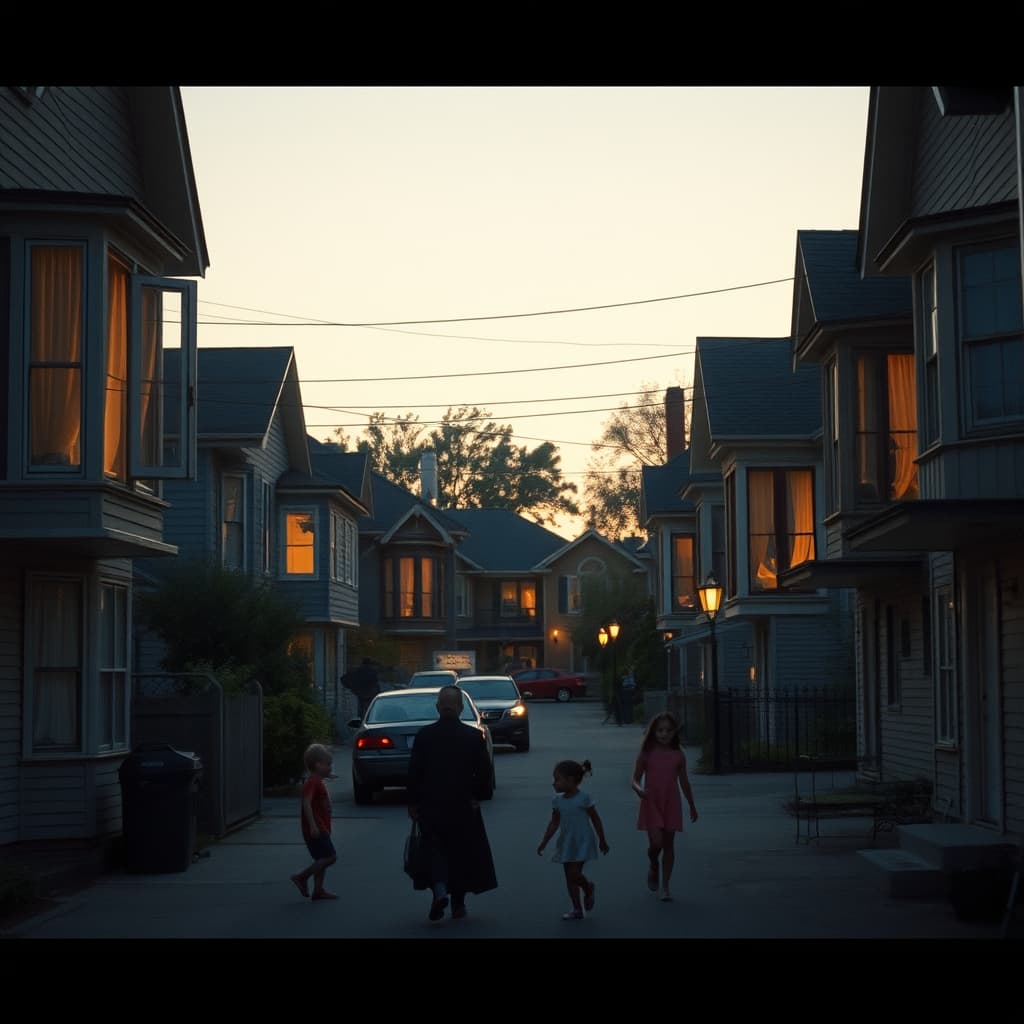
There was a time when a sense of security was built not through grand declarations, but through the small and repeated sounds of ordinary life. The sound of a radio drifting from behind an open window was one of the most familiar among them. On a summer afternoon or an autumn evening, anyone passing through the street could roughly tell what kind of program was playing in which home. In one place there was the slightly crackling voice of the news, in another an old classical song, and a little farther away the recognizable jingle of a children's program. These sounds bound the neighborhood together in an invisible way, making it clear that homes were not only walls. There was life inside, and through the radio that life gently spilled into the street.
Within neighborhood culture, the radio was one of the softest bridges between home and street. Before television ruled every household, radio was the common source of news, music, drama, sports commentary, and the daily rhythm itself. Leaving the window open made that common world even more visible. While people inside continued their own routines, the broadcast reached children in the street, a neighbor stopping by the grocer, or an elder taking a stool outside in the evening cool. In that way, the sound of one house mixed with another, and the whole area behaved like a large organism shaped by many domestic rhythms at once. A sense of safety grew precisely there, because hearing life continue around you is itself reassuring.
One reason the sound nourished a generation lies in its regularity and familiarity. Announcements at similar hours every day, weather bulletins, repeated music programs, or the evening news all helped children learn the rhythm of time. A child returning from school could hear a certain melody through an open window and know that the mother was in the kitchen, or guess how long remained before the father came home from work. Older residents felt less alone in a neighborhood where radios never entirely fell silent. Women doing housework or preparing dinner drew strength from the continuity of the broadcast. This continuity was not a loud domination of technology, but a background trust quietly arranging the flow of life.
The radio behind the open window also created a gentle form of mutual awareness in the neighborhood. No one watched one another directly, yet the presence of sound kept everyone informed of everyone else's existence. If a window stayed closed for several days, people noticed. If the usual program did not come on at its ordinary time, an absence was felt. The way street movement slowed after the evening news, or the way more people emerged onto balconies during a music show, meant that neighborhood time itself moved in step with the radio. For children, this was the feeling that the world was in its proper place. For adults, it was a small but important sign that the familiar order of life remained intact.
From today's distance, it becomes easier to understand why those hours felt secure. The radio did not carry content alone. It carried continuity, neighborliness, and proof that homes were alive. The open window let the sound move outward while also drawing the air of the neighborhood inward. A two-way circulation of trust formed between indoors and outdoors. The contemporary world may be more fragmented and private in its sounds, yet the old radio behind the open window offered a generation not only programs, but belonging. That is why the faint sound of a distant radio can still awaken, in many people, a calm they find difficult to explain.
How Did the Hours Passed with the Radio Sound Coming from Behind an Open Window Nourish a Generation's Sense of Security?