 Eski Pano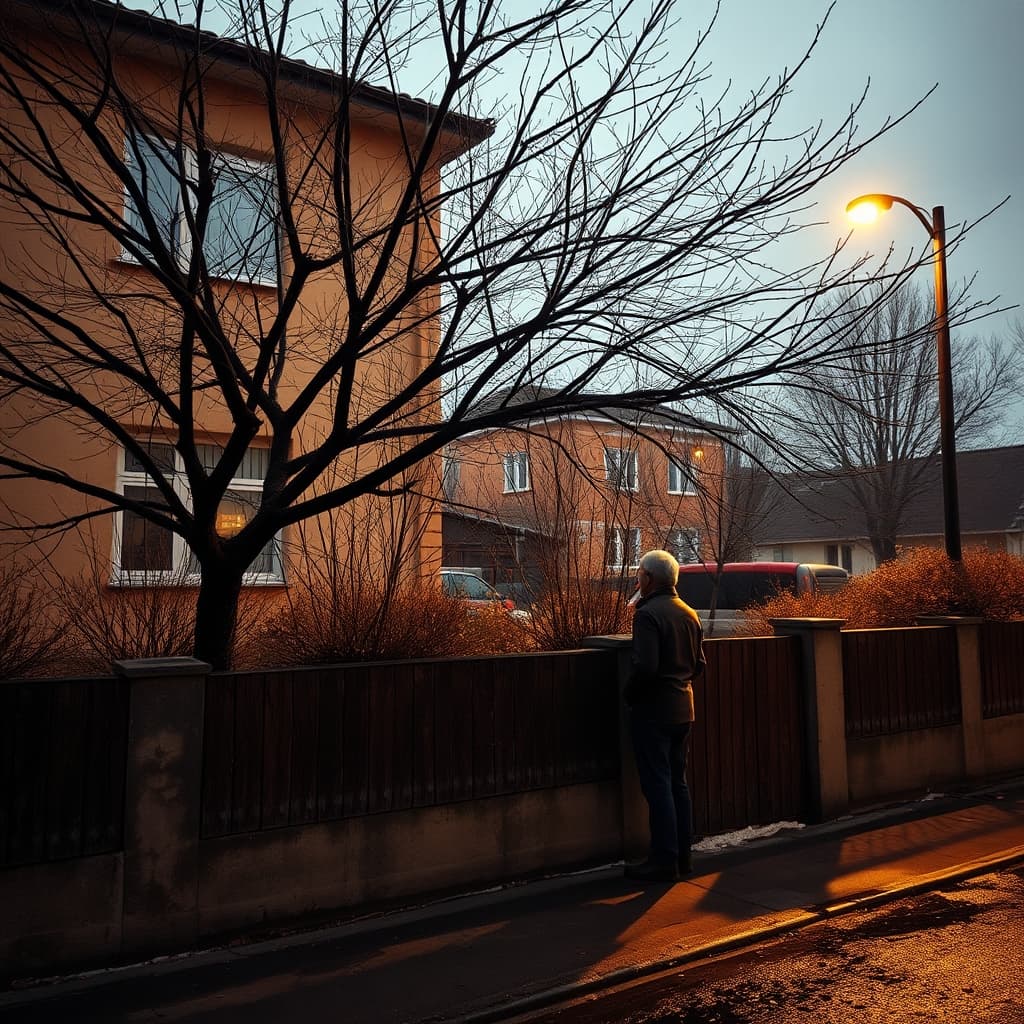
In winter, the plum branches over a garden wall offered a shape rather than a harvest. Their bare lines could remain recognisable above a familiar stretch of pavement after leaves and fruit were gone. A neighbourhood memory may place summer tasting and winter passing in the same scene, but those seasons should not be collapsed. The tree mattered partly because it changed while the wall and the route remained familiar.
The garden was private space with a visible edge. Branches extended into the street’s field of view, making one household’s tree part of many people’s daily route. A child recognised the corner by it; a neighbour noticed a broken limb; someone returning after dark saw its outline against a lamp. These are plausible kinds of observation, not claims about one invented owner or a universally friendly street.
Winter Revealed the Structure
Without foliage, branching, pruning and the relation to the wall became easier to see. Wind moved the finer twigs; rain darkened bark and masonry. Such details can anchor a winter memory without supplying fruit that belongs to another season. If an oral account mentions both cold nights and eating plums, ask whether it combines several visits rather than correcting the speaker into a false single event.
A tree’s exact seasonal behaviour depends on variety, climate and place. The archive should not infer a botanical calendar from the publication date or a poetic phrase. A photograph may show leaves, blossom or fruit; record what is visible and identify the tree cautiously when evidence is incomplete. An approximate recollection of “the plum tree” can be preserved as testimony.
An Overhanging Branch Was Not an Invitation
Visibility did not erase ownership or permission. During the fruiting season, one neighbour might offer fruit while another preferred that children ask before reaching. Customs differed and could produce both affection and conflict. An honest neighbourhood account does not treat taking fruit as harmless by definition or replace consent with a nostalgic assumption that everything was shared.
The same boundary mattered in winter for fallen twigs, access to the garden and concern about a damaged branch. Residents might speak across the wall or send a message, but their responsibilities and formal rights varied by place. This is a cultural description, not legal guidance. The meaningful point is that a shared view still required negotiation between people.
Remembering the Tree Includes Maintenance
Pruning, clearing, watering and repairing the wall were work, often performed out of sight of passers-by. A picturesque branch could hide the cost of keeping the garden. Ask who maintained it and how the tree affected the pavement, roof or neighbouring space. Do not turn the owner into a generous character solely because other people enjoyed the shade or remembered the fruit.
Children’s stories may centre on anticipation: waiting for blossom, watching small fruit appear or recognising the return of leaves. Winter supplied the interval when the familiar landmark seemed still. Adults might remember storm damage or the tree’s removal instead. Several accounts can preserve these different clocks without ranking one as the true emotional meaning.
Photographs of the wall need privacy care. House numbers, windows and current children’s routes may identify a household more precisely than intended. Seek permission where appropriate and use broad location metadata for public display. If the tree no longer exists, compare historic views without pretending a newly planted replacement is the same object.
The warmth associated with the winter branches came from recognition and relationships, not from winter fruit. A Digital Nostalgia Archive can keep the seasonal distinction clear while preserving the wall as a meeting edge: private care visible from a public route, memories shared across years and permissions that still mattered beneath a branch everyone could see.